
Santander’s Rejection of NatWest Bid Signals Strategic Shift in Banking’s New World Order
The banking sector is rarely static, but the recent rejection of NatWest Group’s £11 billion bid for Banco Santander’s UK retail division has sent ripples through global markets. This decision underscores a pivotal moment in banking strategy, where regional dominance and geographic diversification are clashing with aggressive consolidation plays.
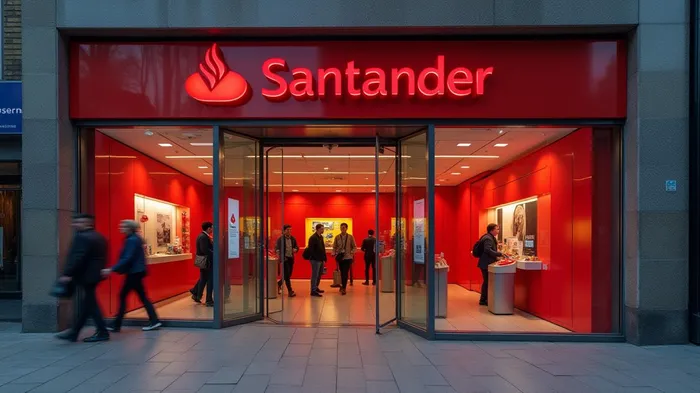
A Rejected Bid, a Strategic Stand
Santander’s refusal to sell its UK division—a core component of its globally diversified business model—marks a clear rejection of short-term gains for long-term stability. The Spanish banking giant views its UK operations as non-negotiable, part of a 10-market strategy that includes Spain, Mexico, and Brazil. NatWest’s bid, while substantial, was deemed an undervaluation by Santander’s leadership, which insists the unit’s worth exceeds £12 billion.
The rejection is not isolated. In 2024, Santander also rebuffed Barclays’ “lowball” offer for the same division, signaling a consistent stance against selling at perceived discounts. This determination aligns with Santander’s broader pivot: a strategic reallocation of capital from Europe toward the Americas. A recent €7 billion stake sale in its Polish unit underscores this shift, with proceeds earmarked for expansion in Brazil, Mexico, and the U.S.
Why Santander Won’t Bend
- Core Asset, Core Value: Santander’s UK division is a cash cow. Despite the UK’s economic challenges, the unit has delivered consistent returns, contributing to Santander’s 2024 net profit of €4.5 billion. Executives argue that selling it would undermine the bank’s “proven, sustainable” diversification strategy.
- Geographic Realignment: The €7 billion from Poland’s sale isn’t just capital—it’s a vote of confidence in emerging markets. Santander’s CEO has openly stated that Latin America offers higher growth potential than Europe’s stagnant economies.
- Regulatory and Operational Resilience: Santander’s plans to close 95 UK branches and settle a £300 million motor finance scandal reflect a focus on streamlining costs while retaining market share. The UK remains a key battleground against rivals like Lloyds and Barclays.
NatWest’s Ambitions, Unmet
NatWest, a state-backed UK lender, saw the bid as a chance to consolidate domestic dominance. CEO Paul Thwaite has positioned the bank as an acquisitive force post-privatization—once the UK government sells its remaining 7% stake, expected by summer 2025. The rejected bid, advised by Morgan Stanley and UBS, would have been the largest UK banking deal since the 2008 crisis.
Market Reactions and Future Moves
- Stock Performance: Santander’s shares rose 1.5% in Madrid following the rejection, while NatWest’s climbed 1.2% in London. Investors appear to reward both banks’ clarity: Santander’s valuation rigor and NatWest’s post-privatization ambition.
- Valuation Disparity: The bid’s failure highlights a widening gap between sellers’ and buyers’ priorities. Santander’s internal valuation of its UK unit exceeds NatWest’s offer by at least £2 billion, suggesting future bids must surpass £12 billion to gain traction.
- Strategic Redirect: NatWest may pivot to smaller UK acquisitions or organic growth. Meanwhile, Santander’s pivot to the Americas is already bearing fruit: its Brazilian division reported a 15% profit surge in Q1 2025.
The Broader Banking Landscape
This clash of strategies reflects a sector in flux:
- Regional Dominance vs. Diversification: UK banks like NatWest prioritize local scale, while global players like Santander bet on geographic spread to weather volatility.
- Valuation Realities: The bid’s rejection signals that banks’ core operations command premiums, complicating M&A in a low-growth environment.
- Capital Allocation Trends: Santander’s use of Poland’s proceeds to fund Americas expansion sets a precedent for banks to favor high-growth regions over European divestments.
Conclusion: A New Playbook for Banking Giants
Santander’s rejection is more than a deal gone wrong—it’s a blueprint for the banking sector’s future. By retaining its UK operations and reinvesting in the Americas, Santander has signaled its intent to prioritize long-term resilience over short-term gains. NatWest, meanwhile, faces a reality check: consolidation must align with seller valuations or risk becoming a buyer’s graveyard.
The numbers tell the story:
- Santander’s 2024 net profit of €4.5 billion hinges on its diversified model.
- The €7 billion raised from Poland funds its Americas pivot, a region now accounting for 40% of its 2025 investment budget.
- NatWest’s post-rejection stock climb (up 1.2%) suggests investors trust its post-privatization strategy, but its next bid will need to clear a £12 billion hurdle—a tall order in a cost-conscious market.
For investors, the lesson is clear: in banking’s new world order, the banks that thrive are those that marry geographic diversification with disciplined valuation. Santander has just staked its claim at the table.





Comentarios
Aún no hay comentarios