
US Sanctions Strand Iran, Russia Oil on Tankers, Driving Up Crude Costs
Generado por agente de IACyrus Cole
miércoles, 12 de febrero de 2025, 7:05 am ET2 min de lectura
US sanctions on Iran and Russia have significantly impacted the availability and pricing of crude oil in global markets. The sanctions, imposed in response to geopolitical tensions and human rights concerns, have reduced the export capacity of both countries, leading to a tightening of global oil supply and increased crude prices. This article explores the strategic implications of these sanctions and their impact on the geopolitical dynamics between the US, Iran, and Russia.
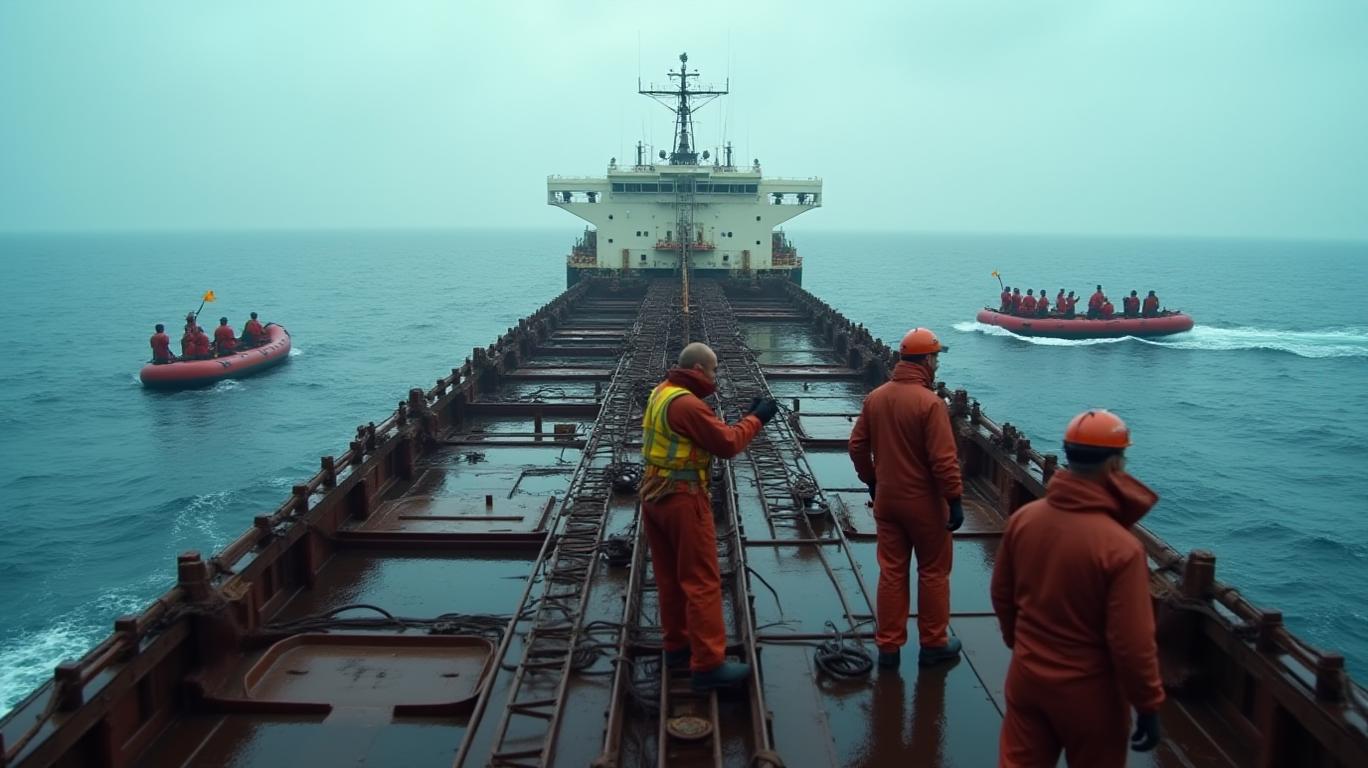
The US sanctions on Iran, reimposed in 2018, have significantly reduced Iran's oil exports. In 2018, Iran's crude oil exports fell by around 1.5 million barrels per day (mbpd) compared to the previous year. The reduction in supply from Iran, a major oil exporter, has contributed to global oil price volatility. For instance, in 2019, Brent crude oil prices rose by around 20% in the first half of the year, partly due to supply disruptions, including those caused by US sanctions on Iran.
The US sanctions on Russia, imposed in response to the annexation of Crimea and other issues, have also affected Russia's oil exports. In 2014, Russia's oil exports to the EU fell by around 10% compared to the previous year. The reduction in Russian oil exports, coupled with geopolitical tensions, has contributed to oil price volatility. For example, in 2014, Brent crude oil prices fell by around 40% in the second half of the year, partly due to a combination of factors, including reduced Russian exports and increased US oil production.
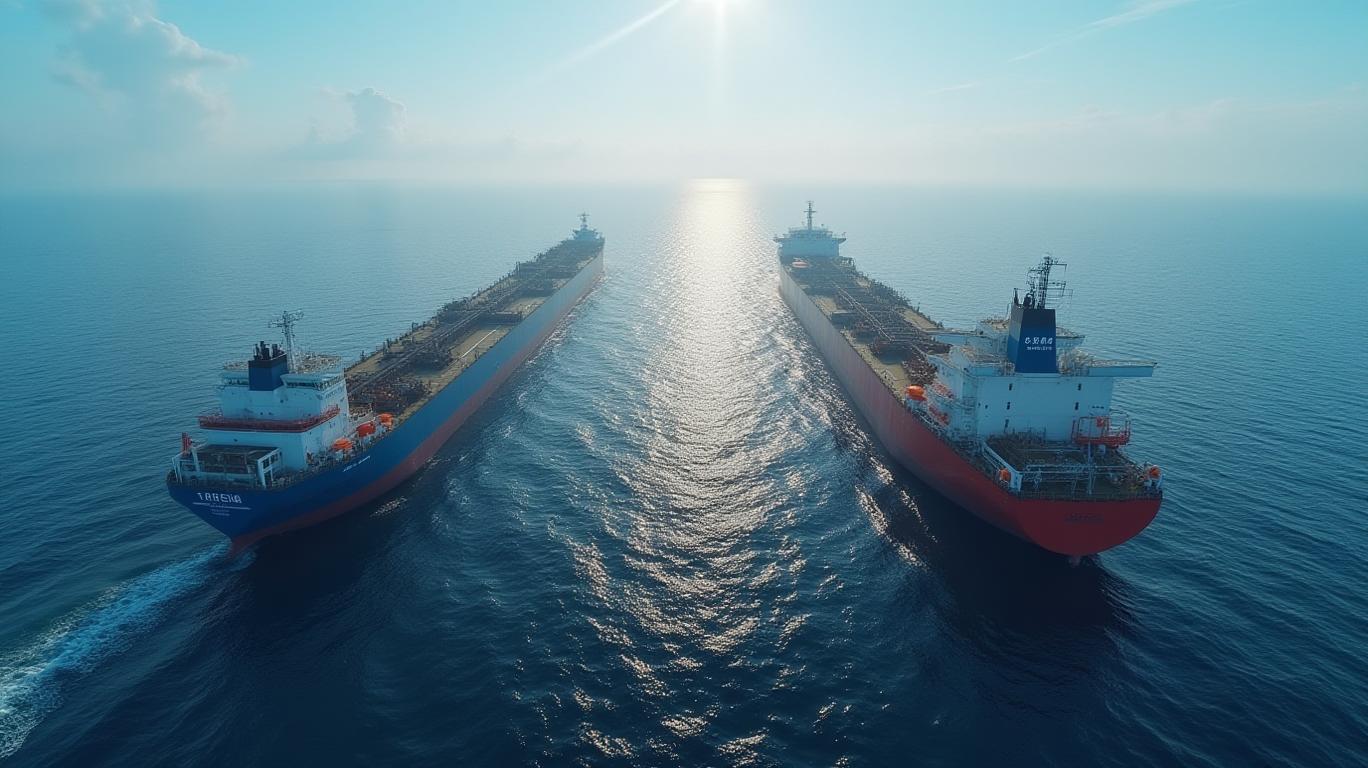
The sanctions have led to a shift in Iran's and Russia's oil exports, with China and India becoming major buyers. This diversification has helped both countries maintain some of their oil revenues despite the sanctions. However, the impact on prices has been mitigated by market adaptations, such as shifts in export destinations and increased production from other countries.
The strategic implications of these sanctions can be analyzed through the following aspects:
1. Impact on Russia's energy exports and revenue:
* The sanctions could reduce Russia's oil exports by 0.5 to 1 million barrels per day (bpd) in the short term, leading to a significant loss in revenue.
* Russia may struggle to maintain export volumes, as it will face difficulties in using non-sanctioned vessels to ship its oil, particularly to China and India.
* Russia's profit per barrel may decrease due to wider discounts on oil sales and higher transaction costs.
2. Geopolitical implications for the US and its allies:
* The sanctions strengthen the US's position in the global energy market and demonstrate its commitment to supporting Ukraine and containing Russia.
* The sanctions may also have unintended consequences, such as pushing Russia closer to China and Iran, which could lead to increased cooperation in the energy sector and other areas.
3. Potential evolution of geopolitical dynamics:
* If the incoming Trump administration maintains the pressure, Russia's oil export volumes may recover much of their losses by Q2, and discounts will gradually stabilize.
* Russia may seek to diversify its energy exports and strengthen ties with countries like China and Iran, which are not participating in the sanctions.
* Iran, which also relies on shadow fleet tankers, may face increased competition from Russia in the global oil market, potentially leading to further cooperation or tension between the two countries.
In conclusion, the sanctions on Iran and Russia have significantly impacted the availability and pricing of crude oil in global markets. While the sanctions aim to limit Russia's ability to fund its war in Ukraine and maintain global energy market stability, they may also push Russia closer to China and Iran, potentially reshaping the geopolitical landscape in the region. The future evolution of these dynamics will depend on the response of the incoming Trump administration and the actions taken by Russia, Iran, and other key players in the global energy market.



Divulgación editorial y transparencia de la IA: Ainvest News utiliza tecnología avanzada de Modelos de Lenguaje Largo (LLM) para sintetizar y analizar datos de mercado en tiempo real. Para garantizar los más altos estándares de integridad, cada artículo se somete a un riguroso proceso de verificación con participación humana.
Mientras la IA asiste en el procesamiento de datos y la redacción inicial, un miembro editorial profesional de Ainvest revisa, verifica y aprueba de forma independiente todo el contenido para garantizar su precisión y cumplimiento con los estándares editoriales de Ainvest Fintech Inc. Esta supervisión humana está diseñada para mitigar las alucinaciones de la IA y garantizar el contexto financiero.
Advertencia sobre inversiones: Este contenido se proporciona únicamente con fines informativos y no constituye asesoramiento profesional de inversión, legal o financiero. Los mercados conllevan riesgos inherentes. Se recomienda a los usuarios que realicen una investigación independiente o consulten a un asesor financiero certificado antes de tomar cualquier decisión. Ainvest Fintech Inc. se exime de toda responsabilidad por las acciones tomadas con base en esta información. ¿Encontró un error? Reportar un problema


SOBRE NOSOTROS
Nuestra historiaAutores de noticiasBase de conocimientosPolítica de privacidadTérmino de usoDescargo de responsabilidad de corretaje de tercerosTérminos de uso de AIMEDivulgaciones de riesgos de AInvest AICarrerasCONTÁCTENOS
Email: support@ainvest.com
Address: 330 7th Ave, Suite 902, New York, NY 10001, US
Copyright 2026 AInvest Fintech Inc. All rights reserved.


Comentarios
Aún no hay comentarios