
U.S. Sanctions on Russia: A Sea Change for Oil Freight Rates
Generado por agente de IACyrus Cole
jueves, 16 de enero de 2025, 9:45 am ET1 min de lectura
ATLN--
The U.S. Treasury Department's recent sanctions on Russia's oil industry have sent shockwaves through global energy markets, with significant implications for oil freight rates. The sanctions, announced on January 10, 2025, target key Russian oil producers like Gazprom Neft and Surgutneftegas, along with 183 vessels, including many oil tankers part of the "shadow fleet." These measures aim to deplete Russia's energy revenues and disrupt its war efforts in Ukraine.
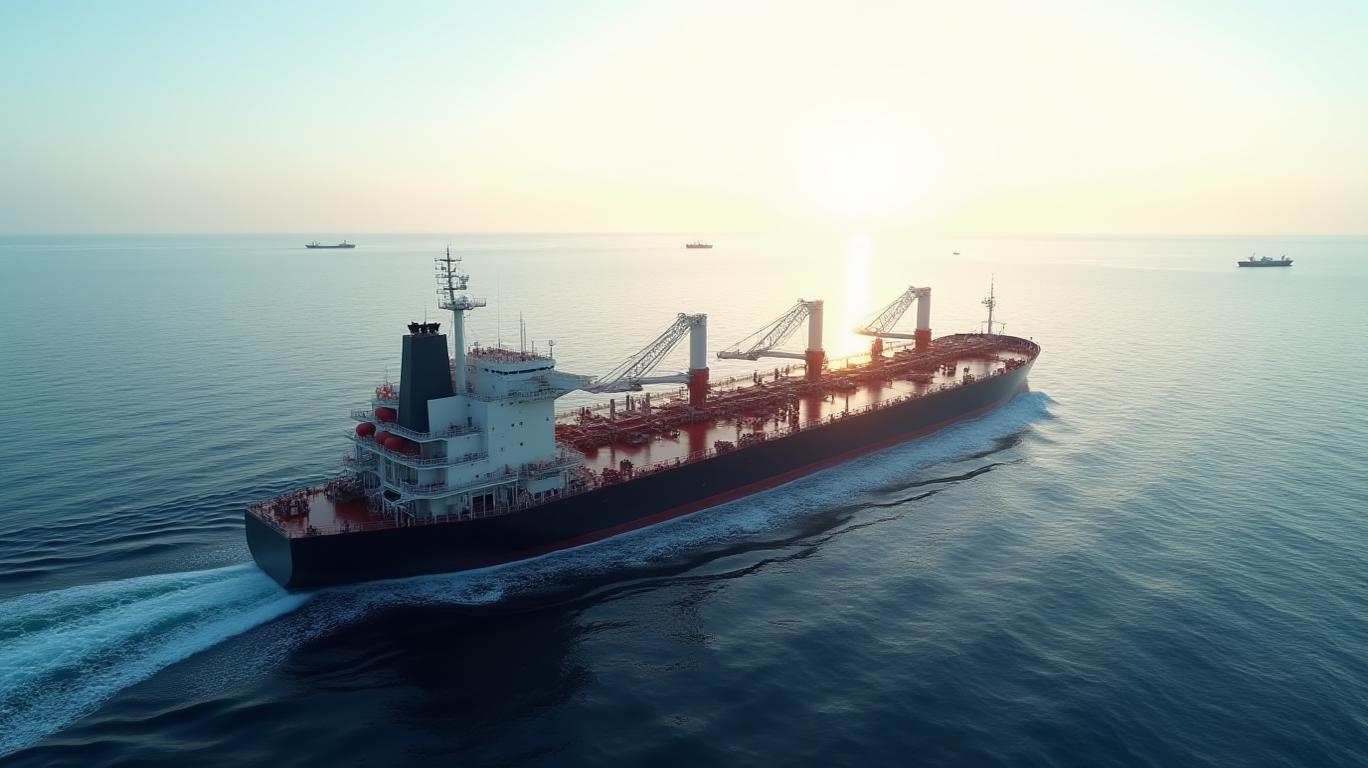
The sanctions have led to a surge in oil-linked shipping costs, as the volume of traded Forward Freight Agreement (FFA) contracts has jumped significantly following the announcement. Rates for supertankers crossing from the Middle East Gulf to Asia-Pacific have picked up by more than 40% between January 9 and January 14, 2025 (Argus Media, 2025). This increase in freight rates is a result of the reduced availability of vessels due to the sanctions, which could significantly disrupt Russian oil supply and distribution chains (IEA, 2025).
The sanctions are expected to have a more profound impact on global oil markets and energy trade patterns in the long term. The reduction in Russian oil exports, particularly through the elimination of shipping insurance and the designation of key handling companies in consumer markets, will likely lead to a rebalancing of global oil flows (IEA, 2025). Middle Eastern and Atlantic Basin grades are likely to dominate, further reshaping the dynamics of global energy trade.
Moreover, the sanctions may prompt Russia to shift its fossil-energy export focus to China and other Asian countries, potentially mitigating the impact of sanctions on its energy revenues (Study on the Impact of Sanctions on Global Fossil Energy Trade, 2022). However, this shift may also lead to increased competition for energy resources in the Asian market, potentially driving up prices and freight rates in the long term.
In conclusion, the U.S. sanctions on Russia's oil industry have significant implications for oil freight rates, both in the short and long term. In the short term, there has been a surge in oil-linked shipping costs due to reduced vessel availability. In the long term, the sanctions are likely to lead to a rebalancing of global oil flows, increased competition for energy resources, and potentially higher prices and freight rates. These changes will reshape the global oil market and energy trade patterns, with significant geopolitical implications for Russia and other energy-producing nations.
EEFT--
FOSL--
The U.S. Treasury Department's recent sanctions on Russia's oil industry have sent shockwaves through global energy markets, with significant implications for oil freight rates. The sanctions, announced on January 10, 2025, target key Russian oil producers like Gazprom Neft and Surgutneftegas, along with 183 vessels, including many oil tankers part of the "shadow fleet." These measures aim to deplete Russia's energy revenues and disrupt its war efforts in Ukraine.
The sanctions have led to a surge in oil-linked shipping costs, as the volume of traded Forward Freight Agreement (FFA) contracts has jumped significantly following the announcement. Rates for supertankers crossing from the Middle East Gulf to Asia-Pacific have picked up by more than 40% between January 9 and January 14, 2025 (Argus Media, 2025). This increase in freight rates is a result of the reduced availability of vessels due to the sanctions, which could significantly disrupt Russian oil supply and distribution chains (IEA, 2025).
The sanctions are expected to have a more profound impact on global oil markets and energy trade patterns in the long term. The reduction in Russian oil exports, particularly through the elimination of shipping insurance and the designation of key handling companies in consumer markets, will likely lead to a rebalancing of global oil flows (IEA, 2025). Middle Eastern and Atlantic Basin grades are likely to dominate, further reshaping the dynamics of global energy trade.
Moreover, the sanctions may prompt Russia to shift its fossil-energy export focus to China and other Asian countries, potentially mitigating the impact of sanctions on its energy revenues (Study on the Impact of Sanctions on Global Fossil Energy Trade, 2022). However, this shift may also lead to increased competition for energy resources in the Asian market, potentially driving up prices and freight rates in the long term.
In conclusion, the U.S. sanctions on Russia's oil industry have significant implications for oil freight rates, both in the short and long term. In the short term, there has been a surge in oil-linked shipping costs due to reduced vessel availability. In the long term, the sanctions are likely to lead to a rebalancing of global oil flows, increased competition for energy resources, and potentially higher prices and freight rates. These changes will reshape the global oil market and energy trade patterns, with significant geopolitical implications for Russia and other energy-producing nations.

Divulgación editorial y transparencia de la IA: Ainvest News utiliza tecnología avanzada de Modelos de Lenguaje Largo (LLM) para sintetizar y analizar datos de mercado en tiempo real. Para garantizar los más altos estándares de integridad, cada artículo se somete a un riguroso proceso de verificación con participación humana.
Mientras la IA asiste en el procesamiento de datos y la redacción inicial, un miembro editorial profesional de Ainvest revisa, verifica y aprueba de forma independiente todo el contenido para garantizar su precisión y cumplimiento con los estándares editoriales de Ainvest Fintech Inc. Esta supervisión humana está diseñada para mitigar las alucinaciones de la IA y garantizar el contexto financiero.
Advertencia sobre inversiones: Este contenido se proporciona únicamente con fines informativos y no constituye asesoramiento profesional de inversión, legal o financiero. Los mercados conllevan riesgos inherentes. Se recomienda a los usuarios que realicen una investigación independiente o consulten a un asesor financiero certificado antes de tomar cualquier decisión. Ainvest Fintech Inc. se exime de toda responsabilidad por las acciones tomadas con base en esta información. ¿Encontró un error? Reportar un problema


SOBRE NOSOTROS
Nuestra historiaAutores de noticiasBase de conocimientosPolítica de privacidadTérmino de usoDescargo de responsabilidad de corretaje de tercerosTérminos de uso de AIMEDivulgaciones de riesgos de AInvest AICarrerasCONTÁCTENOS
Email: support@ainvest.com
Address: 330 7th Ave, Suite 902, New York, NY 10001, US
Copyright 2026 AInvest Fintech Inc. All rights reserved.


Comentarios
Aún no hay comentarios