
US Sanctions on Russia Disrupt Global Oil Trade: A Deep Dive
Generado por agente de IACyrus Cole
viernes, 14 de febrero de 2025, 3:48 am ET2 min de lectura
ATLN--
The latest U.S. sanctions on Russia's energy sector, announced on January 10, have thrown global oil trade into disarray. These sweeping measures target major Russian oil producers, shipping vessels, and maritime insurers, aiming to curb Moscow's revenue streams used to fund its conflict with Ukraine. The sanctions have significant implications for global oil supply, demand, and pricing dynamics.
Short-term impacts and price surges
In the short term, the sanctions are expected to reduce Russia's oil exports by 0.5 to 1 million barrels per day (bpd), leading to a tightening of global supply and increased prices. Brent crude prices surged past $81 per barrel following the announcement, highlighting the global market's sensitivity to supply chain disruptions. The prospect of declining supply from Russia and Iran, coupled with expected stricter sanctions enforcement from the incoming Trump administration, has led the International Energy Agency (IEA) to predict a global oil market surplus this year, with supply outpacing demand.
Strengthening alternative oil benchmarks and increased competition
The sanctions may lead to a strengthening of the Dubai benchmark and aggressive bidding for available cargoes, as Indian refiners explore alternatives to Russian oil. Spot prices for Middle Eastern, African, and Brazilian oil grades have already risen due to tightened Russian and Iranian supplies. Indian refiners, heavily reliant on Russian Urals oil, are now exploring alternatives such as U.S. and Middle Eastern crude. This shift in demand could further strengthen the Dubai benchmark and intensify competition for available cargoes in global oil markets.
Increased freight costs and transaction costs
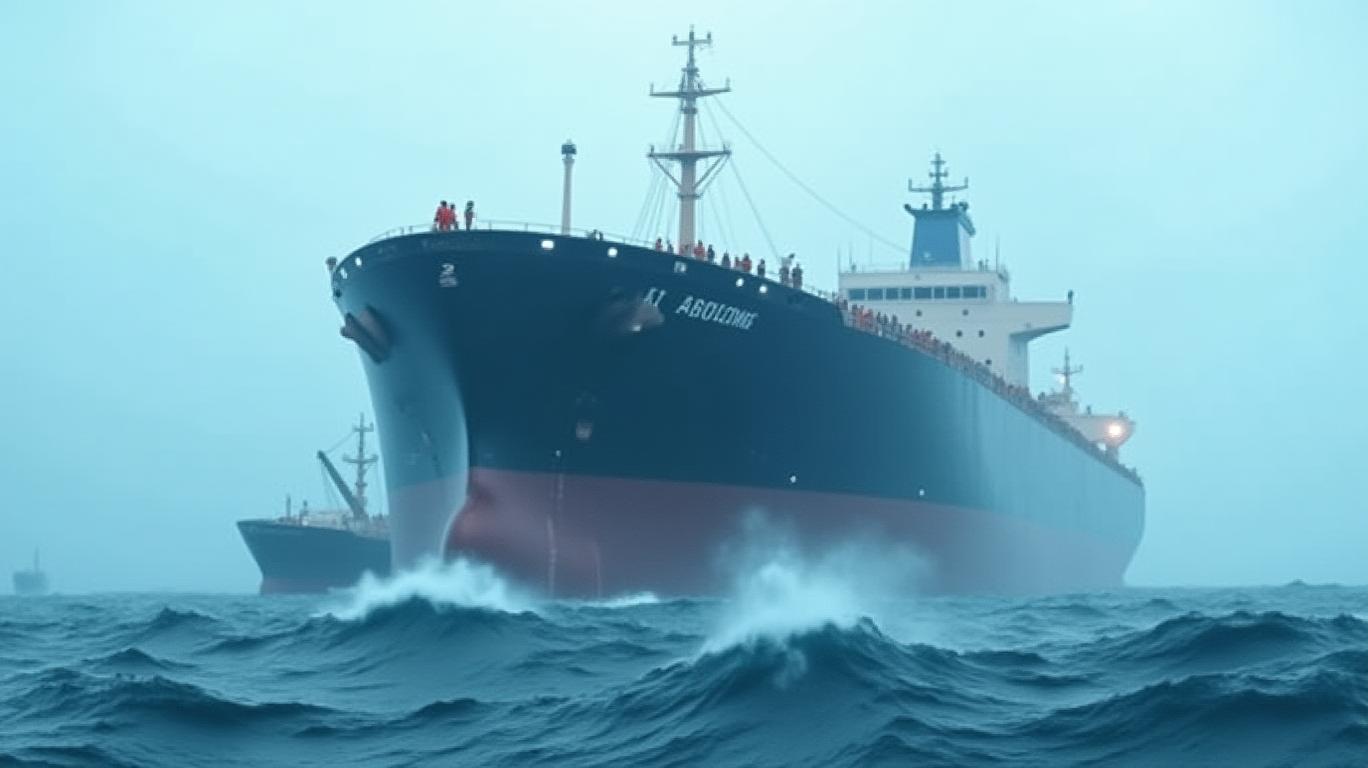
The sanctions target Russia's "shadow fleet" of tankers, which could lead to increased freight costs as the available fleet shrinks. Russia may be forced to use Greek-owned shipping firms or mobilize alternative shadow fleet tankers, resulting in higher transaction costs and wider discounts on Russian oil sales. Freight costs are expected to soar as the available fleet shrinks, further impacting global oil trade dynamics.
Rebalancing of global oil flows and geopolitical implications
With the sanctions in place, experts predict a significant rebalancing of global oil flows. Middle Eastern and Atlantic Basin grades are likely to dominate, further reshaping the dynamics of global energy trade. The sanctions may also have geopolitical implications, as Russia may seek to strengthen its ties with other countries, such as China and Iran, to circumvent the sanctions and maintain its oil exports. This could lead to new alliances and increased competition in the global oil market.

In conclusion, the latest U.S. sanctions on Russia's energy sector have significant implications for global oil supply, demand, and pricing dynamics. The short-term impacts include reduced Russian oil exports, increased prices, and strengthened alternative oil benchmarks. Long-term implications include increased competition for available cargoes, rebalancing of global oil flows, and potential geopolitical shifts. As the global oil market navigates these disruptions, investors and consumers worldwide should closely monitor the evolving situation and its potential impacts on energy markets and prices.
The latest U.S. sanctions on Russia's energy sector, announced on January 10, have thrown global oil trade into disarray. These sweeping measures target major Russian oil producers, shipping vessels, and maritime insurers, aiming to curb Moscow's revenue streams used to fund its conflict with Ukraine. The sanctions have significant implications for global oil supply, demand, and pricing dynamics.
Short-term impacts and price surges
In the short term, the sanctions are expected to reduce Russia's oil exports by 0.5 to 1 million barrels per day (bpd), leading to a tightening of global supply and increased prices. Brent crude prices surged past $81 per barrel following the announcement, highlighting the global market's sensitivity to supply chain disruptions. The prospect of declining supply from Russia and Iran, coupled with expected stricter sanctions enforcement from the incoming Trump administration, has led the International Energy Agency (IEA) to predict a global oil market surplus this year, with supply outpacing demand.
Strengthening alternative oil benchmarks and increased competition
The sanctions may lead to a strengthening of the Dubai benchmark and aggressive bidding for available cargoes, as Indian refiners explore alternatives to Russian oil. Spot prices for Middle Eastern, African, and Brazilian oil grades have already risen due to tightened Russian and Iranian supplies. Indian refiners, heavily reliant on Russian Urals oil, are now exploring alternatives such as U.S. and Middle Eastern crude. This shift in demand could further strengthen the Dubai benchmark and intensify competition for available cargoes in global oil markets.
Increased freight costs and transaction costs
The sanctions target Russia's "shadow fleet" of tankers, which could lead to increased freight costs as the available fleet shrinks. Russia may be forced to use Greek-owned shipping firms or mobilize alternative shadow fleet tankers, resulting in higher transaction costs and wider discounts on Russian oil sales. Freight costs are expected to soar as the available fleet shrinks, further impacting global oil trade dynamics.
Rebalancing of global oil flows and geopolitical implications
With the sanctions in place, experts predict a significant rebalancing of global oil flows. Middle Eastern and Atlantic Basin grades are likely to dominate, further reshaping the dynamics of global energy trade. The sanctions may also have geopolitical implications, as Russia may seek to strengthen its ties with other countries, such as China and Iran, to circumvent the sanctions and maintain its oil exports. This could lead to new alliances and increased competition in the global oil market.
In conclusion, the latest U.S. sanctions on Russia's energy sector have significant implications for global oil supply, demand, and pricing dynamics. The short-term impacts include reduced Russian oil exports, increased prices, and strengthened alternative oil benchmarks. Long-term implications include increased competition for available cargoes, rebalancing of global oil flows, and potential geopolitical shifts. As the global oil market navigates these disruptions, investors and consumers worldwide should closely monitor the evolving situation and its potential impacts on energy markets and prices.

Divulgación editorial y transparencia de la IA: Ainvest News utiliza tecnología avanzada de Modelos de Lenguaje Largo (LLM) para sintetizar y analizar datos de mercado en tiempo real. Para garantizar los más altos estándares de integridad, cada artículo se somete a un riguroso proceso de verificación con participación humana.
Mientras la IA asiste en el procesamiento de datos y la redacción inicial, un miembro editorial profesional de Ainvest revisa, verifica y aprueba de forma independiente todo el contenido para garantizar su precisión y cumplimiento con los estándares editoriales de Ainvest Fintech Inc. Esta supervisión humana está diseñada para mitigar las alucinaciones de la IA y garantizar el contexto financiero.
Advertencia sobre inversiones: Este contenido se proporciona únicamente con fines informativos y no constituye asesoramiento profesional de inversión, legal o financiero. Los mercados conllevan riesgos inherentes. Se recomienda a los usuarios que realicen una investigación independiente o consulten a un asesor financiero certificado antes de tomar cualquier decisión. Ainvest Fintech Inc. se exime de toda responsabilidad por las acciones tomadas con base en esta información. ¿Encontró un error? Reportar un problema


SOBRE NOSOTROS
Nuestra historiaAutores de noticiasBase de conocimientosPolítica de privacidadTérmino de usoDescargo de responsabilidad de corretaje de tercerosTérminos de uso de AIMEDivulgaciones de riesgos de AInvest AICarrerasCONTÁCTENOS
Email: support@ainvest.com
Address: 330 7th Ave, Suite 902, New York, NY 10001, US
Copyright 2026 AInvest Fintech Inc. All rights reserved.


Comentarios
Aún no hay comentarios