
Samsung SDI's Strategic Expansion in Cylindrical EV Batteries: A Pathway to Dominance in the Next-Gen Market?
Samsung SDI, a global leader in battery innovation, has positioned itself at the forefront of the electric vehicle (EV) revolution through its aggressive R&D investments, cutting-edge cylindrical battery technology, and strategic partnerships. As the EV market accelerates toward next-generation solutions, the company's focus on cylindrical cells-particularly its 46-series format-has emerged as a critical differentiator. This article evaluates whether Samsung SDI's technological leadership and collaborative ecosystem can drive long-term outperformance in a fiercely competitive sector.
Technological Leadership: Pioneering Cylindrical Battery Innovation
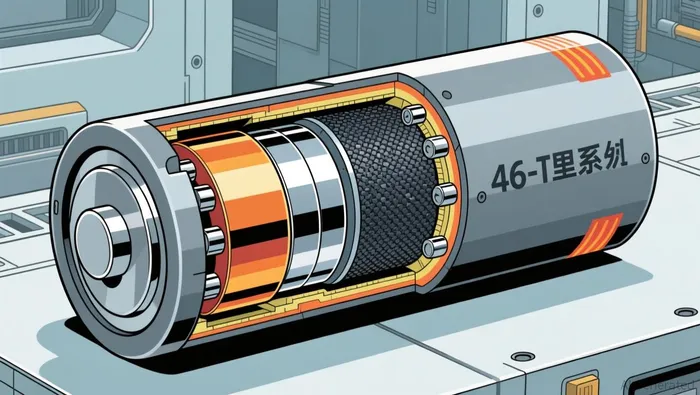
Samsung SDI's 46-series cylindrical cells represent a paradigm shift in EV battery design. These cells leverage high-nickel nickel-cobalt-aluminum (NCA) cathodes and proprietary silicon carbon nanocomposite anodes, which reduce swelling and extend battery life while maintaining high energy density. A key innovation is the tabless design, which minimizes internal resistance, enhances power output, and enables faster charging-a critical advantage for automakers targeting long-range EVs.
The company's commitment to safety and thermal management is further underscored by its recent patents. For instance, a 2025 patent application details a cylindrical battery with advanced insulation techniques to ensure stability in high-temperature environments. Another patent focuses on thermal runaway mitigation through optimized venting mechanisms and housing design. These innovations not only address industry pain points but also align with global regulatory demands for safer battery systems.
Samsung SDI's technological prowess has already yielded tangible results. The 21700 cylindrical batteries powering Lucid Air Grand Touring achieved a Guinness World Record for the longest single-charge distance (1,205 km), demonstrating the synergy between Samsung SDI's battery chemistry and Lucid's powertrain engineering. Such milestones reinforce the company's credibility in delivering high-performance solutions.
Strategic Partnerships: Building a Global Ecosystem
Samsung SDI's partnerships with key players in the EV and automotive sectors are pivotal to its growth strategy. In 2025, the company signed a memorandum of understanding with KG Mobility (KGM) to co-develop battery pack technologies based on its 46-series cylindrical cells. These cells are tailored for KGM's upcoming large SUVs and feature high-nickel NCA cathodes and tabless designs to optimize energy density and thermal efficiency. This collaboration not only diversifies Samsung SDI's customer base but also strengthens its foothold in the North American market, where KGM aims to reduce reliance on Chinese supply chains.
Equally transformative is Samsung SDI's alliance with BMW and Solid Power to advance all-solid-state battery (ASSB) technology. Solid Power's sulfide-based solid electrolyte is integrated into Samsung SDI's cells, which will be evaluated by BMW for use in demonstration vehicles. This partnership combines Samsung SDI's manufacturing expertise, Solid Power's material innovation, and BMW's automotive integration capabilities, accelerating the commercialization of ASSB-a technology projected to offer 40% higher energy density than current lithium-ion batteries. Analysts view this collaboration as a "significant momentum boost" in global next-gen battery development.
Financial Performance and Market Challenges
Despite its technological strengths, Samsung SDI faces headwinds in the near term. In 2025, the company's global EV battery market share fell to 4.6%, partly due to Rivian's shift to lithium iron phosphate (LFP) batteries and a slowdown in EV sales. Financially, the battery business reported operating losses in Q1–Q3 2025, attributed to U.S. tariffs on energy storage systems and inventory adjustments by major clients. However, these challenges are being offset by strategic investments.
Samsung SDI has suspended cash dividends for three years to fund a $1.38 billion capital increase, targeting expanded production in Malaysia and North America. The company also plans to launch mass production of all-solid-state batteries by 2027, a move expected to stabilize its market share as demand for high-energy-density solutions grows. Analysts highlight that Samsung SDI's focus on prismatic and LFP batteries, alongside cylindrical cells, positions it to capitalize on diverse market segments.
Analyst Perspectives and Future Outlook
Industry experts emphasize that Samsung SDI's partnerships and R&D pipeline are critical to its long-term competitiveness. The collaboration with BMW and Solid Power is seen as a "key step toward commercializing ASSB technology," with potential applications in EVs, robotics, and energy storage systems. Meanwhile, the KGM partnership underscores Samsung SDI's ability to adapt to regional supply chain dynamics, particularly in North America.
However, the company must navigate near-term volatility. A 2025 report notes that Korean battery makers' combined market share fell to 16.0%, reflecting intensified competition from Chinese and U.S. firms. Samsung SDI's success will hinge on its ability to scale production, reduce costs, and secure long-term contracts with automakers.
Conclusion: A Pathway to Dominance?
Samsung SDI's strategic expansion in cylindrical EV batteries is underpinned by a robust innovation pipeline, strategic alliances, and a clear vision for next-gen technologies. While short-term financial pressures persist, the company's investments in R&D, production capacity, and global partnerships-particularly in ASSB and 46-series cells-position it to outperform in the long run. As the EV market evolves toward higher energy density and safety standards, Samsung SDI's technological leadership and collaborative ecosystem could indeed cement its dominance in the next-gen battery landscape.







Comentarios
Aún no hay comentarios