
Samsung's Profit Growth Slows as Chip Challenges Mount
Generado por agente de IAClyde Morgan
jueves, 30 de enero de 2025, 7:31 pm ET2 min de lectura
NVDA--
Samsung Electronics, the world's largest memory chip and TV maker, reported a significant slowdown in quarterly earnings growth, with operating profit expected to be around KRW8.2 trillion ($5.7bn) for the fourth quarter of 2024. This decline comes amid ongoing challenges in the memory chip market and a downturn in its traditional chip and smartphone markets. The company's struggles highlight the growing divide in the industry, as demand for AI-related chips surges while traditional chip markets remain weak.
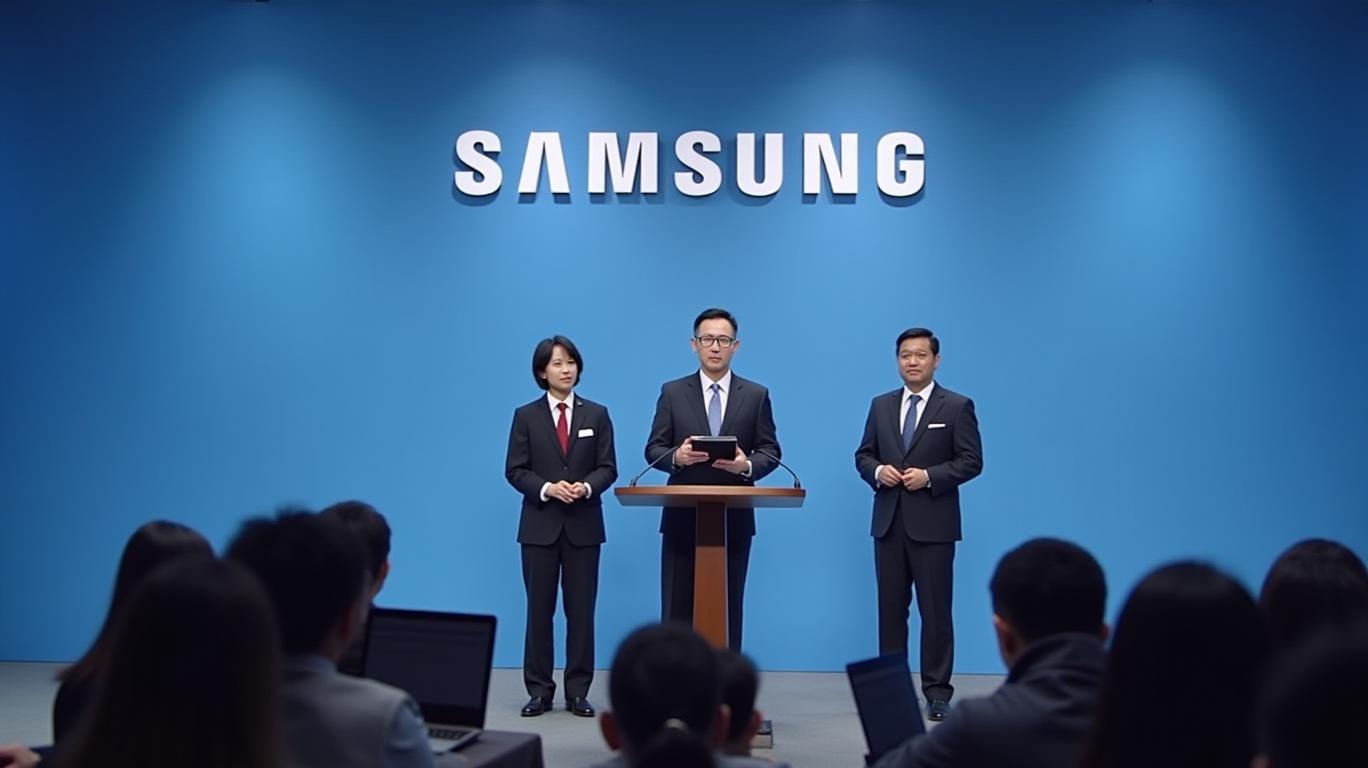
Samsung's preliminary earnings statement revealed a 96% plunge in quarterly operating profit to 600 billion won ($455.5 million) in January-March, compared to 14.12 trillion won a year earlier. The company attributed this sharp drop to a sharp decline in memory demand due to the macroeconomic situation and slowing customer purchasing sentiment, as many customers continue to adjust their inventories for financial purposes. Additionally, analysts estimated that the chip division sustained quarterly losses of more than 4 trillion won ($3.03 billion) in the first quarter of 2025, which would be the chip business' first quarterly loss since the first quarter of 2009.
Samsung's System LSI Business has also experienced weak earnings due to delayed entry into the flagship system-on-a-chip (SoC) market. This has resulted in a decline in earnings for the quarter, despite increased demand for core products such as image sensors and DDI. Furthermore, the semiconductor market has grown increasingly competitive, with Chinese manufacturers ramping up production and driving down prices for traditional memory chips. This has put pressure on Samsung's profitability, as seen in the 13% drop in DDR4 DRAM chip prices in the fourth quarter and the expected 15% drop in the current quarter.

Samsung's domestic rival SK Hynix is expected to report record earnings, thanks to its role as a major supplier of advanced AI memory chips to Nvidia. This highlights the growing divide in the industry, as demand for AI-related chips surges while traditional chip markets remain weak. To address its challenges, Samsung has taken strategic steps, such as reorganizing its leadership and investing in the expansion of its production capacity for advanced AI chips. These efforts aim to help Samsung better compete in the growing AI chip market and improve its overall performance.
In conclusion, Samsung's profit growth has slowed due to ongoing challenges in the memory chip market and a downturn in its traditional chip and smartphone markets. The company's struggles highlight the growing divide in the industry, as demand for AI-related chips surges while traditional chip markets remain weak. To regain market share, Samsung has implemented strategic measures such as reorganizing its leadership and investing in the expansion of its production capacity for advanced AI chips. These efforts aim to help Samsung better compete in the growing AI chip market and improve its overall performance.
Samsung Electronics, the world's largest memory chip and TV maker, reported a significant slowdown in quarterly earnings growth, with operating profit expected to be around KRW8.2 trillion ($5.7bn) for the fourth quarter of 2024. This decline comes amid ongoing challenges in the memory chip market and a downturn in its traditional chip and smartphone markets. The company's struggles highlight the growing divide in the industry, as demand for AI-related chips surges while traditional chip markets remain weak.
Samsung's preliminary earnings statement revealed a 96% plunge in quarterly operating profit to 600 billion won ($455.5 million) in January-March, compared to 14.12 trillion won a year earlier. The company attributed this sharp drop to a sharp decline in memory demand due to the macroeconomic situation and slowing customer purchasing sentiment, as many customers continue to adjust their inventories for financial purposes. Additionally, analysts estimated that the chip division sustained quarterly losses of more than 4 trillion won ($3.03 billion) in the first quarter of 2025, which would be the chip business' first quarterly loss since the first quarter of 2009.
Samsung's System LSI Business has also experienced weak earnings due to delayed entry into the flagship system-on-a-chip (SoC) market. This has resulted in a decline in earnings for the quarter, despite increased demand for core products such as image sensors and DDI. Furthermore, the semiconductor market has grown increasingly competitive, with Chinese manufacturers ramping up production and driving down prices for traditional memory chips. This has put pressure on Samsung's profitability, as seen in the 13% drop in DDR4 DRAM chip prices in the fourth quarter and the expected 15% drop in the current quarter.
Samsung's domestic rival SK Hynix is expected to report record earnings, thanks to its role as a major supplier of advanced AI memory chips to Nvidia. This highlights the growing divide in the industry, as demand for AI-related chips surges while traditional chip markets remain weak. To address its challenges, Samsung has taken strategic steps, such as reorganizing its leadership and investing in the expansion of its production capacity for advanced AI chips. These efforts aim to help Samsung better compete in the growing AI chip market and improve its overall performance.
In conclusion, Samsung's profit growth has slowed due to ongoing challenges in the memory chip market and a downturn in its traditional chip and smartphone markets. The company's struggles highlight the growing divide in the industry, as demand for AI-related chips surges while traditional chip markets remain weak. To regain market share, Samsung has implemented strategic measures such as reorganizing its leadership and investing in the expansion of its production capacity for advanced AI chips. These efforts aim to help Samsung better compete in the growing AI chip market and improve its overall performance.

Divulgación editorial y transparencia de la IA: Ainvest News utiliza tecnología avanzada de Modelos de Lenguaje Largo (LLM) para sintetizar y analizar datos de mercado en tiempo real. Para garantizar los más altos estándares de integridad, cada artículo se somete a un riguroso proceso de verificación con participación humana.
Mientras la IA asiste en el procesamiento de datos y la redacción inicial, un miembro editorial profesional de Ainvest revisa, verifica y aprueba de forma independiente todo el contenido para garantizar su precisión y cumplimiento con los estándares editoriales de Ainvest Fintech Inc. Esta supervisión humana está diseñada para mitigar las alucinaciones de la IA y garantizar el contexto financiero.
Advertencia sobre inversiones: Este contenido se proporciona únicamente con fines informativos y no constituye asesoramiento profesional de inversión, legal o financiero. Los mercados conllevan riesgos inherentes. Se recomienda a los usuarios que realicen una investigación independiente o consulten a un asesor financiero certificado antes de tomar cualquier decisión. Ainvest Fintech Inc. se exime de toda responsabilidad por las acciones tomadas con base en esta información. ¿Encontró un error? Reportar un problema




Comentarios
Aún no hay comentarios