
Samsung and Google Team Up to Challenge Meta and Apple in AR Glasses Race
Generado por agente de IACyrus Cole
miércoles, 22 de enero de 2025, 11:46 pm ET1 min de lectura
AAPL--
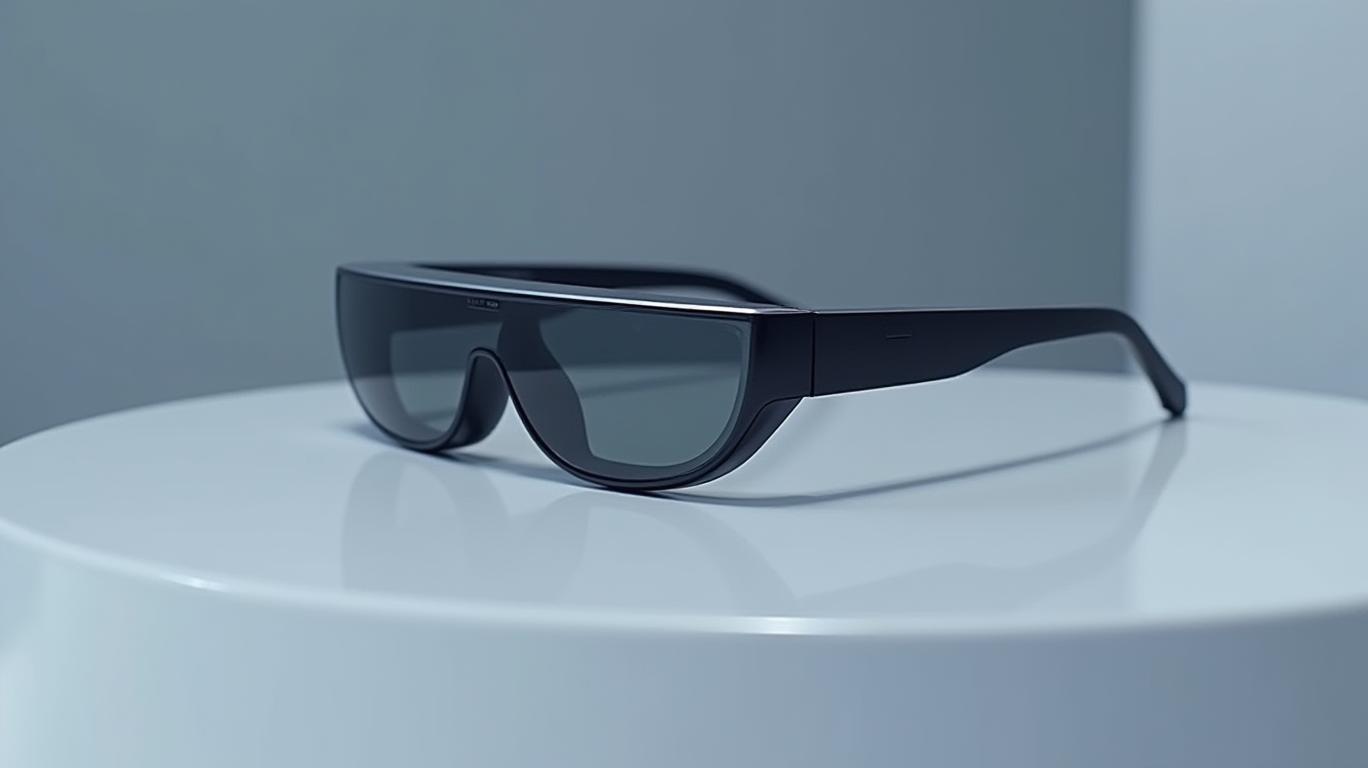
Samsung and Google have joined forces to develop augmented reality (AR) glasses, aiming to enter the competitive market alongside Meta and Apple. The collaboration, confirmed by Samsung's president of mobile experience, TM Roh, is expected to result in a pair of AR glasses that leverage the Android XR operating system. This partnership comes on the heels of Samsung's Project Moohan mixed-reality headset announcement, which is set to launch this year.
The AR glasses market is heating up, with major players like Meta and Apple working on their own products. Meta's Orion prototype glasses, for example, are expected to cost around $10,000 per pair to produce. However, Samsung and Google's collaboration could help them overcome production costs and form factor challenges by combining their expertise in hardware, software, and AI.
Samsung's entry into the AR glasses market is a logical next step for the company, following its success in the wearables market with products like the Galaxy Ring. The partnership with Google also extends beyond AR glasses, with Samsung integrating Google's Gemini AI across its Galaxy S25 smartphones. This integration includes multimodal AI and improvements to Gemini's usability across Samsung's ecosystem of devices.
However, developing AR wearables is no easy task. Production costs and form factor challenges have proven to be significant hurdles for companies like Meta, which has resorted to putting most of the device's processing components in an external "puck." Samsung and Google will need to address these challenges to create a lightweight, wearable, and affordable AR glasses product.
The timeline for Samsung and Google's AR glasses is still uncertain, with Roh stating that the companies will "try to reach the quality and readiness we want as soon as possible." Given the competition's roadmaps, Samsung and Google's AR glasses are expected to be released before 2027, when Meta plans to introduce its Artemis AR glasses. Apple, on the other hand, has been secretive about its AR ambitions, and Snap Inc. entered the AR space with its smart glasses in 2024.
In conclusion, Samsung and Google's partnership in developing AR glasses positions them as a strong competitor in the rapidly growing AR market. By combining their expertise in hardware, software, and AI, they aim to create a high-quality, ready-to-use product as soon as possible. The AR glasses market is expected to grow significantly in the coming years, and Samsung and Google's collaboration could help them capture a significant share of this lucrative market.
GOOGL--
META--
Samsung and Google have joined forces to develop augmented reality (AR) glasses, aiming to enter the competitive market alongside Meta and Apple. The collaboration, confirmed by Samsung's president of mobile experience, TM Roh, is expected to result in a pair of AR glasses that leverage the Android XR operating system. This partnership comes on the heels of Samsung's Project Moohan mixed-reality headset announcement, which is set to launch this year.
The AR glasses market is heating up, with major players like Meta and Apple working on their own products. Meta's Orion prototype glasses, for example, are expected to cost around $10,000 per pair to produce. However, Samsung and Google's collaboration could help them overcome production costs and form factor challenges by combining their expertise in hardware, software, and AI.
Samsung's entry into the AR glasses market is a logical next step for the company, following its success in the wearables market with products like the Galaxy Ring. The partnership with Google also extends beyond AR glasses, with Samsung integrating Google's Gemini AI across its Galaxy S25 smartphones. This integration includes multimodal AI and improvements to Gemini's usability across Samsung's ecosystem of devices.
However, developing AR wearables is no easy task. Production costs and form factor challenges have proven to be significant hurdles for companies like Meta, which has resorted to putting most of the device's processing components in an external "puck." Samsung and Google will need to address these challenges to create a lightweight, wearable, and affordable AR glasses product.
The timeline for Samsung and Google's AR glasses is still uncertain, with Roh stating that the companies will "try to reach the quality and readiness we want as soon as possible." Given the competition's roadmaps, Samsung and Google's AR glasses are expected to be released before 2027, when Meta plans to introduce its Artemis AR glasses. Apple, on the other hand, has been secretive about its AR ambitions, and Snap Inc. entered the AR space with its smart glasses in 2024.
In conclusion, Samsung and Google's partnership in developing AR glasses positions them as a strong competitor in the rapidly growing AR market. By combining their expertise in hardware, software, and AI, they aim to create a high-quality, ready-to-use product as soon as possible. The AR glasses market is expected to grow significantly in the coming years, and Samsung and Google's collaboration could help them capture a significant share of this lucrative market.

Divulgación editorial y transparencia de la IA: Ainvest News utiliza tecnología avanzada de Modelos de Lenguaje Largo (LLM) para sintetizar y analizar datos de mercado en tiempo real. Para garantizar los más altos estándares de integridad, cada artículo se somete a un riguroso proceso de verificación con participación humana.
Mientras la IA asiste en el procesamiento de datos y la redacción inicial, un miembro editorial profesional de Ainvest revisa, verifica y aprueba de forma independiente todo el contenido para garantizar su precisión y cumplimiento con los estándares editoriales de Ainvest Fintech Inc. Esta supervisión humana está diseñada para mitigar las alucinaciones de la IA y garantizar el contexto financiero.
Advertencia sobre inversiones: Este contenido se proporciona únicamente con fines informativos y no constituye asesoramiento profesional de inversión, legal o financiero. Los mercados conllevan riesgos inherentes. Se recomienda a los usuarios que realicen una investigación independiente o consulten a un asesor financiero certificado antes de tomar cualquier decisión. Ainvest Fintech Inc. se exime de toda responsabilidad por las acciones tomadas con base en esta información. ¿Encontró un error? Reportar un problema


SOBRE NOSOTROS
Nuestra historiaAutores de noticiasBase de conocimientosPolítica de privacidadTérmino de usoDescargo de responsabilidad de corretaje de tercerosTérminos de uso de AIMEDivulgaciones de riesgos de AInvest AICarrerasCONTÁCTENOS
Email: support@ainvest.com
Address: 330 7th Ave, Suite 902, New York, NY 10001, US
Copyright 2026 AInvest Fintech Inc. All rights reserved.


Comentarios
Aún no hay comentarios