
Samsung and Google's Strategic TV Integration: A New Era for Home Entertainment and AI-Driven Memory Ecosystems
The convergence of artificial intelligence (AI) and home entertainment is reshaping the smart TV landscape, with Samsung and GoogleGOOGL-- emerging as pivotal players. By 2025, their strategic integration of AI-driven technologies, advanced memory solutions, and innovative monetization models has positioned Samsung to challenge market leadership while unlocking long-term revenue streams. This analysis explores how Samsung's AI TV ecosystem, bolstered by Google's AI capabilities and cutting-edge hardware, is redefining home entertainment and creating a compelling investment narrative.
Market Position and Strategic Collaborations
Samsung's Tizen OS currently holds 13% of the global smart TV market share, while Google's Android TV and Google TV platforms command approximately one-third of the 4K segment. Despite recent partnerships with Microsoft Copilot for 2025 flagships, Samsung has retained Google Assistant as a central interaction layer, ensuring continuity for users and developers. This integration is critical, as Google's Gemini AI-launched in 2025-has introduced conversational content discovery and personalized recommendations, enhancing user engagement and retention.
Google Assistant's backward compatibility and widespread adoption have solidified its role as the "reference voice" for smart TVs, even on rival platforms. This dominance underscores the strategic importance of assistant partnerships for manufacturers aiming to differentiate their offerings. Samsung's ability to balance collaboration with competitors like Microsoft while maintaining Google's ecosystem highlights its agility in navigating a fragmented market.
AI Integration and User Engagement
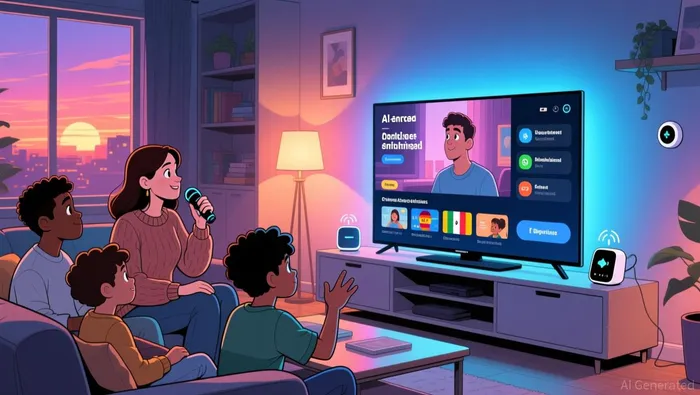
Samsung's 2025 TV lineup, powered by Vision AI, has transformed smart TVs into intelligent hubs for personalized experiences. Features like Live Translate (real-time subtitle translation), Click to Search (instant content recommendations), and Home Insights (smart home monitoring) are driving user engagement. According to Samsung, over 70% of Galaxy S25 users actively utilize AI tools, with Google Gemini's usage tripling on the latest devices.
The company's "AI for All" vision extends beyond TVs, integrating AI into smart home ecosystems via SmartThings Ambient Sensing and Bixby Voice. These tools analyze ambient sounds and human movements to deliver hyper-personalized services, further embedding Samsung's AI into daily routines. Consumer research indicates that 47% of users report disrupted routines without AI tools, underscoring their growing indispensability.
Monetization Strategies: Subscriptions, Ads, and Developer Ecosystems
Samsung's monetization strategy is diversifying beyond hardware sales. The Galaxy Store now offers a 85% revenue share for developers on subscriptions, retaining only 15% for itself-a model that incentivizes third-party app development and content creation. This approach aligns with Google's AI Pro and Ultra subscription plans, which have driven significant revenue growth in Q3 2025 according to earnings reports.







Comentarios
Aún no hay comentarios