
Samsung's Galaxy Z Fold7: A Structural Play on the Foldable Future
The foldable smartphone market is no longer a niche experiment—it's a battleground for tech giants aiming to redefine mobile computing. Samsung's Galaxy Z Fold7, launched in July 2025, isn't just an incremental upgrade; it's a strategic move to cement its leadership in the premium segment. By blending cutting-edge hardware, AI-driven software, and ecosystem lock-in, Samsung has positioned itself to capitalize on a market poised for explosive growth. For investors, the Z Fold7 represents more than a product—it's a structural advantage that could shield Samsung from competition and drive long-term shareholder value.
The Hardware-Software Synergy: Where Samsung Dominates
At its core, the Z Fold7 is a masterclass in technical integration. The QualcommQCOM-- Snapdragon 8 Elite chipset (3nm, 4.32GHz CPU) delivers unmatched performance for multitasking, gaming, and AI workloads. Paired with One UI 8—the latest iteration of Samsung's Android skin—the device creates a seamless user experience that rivals traditional laptops. Key innovations include:
- AI-Enhanced Productivity: The Galaxy AI Suite, featuring Gemini Live, offers real-time suggestions and workflow optimizations. For example, the AI Result View lets users drag-and-drop AI-generated content directly into apps, blurring the line between device and assistant.
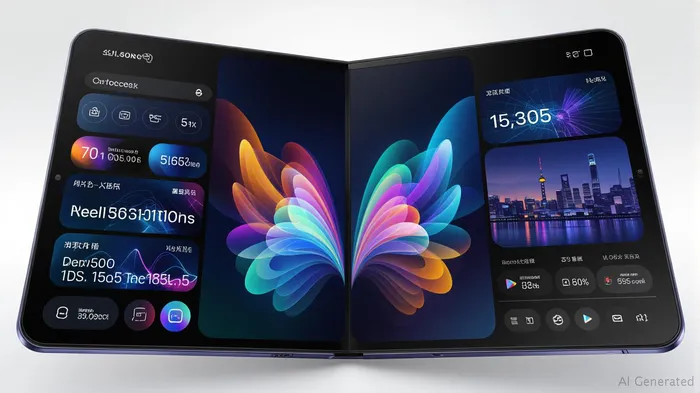
- Display Innovation: The 8.2-inch foldable Dynamic LTPO AMOLED 2X screen boasts reduced creasing and adaptive refresh rates, making it the most refined foldable display yet. Combined with Samsung DeX, this enables desktop-like multitasking—critical for professionals and creatives.
- Photography Ecosystem: A 200MP main camera with AI-driven enhancements (e.g., ProGen Visual Engine for blur reduction) positions the Z Fold7 as a premium camera tool, appealing to users who value both form and function.
Market Differentiation: Why Competitors Struggle to Keep Pace
While rivals like Huawei (Mate X6) and Oppo (Find N5) compete on specs, Samsung's ecosystem integration creates a moat. The Z Fold7 isn't just a phone—it's the hub of a broader ecosystem:
- Samsung DeX: Turns the device into a desktop environment, making it indispensable for hybrid work.
- S Pen Support: Though the inner display lacks a dedicated stylus slot, the external S Pen compatibility ensures creative professionals remain locked into the ecosystem.
- Long-Term Software Support: Up to seven Android updates (through 2029) reduce upgrade cycles, increasing customer lifetime value.
Meanwhile, Samsung's design prowess—thinner form factor (4.2mm unfolded), IP48 durability, and GorillaGRRR-- Glass Victus 2—undercuts competitors on both aesthetics and reliability. Even Apple's anticipated 2026 foldable entry faces a steep uphill battle against Samsung's head start.
ASP Growth: Pricing Power in a Premium Market
The Z Fold7's starting price of $2,000 (256GB) reflects its premium positioning. Crucially, its value proposition justifies the premium:
- Higher Margins: Foldables typically command 30-50% higher ASPs than conventional flagships.
- Reduced Churn: Long-term software support and ecosystem lock-in reduce replacement cycles, boosting recurring revenue through services (e.g., One UI features, cloud storage).
Structural Advantages Mitigate Competition Risks
Samsung's innovation cycle and first-mover advantage minimize threats:
1. AI-Driven Bar Raising: By embedding AI into core functions (e.g., Gemini Live for contextual tasks), Samsung forces competitors to play catch-up.
2. Ecosystem Network Effects: The Galaxy ecosystem—wearables, tablets, and home devices—creates a sticky user base. Foldables like the Z Fold7 are the旗舰 of this ecosystem.
3. Supply Chain Control: Samsung's vertical integration in displays, processors, and batteries ensures it can scale production without relying on third-party suppliers.
Investment Thesis: Samsung's Foldables Are a Buy on Valuation
Samsung Electronics (SSNJF) trades at a P/E of 12.5x, below its five-year average of 14.8x. With foldables now accounting for ~15% of Samsung's mobile revenue (up from 5% in 2020), the Z Fold7's success could accelerate this trend.
Buy Signal: Investors should accumulate Samsung shares if foldable shipments exceed 30 million units globally in 2025 (current estimates: 25 million). Risks include supply chain hiccups and regulatory scrutiny, but Samsung's R&D (7% of revenue) and scale mitigate these.
Conclusion: The Foldable Future Belongs to Samsung
The Galaxy Z Fold7 isn't just a phone—it's a blueprint for how hardware-software synergy can dominate a market. With AI, ecosystem lock-in, and design leadership, Samsung is well-positioned to weather competition and sustain premium pricing. For investors, this is a structural play on the next wave of mobile computing. Hold Samsung for the long term—its foldables are a moat, not a fad.





Comentarios
Aún no hay comentarios