
Samsung Biologics' Strategic Operational Streamlining: A Catalyst for Enhanced EBITDA Margins Amid Booming Biopharma Outsourcing Trends
Samsung Biologics has emerged as a standout performer in the biopharma outsourcing sector, with its Q2 2025 financial results underscoring the power of strategic operational streamlining. The company reported consolidated EBITDA of KRW 653.8 billion for the quarter, a year-on-year increase of KRW 71.2 billion, as reported in its Q2 2025 results. This growth was driven by the full utilization of its existing manufacturing plants and the ramp-up of Plant 4, which has amplified production efficiency and cost discipline, according to a Korea Herald article. With an operating margin of 37%, Samsung Biologics has demonstrated its ability to convert operational improvements into robust profitability-a critical differentiator in a sector where margins often lag behind revenue growth, the Korea Herald observed.
Operational Streamlining: Capacity, Diversification, and Digital Transformation
Samsung's operational strategy is anchored in three pillars: capacity expansion, service diversification, and digital transformation. The company is set to bring Plant 5 online, boosting its biomanufacturing capacity to 784,000 liters, with plans to construct a sixth plant to reach 964,000 liters, according to a Biopharma APAC report. This expansion directly addresses the surging global demand for biologics, which account for over 20% of pharmaceutical revenue but require complex, capital-intensive production, according to a Newstrail report.
Simultaneously, Samsung is broadening its service offerings to include advanced therapies such as antibody-drug conjugates (ADCs), cell and gene therapies, and automated pre-filled syringe production, the Korea Herald reported. These innovations align with the industry's shift toward full-service contract development and manufacturing organizations (CDMOs), where clients seek end-to-end solutions rather than fragmented services, as noted in industry coverage.
Digitally, Samsung is leveraging AI and real-time data analytics to optimize bioprocesses. The company has developed a proprietary customer portal and data lake to integrate real-time data with manufacturing systems, enhancing transparency and reducing time-to-market for clients, the Korea Herald noted. This digital edge not only improves operational efficiency but also strengthens client retention in a competitive market.
Aligning with Global Biopharma Outsourcing Trends
Samsung's strategic moves are in lockstep with broader industry trends. The global biopharma outsourcing market is projected to grow at an 11.2% CAGR from 2025 to 2032, reaching USD 90 billion in 2025, according to Newstrail. Key drivers include the rising complexity of biologics, the need for global supply chain resilience, and the cost advantages of outsourcing. Samsung's geographic expansion-such as its new Tokyo office and New Jersey hub-positions it to capitalize on regional demand while mitigating geopolitical risks, as reported by Biopharma APAC.
Moreover, the company's focus on sustainability, including participation in the Sustainable Markets Initiative's Health Systems Task Force, resonates with investors prioritizing ESG criteria, a point highlighted in Biopharma APAC coverage. As healthcare systems worldwide grapple with decarbonization, Samsung's green initiatives could become a competitive moat.
Investment Implications
Samsung Biologics' operational streamlining has not only bolstered EBITDA margins but also fortified its position as a leader in a high-growth sector. The company's 37% operating margin outpaces industry averages, reflecting its disciplined cost management and pricing power, a dynamic noted in coverage by the Korea Herald. With the biopharma outsourcing market expanding rapidly, Samsung's investments in capacity, technology, and sustainability are likely to compound its advantages.
However, risks remain. Capital expenditures for new plants and technologies require significant funding, and delays in regulatory approvals for advanced therapies could slow revenue realization. That said, Samsung's proactive approach to innovation and its alignment with macro trends suggest these challenges are manageable.
For investors, Samsung Biologics represents a compelling case study in operational excellence and strategic foresight. As the biopharma industry continues to outsource complex manufacturing, the company's ability to scale efficiently while maintaining profitability will be a key determinant of long-term value creation.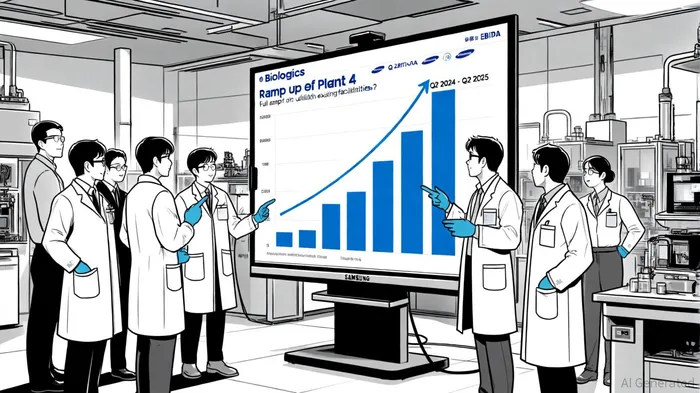







Comentarios
Aún no hay comentarios