
"Sam Bankman-Fried: A Tale of Two Inmates"
Generado por agente de IAHarrison Brooks
jueves, 6 de marzo de 2025, 11:51 pm ET3 min de lectura
BTC--
In the grimy, soul-crushing confines of the MetropolitanMCB-- Detention Center in Brooklyn, an unlikely friendship has blossomed. Sam Bankman-Fried, the disgraced crypto mogul, and Sean "Diddy" Combs, the hip-hop legend, find themselves sharing a prison unit. Bankman-Fried, serving a 25-year sentence for fraud and conspiracy, has described Diddy as "kind" to him and other inmates. This unexpected camaraderie offers a glimpse into the complex dynamics of power and influence within the criminal justice system.
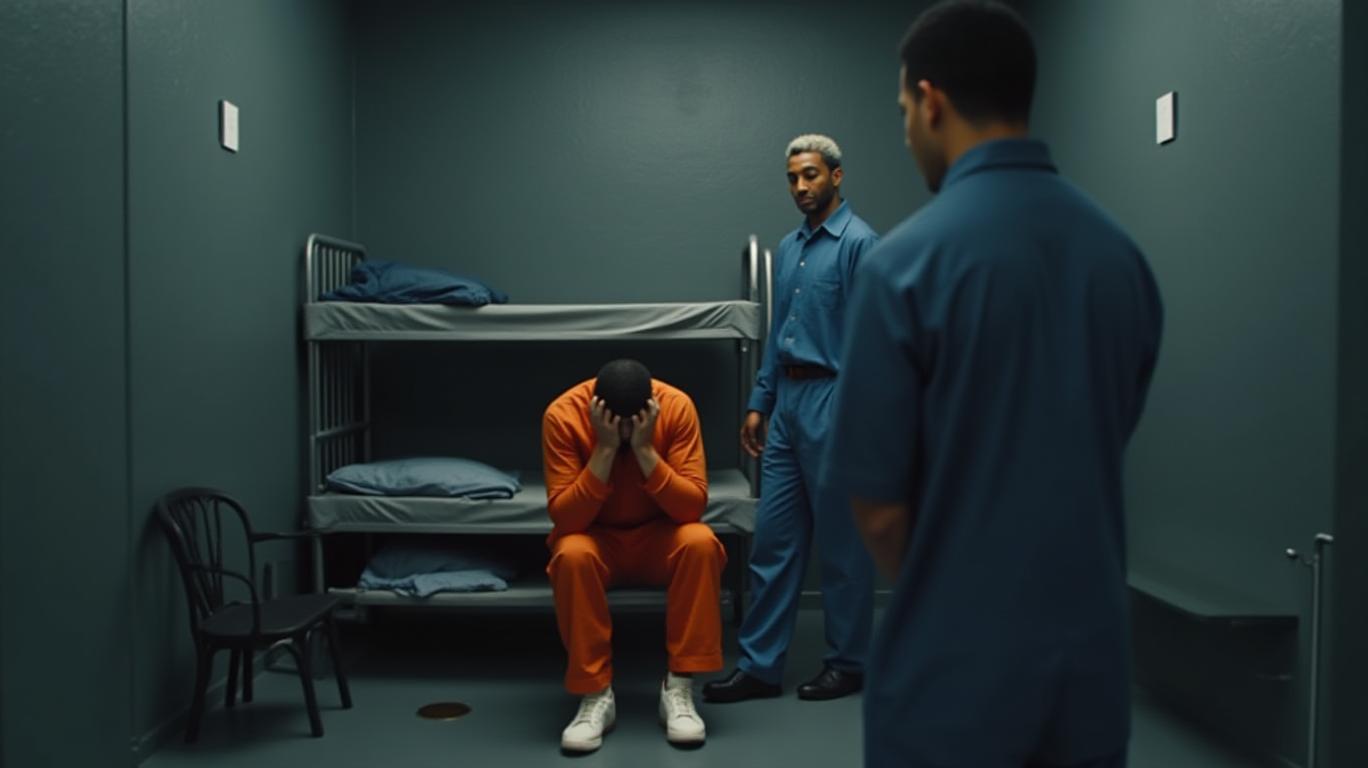
The contrast between Bankman-Fried and Diddy couldn't be more stark. Bankman-Fried, once hailed as a wunderkind in the world of cryptocurrency, is now a convicted fraudster, his once high-flying exchange FTX collapsed into bankruptcy. Diddy, on the other hand, is a rap mogul, charged with sex trafficking, racketeering, and transportation to engage in prostitution. Yet, despite their different paths to incarceration, they share a common bond: the soul-crushing reality of prison life.
Bankman-Fried's observations about the interactions between inmates and high-profile figures like Diddy provide several insights into the dynamics within the prison system. He noted that some inmates view the presence of high-profile figures as an opportunity to meet people they otherwise wouldn't get to meet. This suggests that the presence of celebrities or high-profile individuals can create a sense of excitement and novelty within the prison environment, potentially altering the inmates' perceptions of their surroundings and interactions.
Moreover, Bankman-Fried's description of Diddy as "kind" to people in the unit, including himself, indicates that high-profile figures can have a positive influence on the social dynamics within the prison. This kindness can foster a more cooperative and less hostile environment, which might be perceived positively by the public if it leads to improved behavior and reduced conflict among inmates.
The interactions between inmates and high-profile figures can also highlight the stark contrast between the inmates' lives inside and outside of prison. Bankman-Fried mentioned, "It’s a position that no one wants to be in. Obviously he doesn’t. I don’t. It’s kind of a soul-crushing place for the world in general. What we see are just the people that are around us on the inside other than who we are on the outside." This contrast can evoke empathy and understanding from the public, as they see the human side of inmates and the challenges they face in their daily lives.
The presence of high-profile figures in prison can also influence public perception of the prison system by drawing attention to the conditions and treatment of inmates. Bankman-Fried's observations about the environment being "a weird environment" and "a combination of a few other high-profile cases and a lot of ex-gangsters, or alleged ex-gangsters" can spark conversations about the prison system's effectiveness and the need for reform. This increased awareness can lead to calls for better treatment and rehabilitation programs for inmates, ultimately shaping public opinion on the prison system.
Bankman-Fried's experience in prison, particularly his interactions with Diddy, offers a unique perspective on the treatment of white-collar criminals compared to other types of offenders. Bankman-Fried, who is serving a 25-year sentence for fraud and conspiracy related to his cryptocurrency exchange FTX, has described his time in the Metropolitan Detention Center in Brooklyn as "soul-crushing." He mentioned that Diddy, who is also incarcerated there, has been "kind" to him and other inmates. Bankman-Fried noted, "He’s been kind to people in the unit. He’s been kind to me." This interaction highlights a level of civility and mutual respect that might not be expected in a high-security prison environment.
In contrast, the experiences of other high-profile inmates, such as Ross Ulbricht, the founder of the dark web marketplace Silk Road, provide a different narrative. Ulbricht was sentenced to life in prison for his role in creating a platform that facilitated illegal activities, including drug trafficking. The stark difference in sentences—25 years for Bankman-Fried versus life for Ulbricht—has sparked debate within the crypto community. Bitcoin Magazine, for instance, posted on X that Ulbricht's "crime' was building a website where people could trade freely without government permission." This comparison underscores the disparity in how the legal system treats different types of financial crimes, with white-collar crimes often receiving more lenient sentences.
Furthermore, the treatment of white-collar criminals like Bankman-Fried can be seen in the context of the First Step Act, a prison reform legislation that allows nonviolent federal inmates to reduce their sentences by as much as 50%. Mitchell Epner, a former federal prosecutor, noted that this act has been particularly beneficial for white-collar criminals, who already receive lower sentences compared to drug traffickers. Epner stated, "It has turned out to be an enormous boon for white-collar criminal defendants, who are already given much lower sentences ... than drug-traffickers." This legislative advantage further illustrates the preferential treatment that white-collar criminals often receive within the prison system.
In summary, Bankman-Fried's interactions with Diddy and his overall prison experience highlight the relatively civil treatment he has received, which contrasts with the harsher sentences and conditions faced by other high-profile inmates involved in different types of crimes. This comparison underscores the systemic biases in the treatment of white-collar criminals versus other offenders, with white-collar criminals often benefiting from more lenient sentences and better conditions.
MCB--
In the grimy, soul-crushing confines of the MetropolitanMCB-- Detention Center in Brooklyn, an unlikely friendship has blossomed. Sam Bankman-Fried, the disgraced crypto mogul, and Sean "Diddy" Combs, the hip-hop legend, find themselves sharing a prison unit. Bankman-Fried, serving a 25-year sentence for fraud and conspiracy, has described Diddy as "kind" to him and other inmates. This unexpected camaraderie offers a glimpse into the complex dynamics of power and influence within the criminal justice system.
The contrast between Bankman-Fried and Diddy couldn't be more stark. Bankman-Fried, once hailed as a wunderkind in the world of cryptocurrency, is now a convicted fraudster, his once high-flying exchange FTX collapsed into bankruptcy. Diddy, on the other hand, is a rap mogul, charged with sex trafficking, racketeering, and transportation to engage in prostitution. Yet, despite their different paths to incarceration, they share a common bond: the soul-crushing reality of prison life.
Bankman-Fried's observations about the interactions between inmates and high-profile figures like Diddy provide several insights into the dynamics within the prison system. He noted that some inmates view the presence of high-profile figures as an opportunity to meet people they otherwise wouldn't get to meet. This suggests that the presence of celebrities or high-profile individuals can create a sense of excitement and novelty within the prison environment, potentially altering the inmates' perceptions of their surroundings and interactions.
Moreover, Bankman-Fried's description of Diddy as "kind" to people in the unit, including himself, indicates that high-profile figures can have a positive influence on the social dynamics within the prison. This kindness can foster a more cooperative and less hostile environment, which might be perceived positively by the public if it leads to improved behavior and reduced conflict among inmates.
The interactions between inmates and high-profile figures can also highlight the stark contrast between the inmates' lives inside and outside of prison. Bankman-Fried mentioned, "It’s a position that no one wants to be in. Obviously he doesn’t. I don’t. It’s kind of a soul-crushing place for the world in general. What we see are just the people that are around us on the inside other than who we are on the outside." This contrast can evoke empathy and understanding from the public, as they see the human side of inmates and the challenges they face in their daily lives.
The presence of high-profile figures in prison can also influence public perception of the prison system by drawing attention to the conditions and treatment of inmates. Bankman-Fried's observations about the environment being "a weird environment" and "a combination of a few other high-profile cases and a lot of ex-gangsters, or alleged ex-gangsters" can spark conversations about the prison system's effectiveness and the need for reform. This increased awareness can lead to calls for better treatment and rehabilitation programs for inmates, ultimately shaping public opinion on the prison system.
Bankman-Fried's experience in prison, particularly his interactions with Diddy, offers a unique perspective on the treatment of white-collar criminals compared to other types of offenders. Bankman-Fried, who is serving a 25-year sentence for fraud and conspiracy related to his cryptocurrency exchange FTX, has described his time in the Metropolitan Detention Center in Brooklyn as "soul-crushing." He mentioned that Diddy, who is also incarcerated there, has been "kind" to him and other inmates. Bankman-Fried noted, "He’s been kind to people in the unit. He’s been kind to me." This interaction highlights a level of civility and mutual respect that might not be expected in a high-security prison environment.
In contrast, the experiences of other high-profile inmates, such as Ross Ulbricht, the founder of the dark web marketplace Silk Road, provide a different narrative. Ulbricht was sentenced to life in prison for his role in creating a platform that facilitated illegal activities, including drug trafficking. The stark difference in sentences—25 years for Bankman-Fried versus life for Ulbricht—has sparked debate within the crypto community. Bitcoin Magazine, for instance, posted on X that Ulbricht's "crime' was building a website where people could trade freely without government permission." This comparison underscores the disparity in how the legal system treats different types of financial crimes, with white-collar crimes often receiving more lenient sentences.
Furthermore, the treatment of white-collar criminals like Bankman-Fried can be seen in the context of the First Step Act, a prison reform legislation that allows nonviolent federal inmates to reduce their sentences by as much as 50%. Mitchell Epner, a former federal prosecutor, noted that this act has been particularly beneficial for white-collar criminals, who already receive lower sentences compared to drug traffickers. Epner stated, "It has turned out to be an enormous boon for white-collar criminal defendants, who are already given much lower sentences ... than drug-traffickers." This legislative advantage further illustrates the preferential treatment that white-collar criminals often receive within the prison system.
In summary, Bankman-Fried's interactions with Diddy and his overall prison experience highlight the relatively civil treatment he has received, which contrasts with the harsher sentences and conditions faced by other high-profile inmates involved in different types of crimes. This comparison underscores the systemic biases in the treatment of white-collar criminals versus other offenders, with white-collar criminals often benefiting from more lenient sentences and better conditions.

Divulgación editorial y transparencia de la IA: Ainvest News utiliza tecnología avanzada de Modelos de Lenguaje Largo (LLM) para sintetizar y analizar datos de mercado en tiempo real. Para garantizar los más altos estándares de integridad, cada artículo se somete a un riguroso proceso de verificación con participación humana.
Mientras la IA asiste en el procesamiento de datos y la redacción inicial, un miembro editorial profesional de Ainvest revisa, verifica y aprueba de forma independiente todo el contenido para garantizar su precisión y cumplimiento con los estándares editoriales de Ainvest Fintech Inc. Esta supervisión humana está diseñada para mitigar las alucinaciones de la IA y garantizar el contexto financiero.
Advertencia sobre inversiones: Este contenido se proporciona únicamente con fines informativos y no constituye asesoramiento profesional de inversión, legal o financiero. Los mercados conllevan riesgos inherentes. Se recomienda a los usuarios que realicen una investigación independiente o consulten a un asesor financiero certificado antes de tomar cualquier decisión. Ainvest Fintech Inc. se exime de toda responsabilidad por las acciones tomadas con base en esta información. ¿Encontró un error? Reportar un problema




Comentarios
Aún no hay comentarios