
Sam Bankman-Fried's Psychological Legacy: Investor Behavior and Market Resilience in Crypto's Post-FTX Era
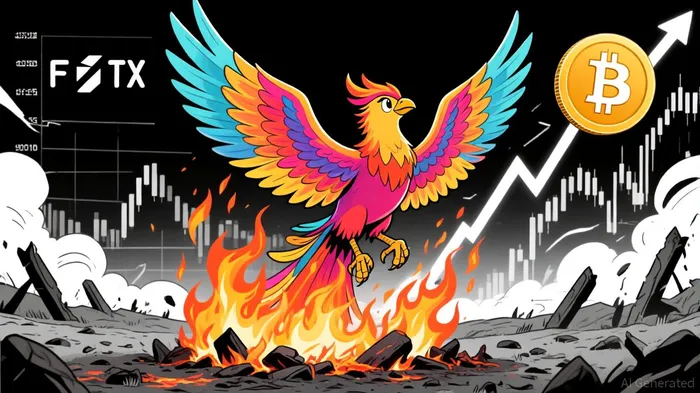
The collapse of FTX in late 2022 marked a seismic shift in the cryptocurrency landscape, not merely due to its financial scale but because of the profound psychological imprint left by its founder, Sam Bankman-Fried (SBF). Behavioral finance experts have since dissected SBF's leadership style and decision-making, revealing how his overconfidence, lack of emotional regulation, and flawed corporate governance created a perfect storm of investor trust erosion and market instability [1]. This article examines how SBF's actions and subsequent downfall reshaped investor psychology, the market's path to recovery, and the lingering questions about resilience in digital assets.
The Behavioral Blueprint of a Collapse
SBF's leadership was characterized by an unorthodox blend of intellectual arrogance and a disregard for traditional financial safeguards. According to a report by Forbes, he eschewed key oversight roles like a CFO or CRO, centralizing control while failing to address liquidity risks or properly segregate customer deposits [1]. Behavioral finance concepts such as cognitive dissonance and mental accounting further explain his inability to compartmentalize FTX and its sister firm, Alameda Research, leading to fraudulent practices that masked liquidity shortfalls [1].
Psychologically, SBF's influence over investors and employees stemmed from his anti-establishment persona, which resonated with a generation seeking to reject traditional social norms [6]. His charisma and “rational” facade—rooted in a utilitarian worldview—created a cult-like following, blinding many to red flags. This dynamic underscores the dangers of unchecked overconfidence in high-stakes environments, where leaders can exploit cognitive biases to justify risky behavior [5].
Market Turbulence and Trust Deficits
The FTX collapse triggered immediate panic, with major cryptocurrencies like BitcoinBTC-- and EthereumETH-- experiencing sharp negative abnormal returns in the days leading up to and following the event [1]. Investors withdrew assets en masse, exacerbating volatility and exposing systemic vulnerabilities in the crypto ecosystem. A study published in MDPI noted that Bitcoin and Ethereum became dominant transmitters of volatility post-FTX, while DeFi tokens faced asymmetric shocks, highlighting the fragility of interconnected digital markets [2].
Interestingly, subsequent collapses (e.g., BlockFi and Genesis) elicited muted reactions, suggesting investors began adjusting their expectations and adopting a more cautious, resilient mindset [1]. This behavioral adaptation reflects a maturing market, albeit one still grappling with trust deficits. Traditional tech stocks, meanwhile, remained largely insulated from crypto-induced shocks, indicating limited cross-market contagion [2].
Recovery Efforts and Sentiment Shifts
Despite the trauma of FTX, the crypto market has shown signs of recovery in 2025. Bitcoin's surge past $100,000 in December 2024 signaled renewed institutional and retail confidence [2]. Simultaneously, the FTX bankruptcy estate has distributed over $7.6 billion to creditors through a structured “waterfall” approach, with the latest $1.6 billion payout scheduled for September 30, 2025 [4]. While U.S. customers have recovered 95% of their claims, international users and unsecured creditors remain dissatisfied, as repayments are based on November 2022 valuations—far below current prices [3].
SBF's recent sporadic activity on his X account, including a cryptic “gm” post in September 2025, has further complicated sentiment. The post coincided with a 32% surge in FTT's value, illustrating the enduring emotional and speculative pull of his brand [4]. Analysts remain divided on whether these repayments will catalyze a broader bull run or if investors will prioritize personal financial recovery over reinvestment [6].
Lessons for the Future
The FTX saga underscores the critical role of investor psychology in market dynamics. Behavioral pitfalls—overconfidence, herd mentality, and trust erosion—remain as relevant as ever. Regulatory bodies have since emphasized the need for stricter oversight, particularly in insolvency frameworks and transparency requirements [4]. For investors, the collapse serves as a cautionary tale about due diligence and the risks of idolizing charismatic leaders.
As the crypto market navigates this post-FTX era, the interplay between psychological resilience, regulatory evolution, and technological innovation will define its trajectory. While SBF's legacy is one of caution, the sector's ability to recover and adapt suggests a future where digital assets may yet mature into a more stable and trusted asset class.






Comentarios
Aún no hay comentarios