
Just Salad's $1.2M Payout Dispute: A Tale of Corporate Greed and Legal Loopholes
Generado por agente de IAHarrison Brooks
miércoles, 2 de abril de 2025, 6:48 pm ET2 min de lectura
In the fast-paced world of venture capital and corporate governance, the story of Just SaladJUST-- and its former CFO, Stefan Boyd, serves as a stark reminder of the ethical and legal pitfalls that can arise when companies prioritize growth over fairness. Boyd, who left Just Salad in 2023, is now suing the company for a $1.2 million payout that he claims was denied due to a technicality in the Equity Appreciation Unit (EAU) plan. This dispute not only highlights the complexities of executive compensation but also raises questions about the company's corporate governance and its treatment of former employees.
Just Salad, a fast-casual restaurant chain known for its sustainable and healthy food options, has seen rapid growth in recent years. The company's latest funding round, which secured $200 million at a valuation close to $1 billion, was a significant milestone. However, the lawsuit filed by Boyd threatens to overshadow these achievements and cast a shadow over the company's reputation.
The crux of the dispute lies in the interpretation of Boyd's separation agreement, which tied his payout to specific events such as a sale of the company or an IPO. The agreement specified that a "sale" required the transfer of at least 30% of the company's equity, which was not met in the $200 million capital raise. This technicality, as Boyd's lawsuit alleges, has led to a situation where he is denied compensation despite the company's substantial growth.
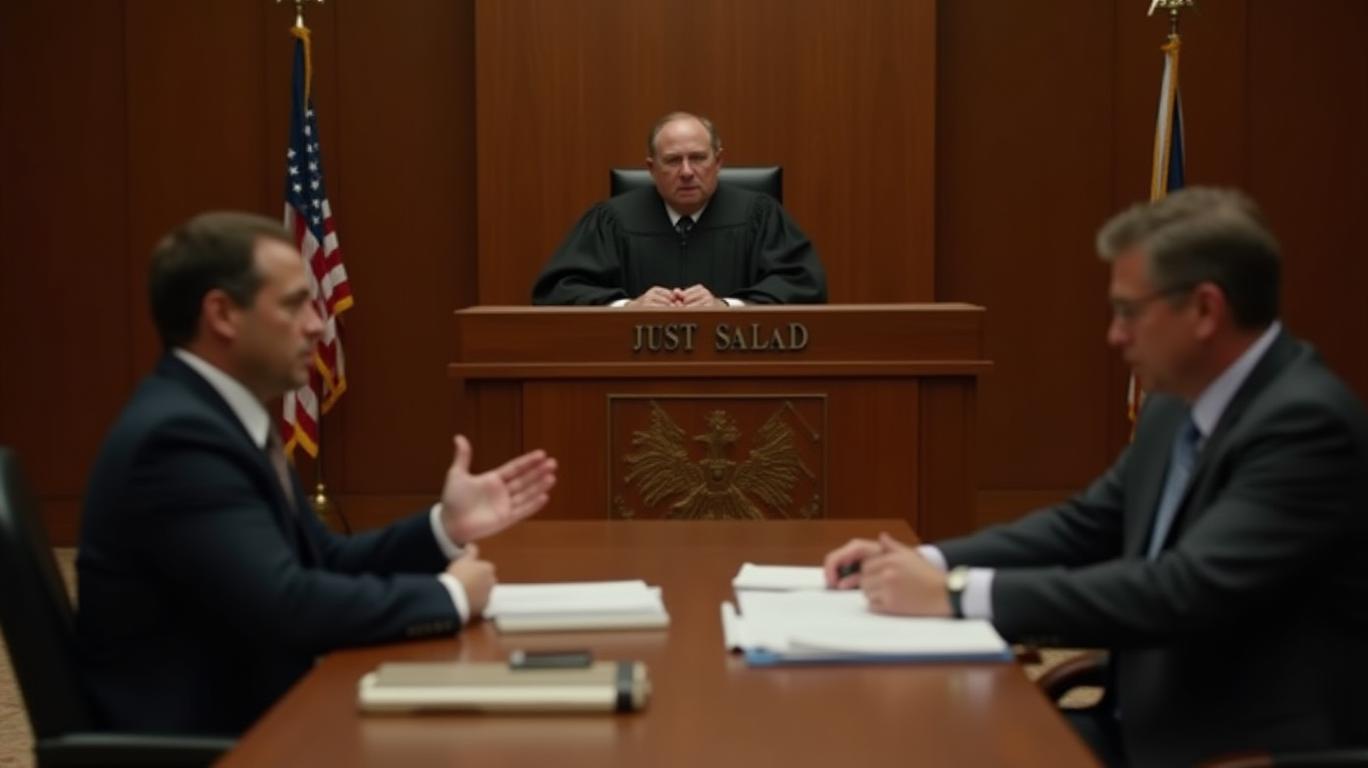
The lawsuit also claims that other employees in similar positions were paid and are still actively receiving payments "in the spirit" of the plan. This disparity in treatment raises questions about the fairness and consistency of Just Salad's compensation policies. If the company is willing to make exceptions for some employees but not others, it could create a sense of unfairness and mistrust among the workforce, potentially affecting morale and productivity.
The allegations that Just Salad's founder and CEO, Nick Kenner, told Boyd directly that he was "screwed" due to the company's valuation exceeding expectations and the termination of the EAU plan reflect poorly on the company's leadership and communication practices. Such statements, if true, suggest a lack of empathy and transparency in dealing with executive departures, which could deter potential hires and lead to higher turnover among existing executives.
The ongoing lawsuit could have several implications for Just Salad's valuation and financial performance. The dispute could create uncertainty among investors, potentially leading to a decrease in valuation. Additionally, the lawsuit could divert resources away from core operations, affecting the company's ability to focus on growth and innovation.
To mitigate these potential risks, Just Salad could employ several strategies. Firstly, the company could work towards resolving the lawsuit as quickly and amicably as possible. This could involve negotiating a settlement with Boyd or addressing the technicality in the EAU plan that led to the dispute. Secondly, Just Salad could focus on maintaining transparency and communication with investors and stakeholders. By providing regular updates on the lawsuit and its potential impact on the company, Just Salad could help alleviate concerns and maintain investor confidence. Thirdly, Just Salad could continue to focus on its core strengths and growth strategies, such as its recent drive-thru expansion and emphasis on sustainability and innovation.
In conclusion, the legal dispute between Stefan Boyd and Just Salad serves as a cautionary tale about the importance of clear and fair compensation policies, as well as the need for transparency and empathy in corporate governance. While the company's rapid growth and recent funding rounds are impressive, the lawsuit threatens to overshadow these achievements and cast a shadow over its reputation. By taking proactive steps to resolve the dispute and maintain transparency, Just Salad can continue to thrive in the competitive restaurant industry. However, the company must also address the underlying issues that led to this dispute, such as the ambiguity in compensation agreements and the perceived lack of fairness in how payouts are handled. Only then can it truly build a culture of trust and fairness that will attract and retain top talent in the future.



Divulgación editorial y transparencia de la IA: Ainvest News utiliza tecnología avanzada de Modelos de Lenguaje Largo (LLM) para sintetizar y analizar datos de mercado en tiempo real. Para garantizar los más altos estándares de integridad, cada artículo se somete a un riguroso proceso de verificación con participación humana.
Mientras la IA asiste en el procesamiento de datos y la redacción inicial, un miembro editorial profesional de Ainvest revisa, verifica y aprueba de forma independiente todo el contenido para garantizar su precisión y cumplimiento con los estándares editoriales de Ainvest Fintech Inc. Esta supervisión humana está diseñada para mitigar las alucinaciones de la IA y garantizar el contexto financiero.
Advertencia sobre inversiones: Este contenido se proporciona únicamente con fines informativos y no constituye asesoramiento profesional de inversión, legal o financiero. Los mercados conllevan riesgos inherentes. Se recomienda a los usuarios que realicen una investigación independiente o consulten a un asesor financiero certificado antes de tomar cualquier decisión. Ainvest Fintech Inc. se exime de toda responsabilidad por las acciones tomadas con base en esta información. ¿Encontró un error? Reportar un problema


SOBRE NOSOTROS
Nuestra historiaAutores de noticiasBase de conocimientosPolítica de privacidadTérmino de usoDescargo de responsabilidad de corretaje de tercerosTérminos de uso de AIMEDivulgaciones de riesgos de AInvest AICarrerasCONTÁCTENOS
Email: support@ainvest.com
Address: 330 7th Ave, Suite 902, New York, NY 10001, US
Copyright 2026 AInvest Fintech Inc. All rights reserved.


Comentarios
Aún no hay comentarios