
Sage CEO on Bad Bosses: Panic Is the Last Thing You Need in a Crisis
Generado por agente de IAWesley Park
sábado, 15 de marzo de 2025, 7:52 am ET2 min de lectura
AMZN--
Listen up, folks! In the unpredictable world of business, CEOs face a constant barrage of challenges. From global crises to industry downturns, the decisions they make can either propel their organizations to new heights or send them spiraling into oblivion. But there's one thing that can make or break a CEO during a crisis: panic. And let me tell you, panic is the last thing you need when the market is on fire!
Dr. D Sangeeta, a former executive at GEGE-- Aviation, Nielsen, AmazonAMZN--, and founder of Gotara, has seen it all. She's led teams through 9/11 and the COVID-19 pandemic, and she knows a thing or two about navigating uncertainty. Her approach? Balance immediate problem-solving with future-focused strategies. It’s all too easy to jump on the latest “urgent” issue as if every challenge demands immediate action. But, not all situations carry the same weight. When a plane crashes, the FAA along with engineers from aircraft and engine manufacturers are mobilized without hesitation, because the stakes are undeniably high. In business, discerning between genuine emergencies and situations that allow for thoughtful analysis is crucial. Recognizing this difference enables leaders to prioritize actions effectively — addressing crises with the necessary speed while also carving out time for strategic, long-term initiatives.
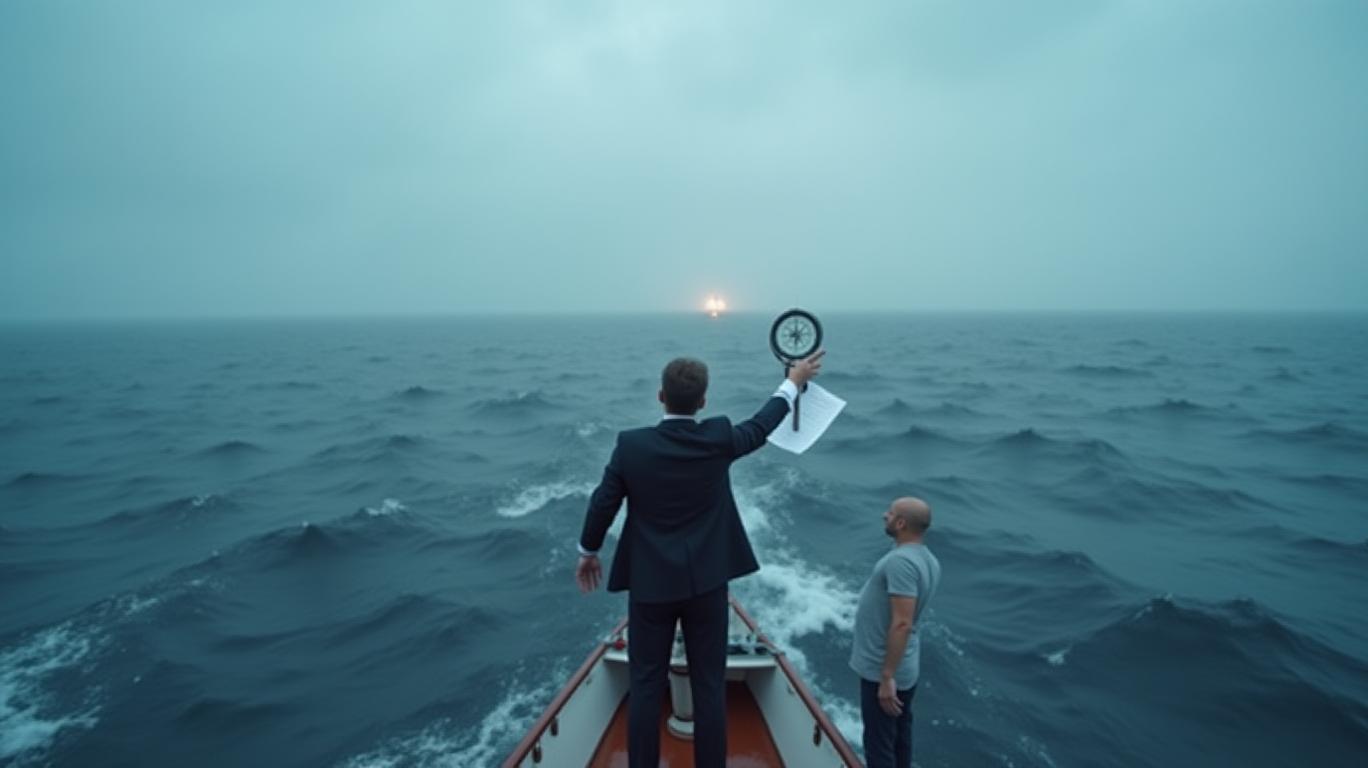
So, how do you discern between genuine emergencies and situations that allow for thoughtful analysis? You need to evaluate the urgency and potential impact of each issue. For example, when a plane crashes, the FAA along with engineers from aircraft and engine manufacturers are mobilized without hesitation, because the stakes are undeniably high. In business, discerning between genuine emergencies and situations that allow for thoughtful analysis is crucial. Recognizing this difference enables leaders to prioritize actions effectively — addressing crises with the necessary speed while also carving out time for strategic, long-term initiatives.
Take the 9/11 disruption in the aviation industry. Many companies faced immediate financial pressure, with air travel plummeting and revenue declining. The reaction, often, was layoffs. But Dr. Sangeeta and her team at GE Aviation took a different approach. "You can’t just fire the whole workforce," she explained. "You have to think tactically, but you also have to think long-term." Rather than cutting essential investments, GE Aviation focused on innovation, ensuring that when the market rebounded, they were positioned for growth. This strategy paid off, as the company emerged stronger when demand returned.
Now, let's talk about people-first leadership. In times of uncertainty, crisis often exposes weak points in leadership. Managers who focus only on immediate financial concerns may neglect their most valuable asset: their team. When Dr. Sangeeta joined Nielsen to lead its struggling data science division, she found a team under constant pressure, working long hours without recognition. Instead of immediately overhauling processes, she prioritized the well-being and development of her employees. She launched a leadership program designed to foster innovation and risk-taking. The result? Innovation output increased by 500%, and the team expanded from 250 to 1,000 employees. Engaged and supported employees perform better, even during difficult times. When organizations invest in leadership development and career growth, teams become more adaptable and committed to the company’s success.
So, what’s the takeaway? Panic is the last thing you need in a crisis. Stay calm, evaluate the situation, and prioritize your actions. Invest in your team, and don’t forget to think long-term. Because in the end, it’s not just about surviving the storm—it’s about emerging stronger on the other side. So, buckle up, folks! The market is a wild ride, but with the right strategy, you can navigate it like a pro.
Listen up, folks! In the unpredictable world of business, CEOs face a constant barrage of challenges. From global crises to industry downturns, the decisions they make can either propel their organizations to new heights or send them spiraling into oblivion. But there's one thing that can make or break a CEO during a crisis: panic. And let me tell you, panic is the last thing you need when the market is on fire!
Dr. D Sangeeta, a former executive at GEGE-- Aviation, Nielsen, AmazonAMZN--, and founder of Gotara, has seen it all. She's led teams through 9/11 and the COVID-19 pandemic, and she knows a thing or two about navigating uncertainty. Her approach? Balance immediate problem-solving with future-focused strategies. It’s all too easy to jump on the latest “urgent” issue as if every challenge demands immediate action. But, not all situations carry the same weight. When a plane crashes, the FAA along with engineers from aircraft and engine manufacturers are mobilized without hesitation, because the stakes are undeniably high. In business, discerning between genuine emergencies and situations that allow for thoughtful analysis is crucial. Recognizing this difference enables leaders to prioritize actions effectively — addressing crises with the necessary speed while also carving out time for strategic, long-term initiatives.
So, how do you discern between genuine emergencies and situations that allow for thoughtful analysis? You need to evaluate the urgency and potential impact of each issue. For example, when a plane crashes, the FAA along with engineers from aircraft and engine manufacturers are mobilized without hesitation, because the stakes are undeniably high. In business, discerning between genuine emergencies and situations that allow for thoughtful analysis is crucial. Recognizing this difference enables leaders to prioritize actions effectively — addressing crises with the necessary speed while also carving out time for strategic, long-term initiatives.
Take the 9/11 disruption in the aviation industry. Many companies faced immediate financial pressure, with air travel plummeting and revenue declining. The reaction, often, was layoffs. But Dr. Sangeeta and her team at GE Aviation took a different approach. "You can’t just fire the whole workforce," she explained. "You have to think tactically, but you also have to think long-term." Rather than cutting essential investments, GE Aviation focused on innovation, ensuring that when the market rebounded, they were positioned for growth. This strategy paid off, as the company emerged stronger when demand returned.
Now, let's talk about people-first leadership. In times of uncertainty, crisis often exposes weak points in leadership. Managers who focus only on immediate financial concerns may neglect their most valuable asset: their team. When Dr. Sangeeta joined Nielsen to lead its struggling data science division, she found a team under constant pressure, working long hours without recognition. Instead of immediately overhauling processes, she prioritized the well-being and development of her employees. She launched a leadership program designed to foster innovation and risk-taking. The result? Innovation output increased by 500%, and the team expanded from 250 to 1,000 employees. Engaged and supported employees perform better, even during difficult times. When organizations invest in leadership development and career growth, teams become more adaptable and committed to the company’s success.
So, what’s the takeaway? Panic is the last thing you need in a crisis. Stay calm, evaluate the situation, and prioritize your actions. Invest in your team, and don’t forget to think long-term. Because in the end, it’s not just about surviving the storm—it’s about emerging stronger on the other side. So, buckle up, folks! The market is a wild ride, but with the right strategy, you can navigate it like a pro.

Divulgación editorial y transparencia de la IA: Ainvest News utiliza tecnología avanzada de Modelos de Lenguaje Largo (LLM) para sintetizar y analizar datos de mercado en tiempo real. Para garantizar los más altos estándares de integridad, cada artículo se somete a un riguroso proceso de verificación con participación humana.
Mientras la IA asiste en el procesamiento de datos y la redacción inicial, un miembro editorial profesional de Ainvest revisa, verifica y aprueba de forma independiente todo el contenido para garantizar su precisión y cumplimiento con los estándares editoriales de Ainvest Fintech Inc. Esta supervisión humana está diseñada para mitigar las alucinaciones de la IA y garantizar el contexto financiero.
Advertencia sobre inversiones: Este contenido se proporciona únicamente con fines informativos y no constituye asesoramiento profesional de inversión, legal o financiero. Los mercados conllevan riesgos inherentes. Se recomienda a los usuarios que realicen una investigación independiente o consulten a un asesor financiero certificado antes de tomar cualquier decisión. Ainvest Fintech Inc. se exime de toda responsabilidad por las acciones tomadas con base en esta información. ¿Encontró un error? Reportar un problema




Comentarios
Aún no hay comentarios