
Safe and Green’s Pivot to Sustainable Soil: A Bold Move with Hidden Risks?
Safe and Green Development Corporation (SGD) has unveiled an ambitious strategic shift in its latest shareholder letter, pivoting from traditional real estate development to the composting and engineered soils industry through the acquisition of Resource Group US Holdings LLC. The move positions SGD at the intersection of environmental sustainability and high-growth markets, but it also raises critical questions about valuation, execution, and transparency.
The Strategic Bet: Turning Waste into Value
At the heart of SGD’s plan is Resource Group’s exclusive license to advanced composting technology, which converts organic waste into high-quality soils. This technology is framed as a “game-changer” in a $3.2 billion Florida market fueled by environmental regulations, year-round agriculture, and urban development. The acquisition also grants SGD control of Resource Group’s logistics network—a strategic asset that could lower costs and streamline operations in a capital-intensive industry.
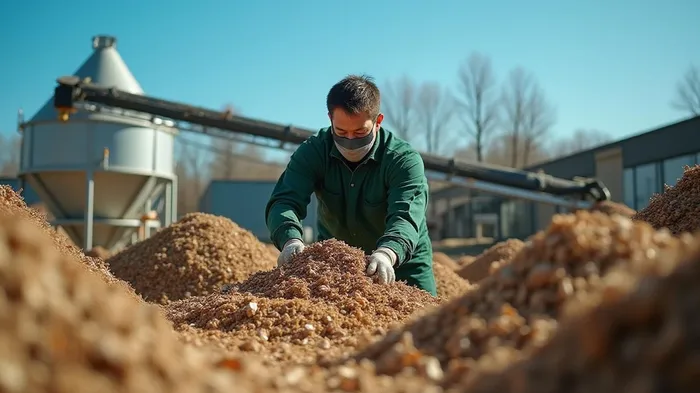
The letter emphasizes scalability, suggesting the model can be replicated beyond Florida. Yet, critical details are missing: How will SGD leverage its real estate expertise to expand? What regulatory hurdles exist in new markets? And with no mention of profit margins or cash flow, investors are left to wonder whether Resource Group’s growth is sustainable.
Financial Projections: Revenue Growth vs. Shareholder Dilution
Resource Group’s revenue surged from $16 million in 2023 to $19.1 million in 2024, a 19.4% increase. Post-acquisition, SGD projects pro forma 2025 revenue of $25 million, a 31% jump from 2024. However, this figure excludes SGD’s standalone financials, making it impossible to gauge how much of this growth is organic versus acquired.
The transaction’s structure is equally pivotal. Resource Group’s owners will receive 49% of SGD’s outstanding shares—19% in restricted stock and the remainder via a convertible note. This dilution is significant, and while management calls it a “necessary trade-off,” shareholders may question whether the price aligns with intrinsic value.
Risks and Uncertainties: The Devil in the Details
- Profitability Gaps: The letter provides no insight into Resource Group’s margins, expenses, or debt. A company can grow revenue without turning a profit, and without cost controls, the $25 million revenue target may not translate to meaningful earnings.
- Valuation Opacity: No acquisition price or valuation metrics (e.g., revenue multiple) are disclosed. Without this, investors cannot assess whether SGD is overpaying for a risky, unproven business.
- Integration Challenges: SGD’s real estate experience may not directly apply to composting operations. The letter’s vague references to “redeveloping land for facilities” lack specifics on capital requirements, timelines, or partnerships.
- Regulatory Hurdles: Composting facilities often face permitting delays and community opposition. The Florida market’s $3.2 billion potential is impressive, but capturing even a fraction of it requires navigating these obstacles.
Conclusion: A High-Reward, High-Risk Gamble
SGD’s pivot to the composting industry is undeniably bold. Florida’s $3.2 billion market represents a compelling opportunity, and Resource Group’s technology could give SGD a competitive edge. However, the deal’s success hinges on transparency: investors need clarity on valuation, profitability, and execution risks.
The shareholder letter paints an optimistic picture, but without data on margins, debt, or integration plans, the “intrinsic value” cited by management remains speculative. Existing shareholders face significant dilution, while the convertible note’s terms could further complicate governance.
For now, the acquisition’s transformative potential is tempered by critical unknowns. Investors should proceed with caution, monitoring the SEC proxy filing for details on valuation and governance—and wait for proof that SGD can turn waste into wealth, not just wishful thinking.





Comentarios
Aún no hay comentarios