
RXO, Inc. Shareholder Litigation Risks and Investment Implications
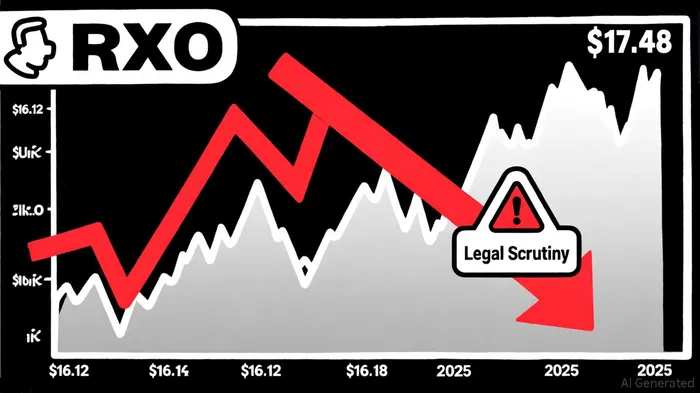
In the high-stakes arena of growth-stage consumer health companies, RXORXO--, Inc. stands at a crossroads. While its corporate governance framework appears robust on paper—featuring a Nominating, Governance, and Sustainability Committee, a Clawback Policy, and a Corporate Governance Guidelines document[1]—the company is now entangled in multiple investigations for alleged violations of U.S. federal securities laws. Robbins Geller Rudman & Dowd LLP and Johnson Fistel have launched probes into RXO's disclosures, alleging misleading statements that may have artificially inflated investor confidence[2]. These legal challenges, coupled with a recent net loss of -$9M despite a 56.96% year-on-year revenue surge[3], underscore the fragility of RXO's financial and governance model.
Corporate Governance: Structure vs. Substance
RXO's board employs a classified structure, with directors divided into staggered classes to ensure continuity[4]. While this design can stabilize leadership, it also raises concerns about shareholder influence. For instance, Class II and III directors, including names like Christine Breves and Adrian Kingshott, face re-election in 2025[4]. Such staggered terms can delay board turnover, potentially entrenching leadership even amid governance controversies.
The absence of confirmed dual-class voting in RXO's structure is notable. While dual-class systems are common in Silicon Valley's growth-stage firms[5], their absence here does not eliminate risks. Classified boards alone can dilute shareholder power, as seen in RXO's recent proxy statement, which emphasizes director re-election without addressing dissent[4]. This dynamic mirrors broader trends in the consumer health sector, where 54.1% of Silicon Valley companies adopted classified boards by 2024[5], often to shield strategic decisions from short-term shareholder pressures.
Legal Vulnerabilities and Industry Parallels
RXO's legal troubles align with systemic risks in the consumer health industry. For example, the FTC's 2024 Health Breach Notification Rule expanded protections for health data, penalizing unauthorized disclosures[6]. If RXO's operations involve digital health tools or data-sharing partnerships, its compliance with these rules will be critical. The FTC's enforcement actions against companies like GoodRx and BetterHelp—over allegations of unconsented data sharing—serve as cautionary tales[6].
Moreover, RXO's financial performance—high revenue growth paired with unprofitability—echoes patterns seen in other growth-stage firms. UnitedHealth Group, for instance, faced a $119 billion market value drop after a CEO's death triggered strategic shifts and alleged disclosure failures[7]. While RXO's situation differs, the lesson is clear: abrupt changes in leadership or strategy without transparent communication can trigger shareholder lawsuits and regulatory scrutiny.
ESG Integration: A Double-Edged Sword
RXO's ESG initiatives, including carbon-reduction efforts and workplace inclusivity programs[1], reflect industry trends. However, ESG commitments are increasingly subject to legal mandates. For example, California now requires board diversity[8], and the SEC's 2025 policy on mandatory arbitration[5] signals a regulatory shift toward streamlining investor disputes. While these policies aim to enhance accountability, they also raise the stakes for companies like RXO, where ESG claims must be rigorously substantiated to avoid litigation.
Investment Implications
For investors, RXO's situation highlights three key risks:
1. Litigation Exposure: The ongoing investigations could lead to class-action lawsuits, fines, or reputational damage.
2. Governance Entrenchment: A classified board may prioritize long-term strategic goals over shareholder interests, limiting accountability.
3. Regulatory Volatility: Evolving FTC and SEC rules could force costly compliance overhauls, particularly in data privacy and ESG reporting.
Conclusion
RXO, Inc. exemplifies the dual-edged nature of growth-stage consumer health companies: innovative potential paired with governance and legal vulnerabilities. While its ESG initiatives and classified board structure align with industry norms, the current litigation risks and financial instability warrant caution. Investors must weigh RXO's strategic resilience against the likelihood of regulatory and shareholder pushback—a balancing act that defines the sector's high-risk, high-reward profile.





Comentarios
Aún no hay comentarios