
RWE Ruling: A Watershed Moment for Climate Litigation and the New Rules of ESG Investing
The recent dismissal of the landmarkLARK-- RWE AG climate liability case has sent shockwaves through global markets, but beneath the headlines lies a seismic shift in legal accountability. While the Higher Regional Court of Hamm ruled against Peruvian farmer Saúl Luciano Lliuya's claim that RWE's emissions contributed to glacial melting threatening his home, the very fact that this case reached the evidentiary stage—and inspired over 2,300 climate lawsuits since 2015—signals a turning point for fossil fuel companies and investors. The era of unchecked carbon liability is ending, and portfolios must adapt.
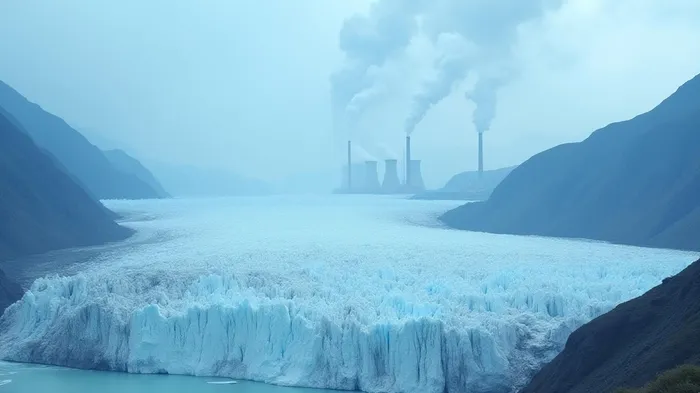
The Legal Sword of Damocles: Risks for Fossil Fuel Firms
The RWE case, which began in 2015, marked the first time a court in an industrialized nation considered holding a fossil fuel company liable for climate damages occurring beyond its borders. Though dismissed in May 2025, the ruling did not extinguish the precedent set by the 2017 reversal of the initial dismissal. That decision affirmed that corporations could be held accountable for climate-related harm under the transboundary harm principle—a legal standard rooted in the 1938 Trail Smelter Case.
The implications are stark:
- Quantifiable Emissions = Quantifiable Liability: RWE's 0.47% share of global emissions since 1751 became a focal point. Even if courts demand “higher bars” for proof of causation, the sheer scale of historical emissions by fossil fuel majors makes them vulnerable to future lawsuits.
- A Flood of Litigation: Over 85% of Andean glacial retreat is now scientifically attributed to human activity. As attribution science improves, expect more cases like Lliuya v. RWE—this time with plaintiffs armed with better data.
- Investor Beware: The dismissal won't deter activists. Lawsuits are now targeting U.S. states (e.g., Minnesota v. ExxonMobil) and banks funding fossil fuels. shows a clear divergence—investors are already pricing in risk.
The Opportunity: Investing in Climate Resilience
While fossil fuel stocks falter, the climate resilience sector is booming. The RWE ruling underscores a structural shift: investors must pivot to firms mitigating climate impacts, not just reducing emissions. Here's where capital should flow:
- Infrastructure Resilience: Companies like Cementos Molins (Spain) and AECOM (U.S.) are engineering flood defenses, drought-resistant grids, and carbon-neutral construction.
- Water Management: Xylem Inc. and Veolia are pioneers in water recycling and flood detection systems.
- Climate Tech: Startups like ClimaCell (weather prediction) and BreezoMeter (air quality analytics) are indispensable for risk assessment.
The Write-Off Is Coming—Act Now
The RWE case is a canary in the coal mine. Even if courts initially set high bars for liability, the legal pendulum is swinging. Consider:
- Stranded Assets: Fossil fuel reserves may become uneconomic as lawsuits force companies to fund adaptation or face compensation claims.
- ESG Reckoning: Investors are demanding transparency. Firms like Shell and BP face shareholder revolts over inadequate climate plans.
- Regulatory Tsunami: The EU's proposed Climate Damage Fund and carbon border taxes will accelerate the shift.
Portfolio Action: Divest, Redirect, Outperform
The message is clear: Fossil fuels are no longer “too big to fail”—they're too exposed to fail.
- Divest: Sell positions in coal-heavy firms like Peabody Energy and underperforming oil majors.
- Allocate: Invest in resilience ETFs like ARKW (disruptive innovation) and sector-specific plays like S&P 500 Climate Resilience Index.
- Target: Back firms with patent portfolios in adaptation tech—3M's water filtration or Siemens' smart grids.
Conclusion: The Climate Litigation Era Is Here—Adapt or Perish
The RWE ruling is a warning shot. Even a dismissal can't stop the tidal wave of climate accountability. Investors who cling to fossil fuels risk obsolescence. The path forward is clear: divest from the liabilities of the past and stake your future in the resilience economy. The courts have spoken—the market will follow.
The writing is on the wall. The question is: Are you reading it?







Comentarios
Aún no hay comentarios