
Rwanda-Backed Rebels Claim Control of Strategic Congolese City
Generado por agente de IAHarrison Brooks
lunes, 27 de enero de 2025, 12:29 am ET2 min de lectura
F--
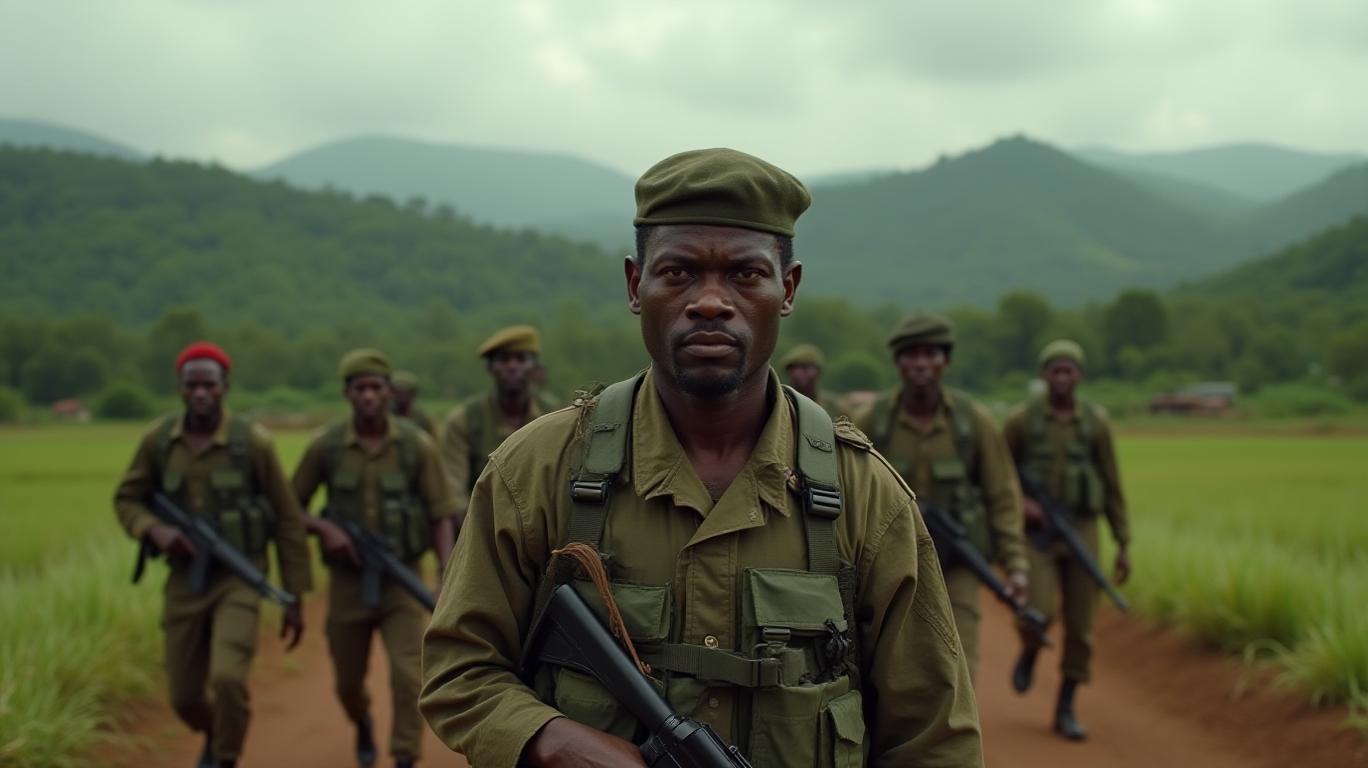
The recent seizure of the town of Masisi in the Democratic Republic of Congo (DRC) by Rwanda-backed rebels has significant political, humanitarian, and security implications. The M23 rebel group, which has been active since 2012, claims to be fighting for the rights of the Tutsi population, who have historically faced persecution in eastern DRC. However, the narrative of liberation is overshadowed by accusations against Rwanda and the M23 of exploiting the DRC’s abundant natural resources, particularly minerals like gold, cobalt, and tantalum. These minerals are essential for the manufacturing of electronic devices and electric vehicles, further complicating the geopolitical dynamics at play.
The capture of Masisi has already led to dire humanitarian consequences. Alexis Bahunga, a member of the North Kivu provincial assembly, pointed out that the seizure has plunged the territory into a serious humanitarian crisis. As battles intensify, civilians are bearing the brunt of the conflict, with hundreds of thousands already displaced. Humanitarian organizations are struggling to provide assistance to those affected, leaving many vulnerable and without basic necessities such as food, water, and shelter.
Moreover, the political landscape in DRC is under immense strain. Talks aimed at easing tensions between DRC President Félix Tshisekedi and Rwandan President Paul Kagame have stalled, exacerbating the conflict. Angola’s mediating efforts have so far proven unsuccessful, leaving both nations at an impasse. This deadlock not only hampers the potential for a peaceful resolution but also reduces the chances of stability returning to the region.
The international community must be vigilant about the broader implications of these developments. As the conflict in eastern DRC escalates, there is a risk of increasing regional instability that could spill over into neighboring countries. The historical context of DRC’s conflicts showcases how quickly unrest can escalate and spread, resulting in a significant regional crisis.
The involvement of foreign powers, particularly Rwanda, highlights the complexities of intervention in civil conflicts. Although Rwanda argues that it intervenes to protect its national security interests and support ethnically linked groups, its involvement raises moral and ethical questions regarding sovereignty and the rights of the Congolese people. Critics of Rwanda’s actions argue that its role in supporting the M23 is primarily motivated by economic gain through the looting of resources, rather than genuine humanitarian concerns.
What can we learn from this situation? The international community, including NGOs, local governments, and foreign stakeholders, must advance strategic dialogues that take into account the intricate historical relationships among these nations. Increased diplomatic pressure and the establishment of multilateral talks involving all affected parties could be a pathway to negotiating an end to hostilities.
It’s also crucial for global organizations to focus on the humanitarian aspect of this crisis. Efforts should be concentrated on providing immediate support for displaced populations and addressing the pressing needs for food, medical care, and mental health resources. As the crisis deepens, raising awareness about the conditions faced by those affected is essential to garnering international support.
Furthermore, consumers and companies engaged in industries reliant on minerals sourced from conflict regions must prioritize ethical sourcing and transparency. Increasing awareness regarding “blood minerals” can empower consumers to make informed choices, compelling industries to take responsibility in ensuring their supply chains are free from conflict contributions. The recent lawsuit against Apple highlights the importance of corporate accountability in the face of human rights violations.
As the M23 continues its campaign in eastern DRC, the imperative for multi-faceted discussions cannot be overstated. The interplay between local grievances, regional security, and international interests must be carefully navigated to prevent further escalation of the conflict. There is a need for a collective approach that champions diplomacy, emphasizes humanitarian assistance, and ensures ethical practices in resource extraction.
In conclusion, the seizure of Masisi underscores a critical moment for eastern DRC, raising alarms about escalating violence, humanitarian crises, and complex international relations. Stakeholders must remain vigilant and proactive in advocating for peaceful resolutions while addressing the needs of affected communities. A comprehensive, collaborative approach can help mitigate the risks and promote stability in the region.
The recent seizure of the town of Masisi in the Democratic Republic of Congo (DRC) by Rwanda-backed rebels has significant political, humanitarian, and security implications. The M23 rebel group, which has been active since 2012, claims to be fighting for the rights of the Tutsi population, who have historically faced persecution in eastern DRC. However, the narrative of liberation is overshadowed by accusations against Rwanda and the M23 of exploiting the DRC’s abundant natural resources, particularly minerals like gold, cobalt, and tantalum. These minerals are essential for the manufacturing of electronic devices and electric vehicles, further complicating the geopolitical dynamics at play.
The capture of Masisi has already led to dire humanitarian consequences. Alexis Bahunga, a member of the North Kivu provincial assembly, pointed out that the seizure has plunged the territory into a serious humanitarian crisis. As battles intensify, civilians are bearing the brunt of the conflict, with hundreds of thousands already displaced. Humanitarian organizations are struggling to provide assistance to those affected, leaving many vulnerable and without basic necessities such as food, water, and shelter.
Moreover, the political landscape in DRC is under immense strain. Talks aimed at easing tensions between DRC President Félix Tshisekedi and Rwandan President Paul Kagame have stalled, exacerbating the conflict. Angola’s mediating efforts have so far proven unsuccessful, leaving both nations at an impasse. This deadlock not only hampers the potential for a peaceful resolution but also reduces the chances of stability returning to the region.
The international community must be vigilant about the broader implications of these developments. As the conflict in eastern DRC escalates, there is a risk of increasing regional instability that could spill over into neighboring countries. The historical context of DRC’s conflicts showcases how quickly unrest can escalate and spread, resulting in a significant regional crisis.
The involvement of foreign powers, particularly Rwanda, highlights the complexities of intervention in civil conflicts. Although Rwanda argues that it intervenes to protect its national security interests and support ethnically linked groups, its involvement raises moral and ethical questions regarding sovereignty and the rights of the Congolese people. Critics of Rwanda’s actions argue that its role in supporting the M23 is primarily motivated by economic gain through the looting of resources, rather than genuine humanitarian concerns.
What can we learn from this situation? The international community, including NGOs, local governments, and foreign stakeholders, must advance strategic dialogues that take into account the intricate historical relationships among these nations. Increased diplomatic pressure and the establishment of multilateral talks involving all affected parties could be a pathway to negotiating an end to hostilities.
It’s also crucial for global organizations to focus on the humanitarian aspect of this crisis. Efforts should be concentrated on providing immediate support for displaced populations and addressing the pressing needs for food, medical care, and mental health resources. As the crisis deepens, raising awareness about the conditions faced by those affected is essential to garnering international support.
Furthermore, consumers and companies engaged in industries reliant on minerals sourced from conflict regions must prioritize ethical sourcing and transparency. Increasing awareness regarding “blood minerals” can empower consumers to make informed choices, compelling industries to take responsibility in ensuring their supply chains are free from conflict contributions. The recent lawsuit against Apple highlights the importance of corporate accountability in the face of human rights violations.
As the M23 continues its campaign in eastern DRC, the imperative for multi-faceted discussions cannot be overstated. The interplay between local grievances, regional security, and international interests must be carefully navigated to prevent further escalation of the conflict. There is a need for a collective approach that champions diplomacy, emphasizes humanitarian assistance, and ensures ethical practices in resource extraction.
In conclusion, the seizure of Masisi underscores a critical moment for eastern DRC, raising alarms about escalating violence, humanitarian crises, and complex international relations. Stakeholders must remain vigilant and proactive in advocating for peaceful resolutions while addressing the needs of affected communities. A comprehensive, collaborative approach can help mitigate the risks and promote stability in the region.

Divulgación editorial y transparencia de la IA: Ainvest News utiliza tecnología avanzada de Modelos de Lenguaje Largo (LLM) para sintetizar y analizar datos de mercado en tiempo real. Para garantizar los más altos estándares de integridad, cada artículo se somete a un riguroso proceso de verificación con participación humana.
Mientras la IA asiste en el procesamiento de datos y la redacción inicial, un miembro editorial profesional de Ainvest revisa, verifica y aprueba de forma independiente todo el contenido para garantizar su precisión y cumplimiento con los estándares editoriales de Ainvest Fintech Inc. Esta supervisión humana está diseñada para mitigar las alucinaciones de la IA y garantizar el contexto financiero.
Advertencia sobre inversiones: Este contenido se proporciona únicamente con fines informativos y no constituye asesoramiento profesional de inversión, legal o financiero. Los mercados conllevan riesgos inherentes. Se recomienda a los usuarios que realicen una investigación independiente o consulten a un asesor financiero certificado antes de tomar cualquier decisión. Ainvest Fintech Inc. se exime de toda responsabilidad por las acciones tomadas con base en esta información. ¿Encontró un error? Reportar un problema


SOBRE NOSOTROS
Nuestra historiaAutores de noticiasBase de conocimientosPolítica de privacidadTérmino de usoDescargo de responsabilidad de corretaje de tercerosTérminos de uso de AIMEDivulgaciones de riesgos de AInvest AICarrerasCONTÁCTENOS
Email: support@ainvest.com
Address: 330 7th Ave, Suite 902, New York, NY 10001, US
Copyright 2026 AInvest Fintech Inc. All rights reserved.


Comentarios
Aún no hay comentarios