
Russian Ministry of Defense: Our forces have taken control of the village of Karpovka in Donetsk
Russian Ministry of Defense: Our forces have taken control of the village of Karpovka in Donetsk
Russian Forces Reportedly Capture Karpovka in Donetsk Region Amid Ongoing Conflict
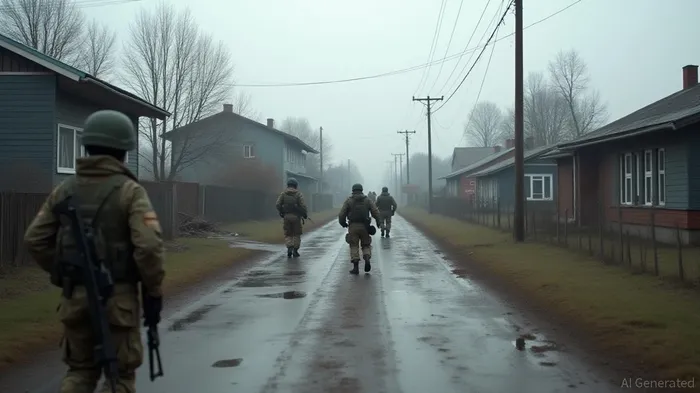
The Russian Ministry of Defense announced on February 21, 2026, that its forces have taken control of the village of Karpovka in Ukraine’s Donetsk region, marking the latest reported advancement in the protracted conflict. While the claim has not been independently verified, similar assertions by Russian authorities have been documented in recent months, including the capture of settlements such as Petropavlivka and Vremivka, as well as Berezivka.
Ukrainian military statements have typically contested or downplayed such claims. For instance, a spokesperson for Ukraine’s eastern forces previously dismissed reports of Russian advances into Pokrovsk, stating, “There have been no developments in Pokrovsk, things are stable” according to Reuters. However, independent tracking platforms like the Deep State blog, which analyzes open-source data, have corroborated some Russian territorial gains, including the recent capture of Berezivka.
The strategic significance of Karpovka remains unclear, but the broader Russian campaign in Donetsk and Luhansk regions appears focused on consolidating control over key logistical routes. Russian forces have been advancing along roads connecting Pokrovsk to Kostiantynivka, critical hubs for transportation and mining. This effort has disrupted Ukrainian supply lines, with convoys frequently targeted by drone strikes.
The Russian Ministry of Defense has also emphasized strikes on Ukrainian military infrastructure, including energy facilities and ammunition depots, as part of its operations. Meanwhile, Ukrainian forces reported repelling over 100 Russian offensives in a single day earlier this month, highlighting the intensity of recent clashes.
With Russia now reportedly controlling approximately 20% of Ukrainian territory, the conflict’s economic and financial implications remain significant. Infrastructure damage, displacement of populations, and prolonged military spending continue to strain both economies. Investors and analysts are closely monitoring developments, as territorial shifts could further impact regional stability and global energy markets.
As the war enters its fourth year, independent verification of battlefield claims remains challenging, with both sides relying on state-controlled media and unconfirmed reports to shape narratives.






Comentarios
Aún no hay comentarios