
Russian LNG Shipment Lands in Spain Amidst US Sanctions
Generado por agente de IACyrus Cole
lunes, 13 de enero de 2025, 11:21 pm ET2 min de lectura
FOSL--
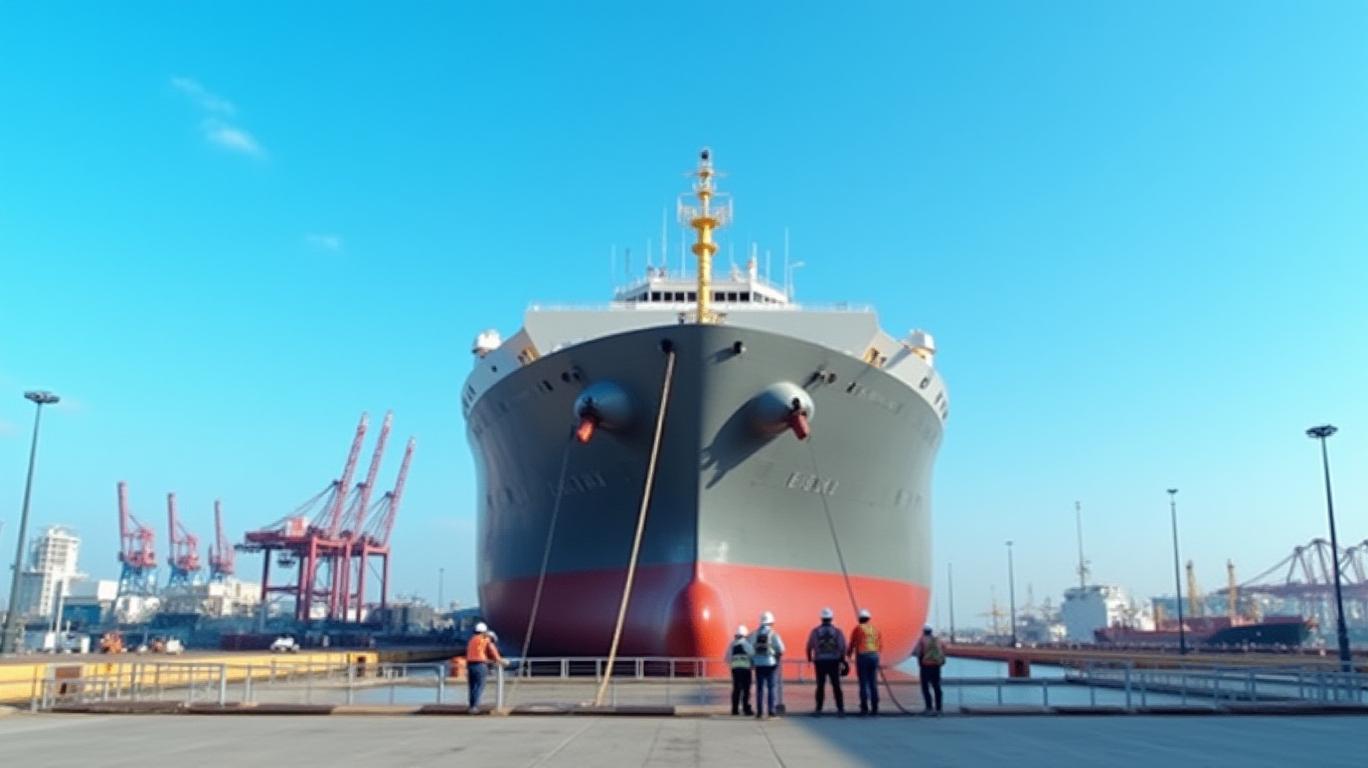
In a move that highlights the complex geopolitical dynamics surrounding energy, a Russian liquefied natural gas (LNG) shipment has arrived in Spain, despite new US sanctions targeting Russia's energy sector. The shipment, which landed in the Spanish port of Huelva on April 10, 2024, is part of a long-term contract between Russia's Novatek and Spain's Enagás. This development comes amidst the US's latest round of sanctions, which aim to further isolate Russia's energy industry and cut off funding for its war in Ukraine.
The US sanctions, announced on April 8, 2024, target nearly 80 entities and individuals involved in Russia's energy sector, including those engaged in the active production and export of LNG. The sanctions aim to degrade Putin's ability to fund his illegal war against Ukraine by reducing revenues from Russia's energy resources. However, the arrival of the Russian LNG shipment in Spain raises questions about the effectiveness of these sanctions and the potential consequences for Europe's energy security.
According to data from S&P Global, Russia supplied 4.89 million mt of LNG to Europe in the first four months of 2024, representing more than 16% of the Continent's total LNG supply. Spain, France, and Belgium were the European countries to take in most of the volumes, with Spain receiving around 32% of its LNG imports from Russia. This reliance on Russian LNG raises concerns about Europe's energy security and its ability to diversify its energy sources.
The Spanish government has stated that it has no plans to diversify away from Russian LNG, citing the need for collective action among EU member states. However, this stance may change as the EU continues to grapple with the implications of the Russia-Ukraine conflict and the need to reduce its dependence on Russian energy. The EU has set a goal of ending its reliance on Russian fossil fuels by 2027, but the arrival of Russian LNG shipments in Spain highlights the challenges of achieving this objective.
The potential consequences of Spain continuing to import Russian LNG are significant. Spain's reliance on Russian LNG could lead to a continued economic dependence on Russia, potentially straining its relationships with other EU member states. Additionally, Russia may retaliate against Spain's continued imports, potentially leading to disruptions in supply or increased prices. This could have knock-on effects on global LNG markets and geopolitics, as Europe's demand for LNG remains high.
In conclusion, the arrival of a Russian LNG shipment in Spain amidst US sanctions highlights the complex geopolitical dynamics surrounding energy and the challenges of reducing Europe's dependence on Russian fossil fuels. As the EU continues to grapple with the implications of the Russia-Ukraine conflict, it must address the challenges of diversifying its energy sources and ensuring its energy security. The potential consequences of Spain continuing to import Russian LNG are significant, and the EU must work together to find a solution that balances the need for energy security with the goal of reducing its dependence on Russian fossil fuels.
NVMI--
In a move that highlights the complex geopolitical dynamics surrounding energy, a Russian liquefied natural gas (LNG) shipment has arrived in Spain, despite new US sanctions targeting Russia's energy sector. The shipment, which landed in the Spanish port of Huelva on April 10, 2024, is part of a long-term contract between Russia's Novatek and Spain's Enagás. This development comes amidst the US's latest round of sanctions, which aim to further isolate Russia's energy industry and cut off funding for its war in Ukraine.
The US sanctions, announced on April 8, 2024, target nearly 80 entities and individuals involved in Russia's energy sector, including those engaged in the active production and export of LNG. The sanctions aim to degrade Putin's ability to fund his illegal war against Ukraine by reducing revenues from Russia's energy resources. However, the arrival of the Russian LNG shipment in Spain raises questions about the effectiveness of these sanctions and the potential consequences for Europe's energy security.
According to data from S&P Global, Russia supplied 4.89 million mt of LNG to Europe in the first four months of 2024, representing more than 16% of the Continent's total LNG supply. Spain, France, and Belgium were the European countries to take in most of the volumes, with Spain receiving around 32% of its LNG imports from Russia. This reliance on Russian LNG raises concerns about Europe's energy security and its ability to diversify its energy sources.
The Spanish government has stated that it has no plans to diversify away from Russian LNG, citing the need for collective action among EU member states. However, this stance may change as the EU continues to grapple with the implications of the Russia-Ukraine conflict and the need to reduce its dependence on Russian energy. The EU has set a goal of ending its reliance on Russian fossil fuels by 2027, but the arrival of Russian LNG shipments in Spain highlights the challenges of achieving this objective.
The potential consequences of Spain continuing to import Russian LNG are significant. Spain's reliance on Russian LNG could lead to a continued economic dependence on Russia, potentially straining its relationships with other EU member states. Additionally, Russia may retaliate against Spain's continued imports, potentially leading to disruptions in supply or increased prices. This could have knock-on effects on global LNG markets and geopolitics, as Europe's demand for LNG remains high.
In conclusion, the arrival of a Russian LNG shipment in Spain amidst US sanctions highlights the complex geopolitical dynamics surrounding energy and the challenges of reducing Europe's dependence on Russian fossil fuels. As the EU continues to grapple with the implications of the Russia-Ukraine conflict, it must address the challenges of diversifying its energy sources and ensuring its energy security. The potential consequences of Spain continuing to import Russian LNG are significant, and the EU must work together to find a solution that balances the need for energy security with the goal of reducing its dependence on Russian fossil fuels.

Divulgación editorial y transparencia de la IA: Ainvest News utiliza tecnología avanzada de Modelos de Lenguaje Largo (LLM) para sintetizar y analizar datos de mercado en tiempo real. Para garantizar los más altos estándares de integridad, cada artículo se somete a un riguroso proceso de verificación con participación humana.
Mientras la IA asiste en el procesamiento de datos y la redacción inicial, un miembro editorial profesional de Ainvest revisa, verifica y aprueba de forma independiente todo el contenido para garantizar su precisión y cumplimiento con los estándares editoriales de Ainvest Fintech Inc. Esta supervisión humana está diseñada para mitigar las alucinaciones de la IA y garantizar el contexto financiero.
Advertencia sobre inversiones: Este contenido se proporciona únicamente con fines informativos y no constituye asesoramiento profesional de inversión, legal o financiero. Los mercados conllevan riesgos inherentes. Se recomienda a los usuarios que realicen una investigación independiente o consulten a un asesor financiero certificado antes de tomar cualquier decisión. Ainvest Fintech Inc. se exime de toda responsabilidad por las acciones tomadas con base en esta información. ¿Encontró un error? Reportar un problema




Comentarios
Aún no hay comentarios