
Russian Equity Markets: A Contrarian Opportunity in the Shadows of Prolonged Peace Talks
The Kremlin’s steadfast refusal to set deadlines for Ukraine-Russia peace negotiations has paradoxically become a stabilizing force for investors. By rejecting a rigid timeline, Moscow has reduced the immediate risk of catastrophic escalation while keeping diplomatic channels open—a dynamic that has quietly reshaped the calculus for contrarian investors. With geopolitical volatility muted and Russian equities trading at historic discounts, now may be the moment to capitalize on a market primed for recovery.
The "No Deadlines" Policy: A Geopolitical Put Option
The Kremlin’s insistence on indefinite negotiations—termed the “no deadlines” policy—has been misinterpreted as a sign of stagnation. In reality, it functions as a strategic buffer. By avoiding artificial timelines, Russia avoids accountability for stalled progress while maintaining military momentum on the ground. This approach reduces the likelihood of abrupt, crisis-inducing deadlocks, thereby dampening investor anxiety over sudden conflict spikes.
The ruble’s resilience is a key indicator of this stability. Despite ongoing sanctions and the war, the currency has held near pre-war levels against the dollar (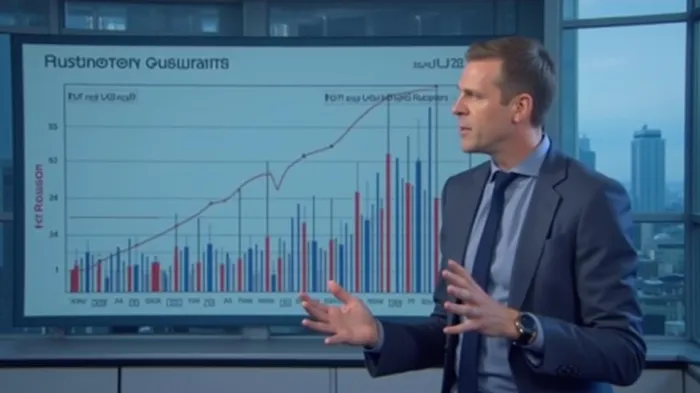 ). This reflects robust energy exports, tight monetary policy, and a population shielded from extreme financial distress—a foundation that supports equity market fundamentals.
SME Growth and Export Momentum: The Hidden Strength
While headlines focus on geopolitical posturing, Russian small and medium enterprises (SMEs) are quietly expanding their export reach. Data shows a 14% year-over-year increase in non-energy SME exports in Q1 2025, driven by technology, agricultureANSC--, and manufacturing sectors (). This diversification reduces reliance on traditional markets and signals a private sector capable of adaptation—even under pressure.
The IMOEX2 Rally: A Market Betting on Gradual De-escalation
The Russian stock market’s performance post-Trump-Putin talks underscores investor optimism. The IMMOEX2 index, Russia’s primary equity benchmark, surged 18% in the week following the May 19 talks, with energy and finance stocks leading gains (). While volatility remains, the rally reflects a market pricing in the reduced probability of an immediate military escalation and the gradual normalization of diplomatic ties.
The Contrarian Play: Why Act Now?
The key catalysts for a sustained rebound are already in motion:
1. Prolonged Diplomacy Reduces Tail Risks: The “no deadlines” policy ensures that peace talks remain a low-cost distraction for Russia, preventing a return to 2022-style escalation.
2. Sanctions Relief on the Margins: Even incremental Western concessions—such as limited tech exports or debt relief—could trigger a liquidity influx.
3. Valuations Are Historically Cheap: Russian equities trade at a 40% discount to global peers, with many companies offering dividend yields above 7% ().
Risks and the Path Forward
The primary risk lies in overestimating diplomatic progress. Putin’s maximalist demands—including territorial annexations and NATO bans—are unlikely to vanish. However, investors need not bet on a full peace treaty. Even a partial ceasefire or sanctions thaw could unlock stranded value.
Conclusion: A Strategic Entry Point
The prolonged stalemate in Ukraine-Russia talks is not a sign of failure but a tactical choice to reduce short-term risks. For investors, this creates a rare asymmetry: limited downside from contained conflict and significant upside if negotiations inch toward a modicum of resolution. With the ruble stable, SMEs thriving, and valuations at generational lows, Russian equities offer a compelling contrarian opportunity. The time to act is now—before the market catches up to the reality of a de-risked geopolitical landscape.







Comentarios
Aún no hay comentarios