
Russian Drone Attack in Odesa: Power Cuts Persist, Economic Impact Mounts
Generado por agente de IATheodore Quinn
martes, 4 de marzo de 2025, 5:38 pm ET1 min de lectura
COLD--
A Russian drone attack on the southern Ukrainian city of Odesa on February 19 has left at least four people injured, including a child, and triggered power cuts for the second consecutive day. The attack, which targeted a densely populated area, damaged a children's clinic, a kindergarten, high-riseHIGH-- buildings, and cars, according to Governor Oleh Kiper. The strike resulted in massive power outages, affecting 14 schools, 13 kindergartens, and over 500 houses, said Mayor Hennadiy Trukhanov.
The power outages have disrupted the lives of thousands of Odesa residents, with many left without heat and electricity during the coldCOLD-- winter months. Emergency power shutdowns are in effect elsewhere in Odesa Oblast, as relevant services work to resolve the situation. President Volodymyr Zelenskyy stated that at least 160,000 Odesa residents are now without heat and electricity.
The economic impact of the attack is significant, with businesses and industries affected by the power outages. The attack has also damaged critical infrastructure, including a children's clinic and a kindergarten, which may require substantial repairs and reconstruction. The total cost of the damage is yet to be determined, but it is expected to be substantial.
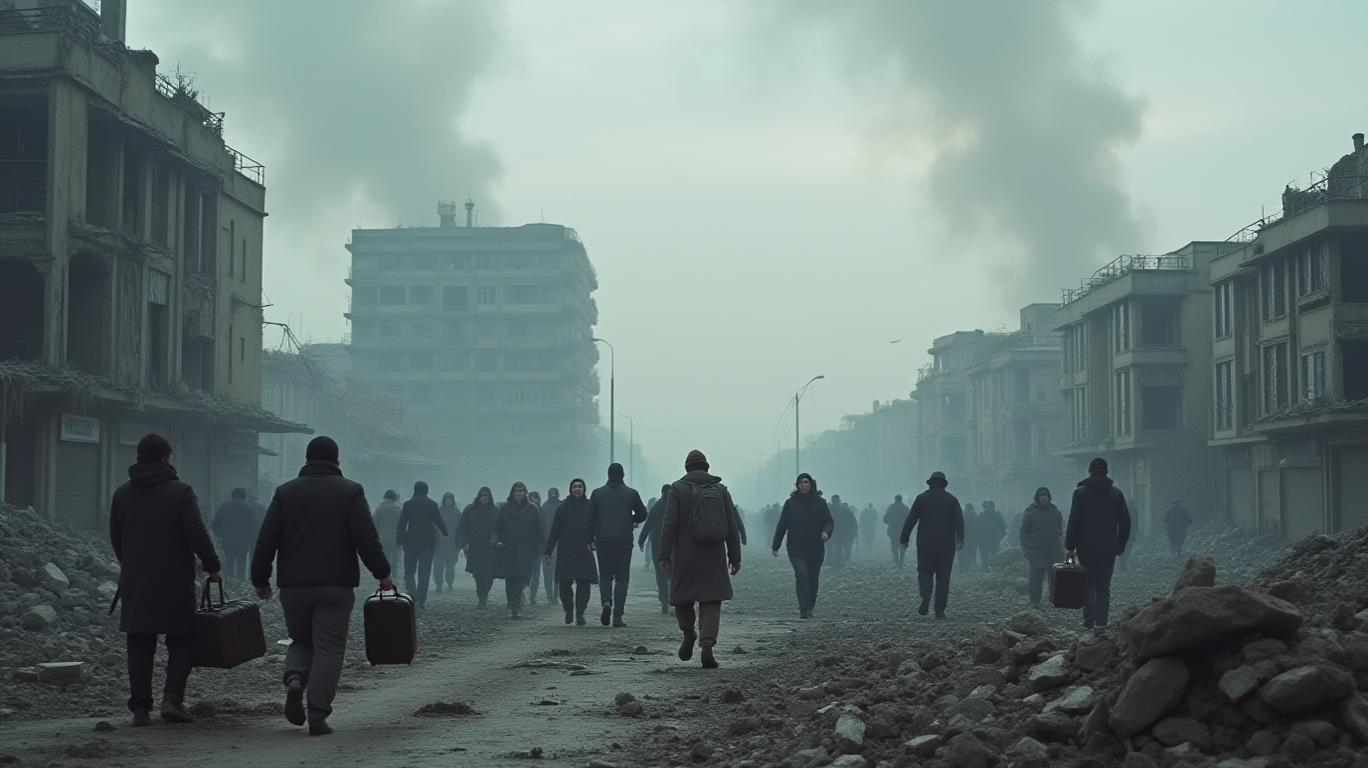
The Russian drone attack on Odesa is part of a broader pattern of Russian aggression against Ukraine, with the war entering its third year. The attack highlights the vulnerability of Ukraine's energy infrastructure and the need for increased investment in energy security and resilience. Ukraine and its allies must work together to strengthen air defense systems, harden targets, and diversify energy sources to mitigate the effects of Russian drone attacks and ensure energy security.
In conclusion, the Russian drone attack on Odesa has had significant economic and social impacts, with thousands of residents left without heat and electricity for the second day. The attack has also damaged critical infrastructure, with the total cost of the damage yet to be determined. The attack highlights the need for increased investment in energy security and resilience, as Ukraine and its allies work together to strengthen air defense systems, harden targets, and diversify energy sources.
HIGH--
A Russian drone attack on the southern Ukrainian city of Odesa on February 19 has left at least four people injured, including a child, and triggered power cuts for the second consecutive day. The attack, which targeted a densely populated area, damaged a children's clinic, a kindergarten, high-riseHIGH-- buildings, and cars, according to Governor Oleh Kiper. The strike resulted in massive power outages, affecting 14 schools, 13 kindergartens, and over 500 houses, said Mayor Hennadiy Trukhanov.
The power outages have disrupted the lives of thousands of Odesa residents, with many left without heat and electricity during the coldCOLD-- winter months. Emergency power shutdowns are in effect elsewhere in Odesa Oblast, as relevant services work to resolve the situation. President Volodymyr Zelenskyy stated that at least 160,000 Odesa residents are now without heat and electricity.
The economic impact of the attack is significant, with businesses and industries affected by the power outages. The attack has also damaged critical infrastructure, including a children's clinic and a kindergarten, which may require substantial repairs and reconstruction. The total cost of the damage is yet to be determined, but it is expected to be substantial.
The Russian drone attack on Odesa is part of a broader pattern of Russian aggression against Ukraine, with the war entering its third year. The attack highlights the vulnerability of Ukraine's energy infrastructure and the need for increased investment in energy security and resilience. Ukraine and its allies must work together to strengthen air defense systems, harden targets, and diversify energy sources to mitigate the effects of Russian drone attacks and ensure energy security.
In conclusion, the Russian drone attack on Odesa has had significant economic and social impacts, with thousands of residents left without heat and electricity for the second day. The attack has also damaged critical infrastructure, with the total cost of the damage yet to be determined. The attack highlights the need for increased investment in energy security and resilience, as Ukraine and its allies work together to strengthen air defense systems, harden targets, and diversify energy sources.

Divulgación editorial y transparencia de la IA: Ainvest News utiliza tecnología avanzada de Modelos de Lenguaje Largo (LLM) para sintetizar y analizar datos de mercado en tiempo real. Para garantizar los más altos estándares de integridad, cada artículo se somete a un riguroso proceso de verificación con participación humana.
Mientras la IA asiste en el procesamiento de datos y la redacción inicial, un miembro editorial profesional de Ainvest revisa, verifica y aprueba de forma independiente todo el contenido para garantizar su precisión y cumplimiento con los estándares editoriales de Ainvest Fintech Inc. Esta supervisión humana está diseñada para mitigar las alucinaciones de la IA y garantizar el contexto financiero.
Advertencia sobre inversiones: Este contenido se proporciona únicamente con fines informativos y no constituye asesoramiento profesional de inversión, legal o financiero. Los mercados conllevan riesgos inherentes. Se recomienda a los usuarios que realicen una investigación independiente o consulten a un asesor financiero certificado antes de tomar cualquier decisión. Ainvest Fintech Inc. se exime de toda responsabilidad por las acciones tomadas con base en esta información. ¿Encontró un error? Reportar un problema




Comentarios
Aún no hay comentarios