
Russian Central Bank Holds Key Rate at 21%, Catching Markets Off Guard
Generado por agente de IAWesley Park
viernes, 20 de diciembre de 2024, 6:30 am ET1 min de lectura
The Russian Central Bank surprised markets on Friday by keeping its key interest rate unchanged at 21%, defying expectations of a further hike to combat soaring inflation. The decision signals a shift in the bank's approach to managing the economy amidst geopolitical tensions and Western sanctions.
The Central Bank's decision to maintain the key rate at 21% comes as a surprise, as analysts had widely anticipated a 1% increase, following a 2% hike in October. The bank's governor, Elvira Nabiullina, had previously warned of "more drastic changes" in monetary policy to combat inflation, which has been driven by massive state spending, particularly on the military.
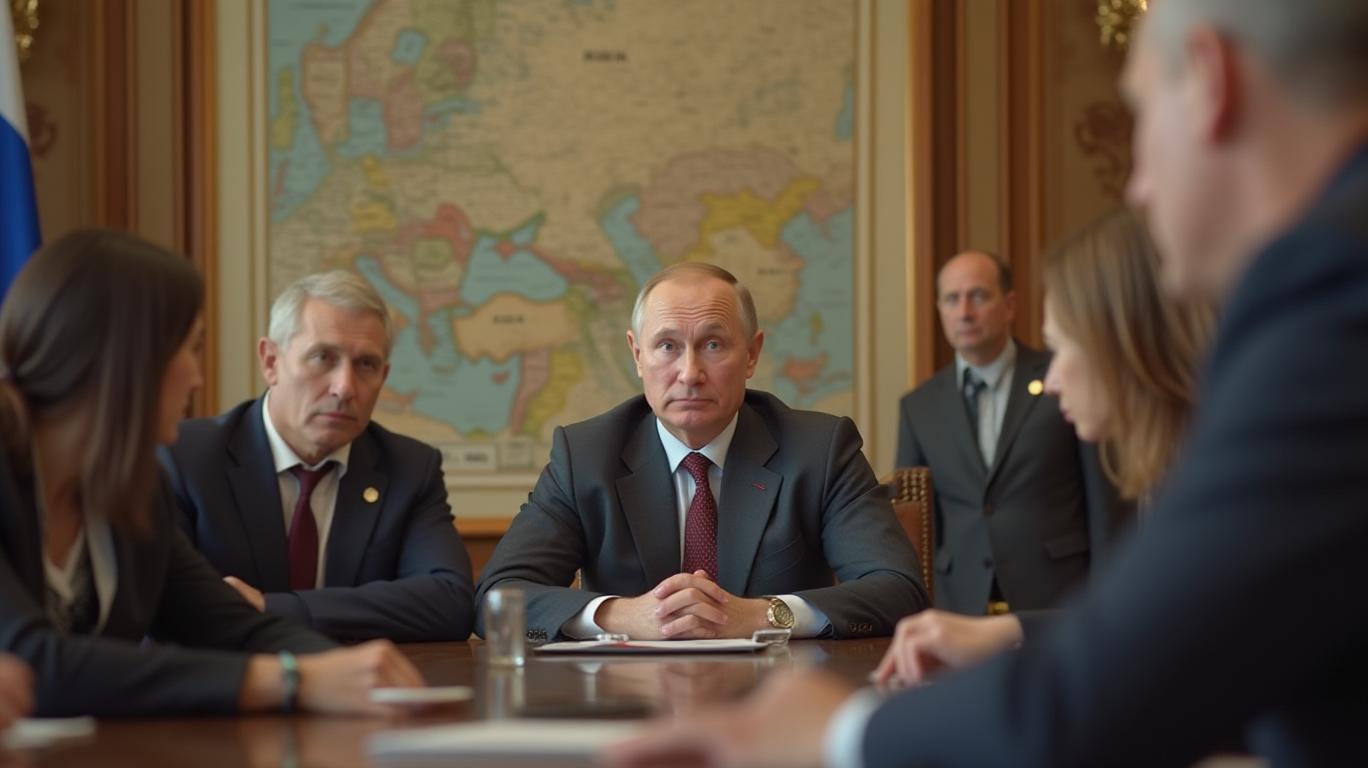
The bank's move highlights its commitment to controlling inflation, which currently stands at 8.4%. However, the decision to hold the rate at 21% suggests that the bank is now focusing more on stabilizing the economy and preventing a potential recession. The economy, though overheated, is showing signs of slowing growth, with consumption and investment growth decelerating.
The Central Bank's decision may boost consumer and business confidence, as it demonstrates the bank's resolve in managing the economy amidst geopolitical tensions and Western sanctions. However, it also highlights the challenges Russia faces in stabilizing its economy and controlling inflation.
The high interest rate has been a deterrent for foreign investment, given the current geopolitical tensions and sanctions. However, this decision may indicate a more cautious approach to monetary policy, potentially making Russia more attractive to foreign investors seeking higher yields. The Central Bank's focus on reducing inflation expectations and stabilizing the economy could also boost investor confidence.
The Russian ruble's exchange rate may strengthen as a result of the Central Bank's decision, making imports more expensive and exports cheaper. This could help to reduce the country's trade deficit. However, the long-term impact on the ruble's exchange rate and the economy remains uncertain, as the bank's decision may be influenced by geopolitical factors and the ongoing conflict in Ukraine.
In conclusion, the Russian Central Bank's decision to hold its key rate at 21% signals a shift in its approach to managing the economy amidst geopolitical tensions and Western sanctions. While the move may boost consumer and business confidence, it also highlights the challenges Russia faces in stabilizing its economy and controlling inflation. The decision may have implications for foreign investment and the Russian ruble's exchange rate, but the long-term impact remains uncertain.



Divulgación editorial y transparencia de la IA: Ainvest News utiliza tecnología avanzada de Modelos de Lenguaje Largo (LLM) para sintetizar y analizar datos de mercado en tiempo real. Para garantizar los más altos estándares de integridad, cada artículo se somete a un riguroso proceso de verificación con participación humana.
Mientras la IA asiste en el procesamiento de datos y la redacción inicial, un miembro editorial profesional de Ainvest revisa, verifica y aprueba de forma independiente todo el contenido para garantizar su precisión y cumplimiento con los estándares editoriales de Ainvest Fintech Inc. Esta supervisión humana está diseñada para mitigar las alucinaciones de la IA y garantizar el contexto financiero.
Advertencia sobre inversiones: Este contenido se proporciona únicamente con fines informativos y no constituye asesoramiento profesional de inversión, legal o financiero. Los mercados conllevan riesgos inherentes. Se recomienda a los usuarios que realicen una investigación independiente o consulten a un asesor financiero certificado antes de tomar cualquier decisión. Ainvest Fintech Inc. se exime de toda responsabilidad por las acciones tomadas con base en esta información. ¿Encontró un error? Reportar un problema


SOBRE NOSOTROS
Nuestra historiaAutores de noticiasBase de conocimientosPolítica de privacidadTérmino de usoDescargo de responsabilidad de corretaje de tercerosTérminos de uso de AIMEDivulgaciones de riesgos de AInvest AICarrerasCONTÁCTENOS
Email: support@ainvest.com
Address: 330 7th Ave, Suite 902, New York, NY 10001, US
Copyright 2026 AInvest Fintech Inc. All rights reserved.


Comentarios
Aún no hay comentarios