
Russia and U.S. Begin Talks on Ending War in Ukraine, but Europe Can't Agree on Peacekeeping Plan
Generado por agente de IATheodore Quinn
martes, 18 de febrero de 2025, 3:58 am ET1 min de lectura
TROO--
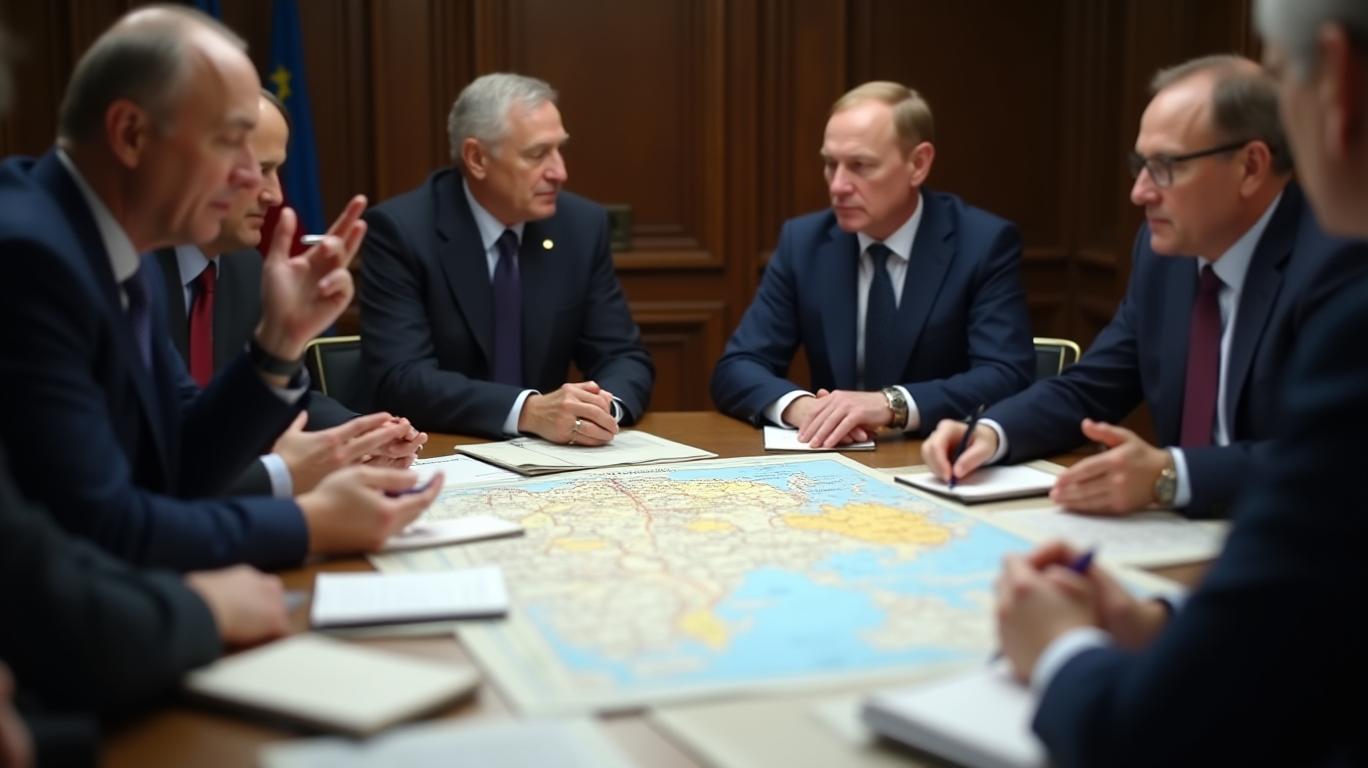
As Russia and the United States initiate discussions on ending the war in Ukraine, Europe finds itself grappling with internal divisions over a peacekeeping plan. The differing priorities and objectives of Russia, the U.S., and Europe have created a complex landscape, with each party seeking to maximize its interests. This article explores the challenges and implications of the potential deployment of European peacekeepers in Ukraine.
Differing Priorities and Objectives
Russia's primary goals remain the annexation of swaths of Ukraine and blocking Kyiv's ambitions to join NATO. The U.S., under President Donald Trump, appears focused on making a deal with Putin, potentially prioritizing a quick resolution over Ukraine's long-term security interests. European countries, particularly Britain and France, have been exploring the possibility of sending troops into Ukraine to help enforce any future peace settlement with Russia, aiming to provide security guarantees for Ukraine until peace takes hold.
Challenges in Establishing a Robust European Peacekeeping Force
Establishing a robust and effective European peacekeeping force in Ukraine faces several key challenges. These include determining the size and composition of the force, ensuring adequate training and equipment, addressing political and constitutional constraints, and managing potential Russian provocations. To address these challenges, European powers should work together to assess the security situation, agree on the appropriate force size and composition, invest in joint training exercises, engage with respective parliaments and populations, and maintain close coordination with Ukrainian forces and NATO.
Impact on the Balance of Power and European Security
The potential deployment of European peacekeepers could significantly impact the balance of power between Russia and the West, as well as the future of European security and cooperation. A robust peacekeeping force could serve as a deterrent to further Russian aggression, strengthen Ukraine's position in negotiations, and foster European unity. However, it also presents risks and challenges, such as Russian retaliation, mission creep, divisions within Europe, and a long-term commitment.
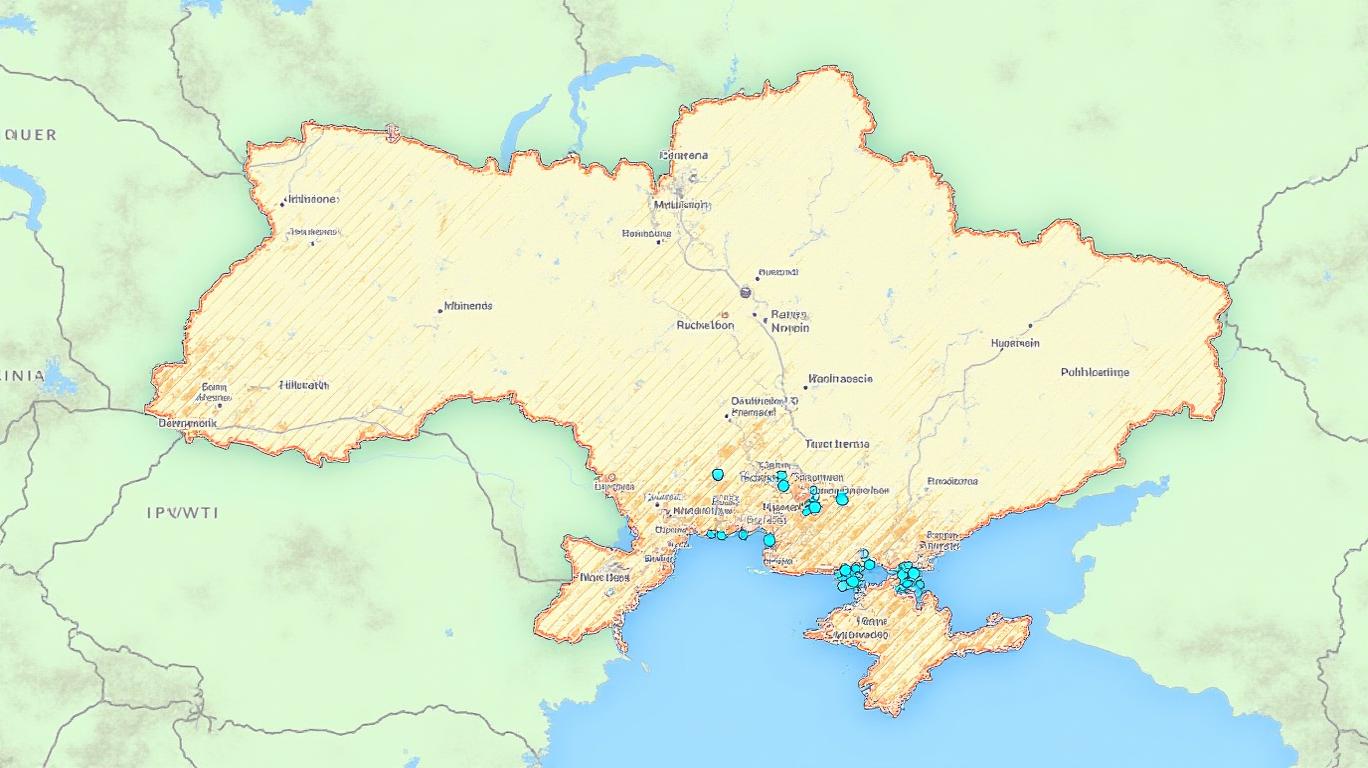
In conclusion, the potential deployment of European peacekeepers to Ukraine could have significant implications for the balance of power between Russia and the West, as well as the future of European security and cooperation. While it could help deter Russian aggression, strengthen Ukraine's position, and foster European unity, it also presents risks and challenges that must be carefully considered. As Russia and the U.S. begin talks on ending the war in Ukraine, Europe must address its internal divisions and work together to establish a robust and effective peacekeeping force that ensures the security of Ukraine and the stability of the region.
U--
WEST--
As Russia and the United States initiate discussions on ending the war in Ukraine, Europe finds itself grappling with internal divisions over a peacekeeping plan. The differing priorities and objectives of Russia, the U.S., and Europe have created a complex landscape, with each party seeking to maximize its interests. This article explores the challenges and implications of the potential deployment of European peacekeepers in Ukraine.
Differing Priorities and Objectives
Russia's primary goals remain the annexation of swaths of Ukraine and blocking Kyiv's ambitions to join NATO. The U.S., under President Donald Trump, appears focused on making a deal with Putin, potentially prioritizing a quick resolution over Ukraine's long-term security interests. European countries, particularly Britain and France, have been exploring the possibility of sending troops into Ukraine to help enforce any future peace settlement with Russia, aiming to provide security guarantees for Ukraine until peace takes hold.
Challenges in Establishing a Robust European Peacekeeping Force
Establishing a robust and effective European peacekeeping force in Ukraine faces several key challenges. These include determining the size and composition of the force, ensuring adequate training and equipment, addressing political and constitutional constraints, and managing potential Russian provocations. To address these challenges, European powers should work together to assess the security situation, agree on the appropriate force size and composition, invest in joint training exercises, engage with respective parliaments and populations, and maintain close coordination with Ukrainian forces and NATO.
Impact on the Balance of Power and European Security
The potential deployment of European peacekeepers could significantly impact the balance of power between Russia and the West, as well as the future of European security and cooperation. A robust peacekeeping force could serve as a deterrent to further Russian aggression, strengthen Ukraine's position in negotiations, and foster European unity. However, it also presents risks and challenges, such as Russian retaliation, mission creep, divisions within Europe, and a long-term commitment.
In conclusion, the potential deployment of European peacekeepers to Ukraine could have significant implications for the balance of power between Russia and the West, as well as the future of European security and cooperation. While it could help deter Russian aggression, strengthen Ukraine's position, and foster European unity, it also presents risks and challenges that must be carefully considered. As Russia and the U.S. begin talks on ending the war in Ukraine, Europe must address its internal divisions and work together to establish a robust and effective peacekeeping force that ensures the security of Ukraine and the stability of the region.

Divulgación editorial y transparencia de la IA: Ainvest News utiliza tecnología avanzada de Modelos de Lenguaje Largo (LLM) para sintetizar y analizar datos de mercado en tiempo real. Para garantizar los más altos estándares de integridad, cada artículo se somete a un riguroso proceso de verificación con participación humana.
Mientras la IA asiste en el procesamiento de datos y la redacción inicial, un miembro editorial profesional de Ainvest revisa, verifica y aprueba de forma independiente todo el contenido para garantizar su precisión y cumplimiento con los estándares editoriales de Ainvest Fintech Inc. Esta supervisión humana está diseñada para mitigar las alucinaciones de la IA y garantizar el contexto financiero.
Advertencia sobre inversiones: Este contenido se proporciona únicamente con fines informativos y no constituye asesoramiento profesional de inversión, legal o financiero. Los mercados conllevan riesgos inherentes. Se recomienda a los usuarios que realicen una investigación independiente o consulten a un asesor financiero certificado antes de tomar cualquier decisión. Ainvest Fintech Inc. se exime de toda responsabilidad por las acciones tomadas con base en esta información. ¿Encontró un error? Reportar un problema


SOBRE NOSOTROS
Nuestra historiaAutores de noticiasBase de conocimientosPolítica de privacidadTérmino de usoDescargo de responsabilidad de corretaje de tercerosTérminos de uso de AIMEDivulgaciones de riesgos de AInvest AICarrerasCONTÁCTENOS
Email: support@ainvest.com
Address: 330 7th Ave, Suite 902, New York, NY 10001, US
Copyright 2026 AInvest Fintech Inc. All rights reserved.


Comentarios
Aún no hay comentarios