
Russia's Seizures: A Cautionary Tale for Western Firms Eyeing a Trump-Inspired Return
Generado por agente de IATheodore Quinn
viernes, 28 de febrero de 2025, 1:30 am ET1 min de lectura
WDI--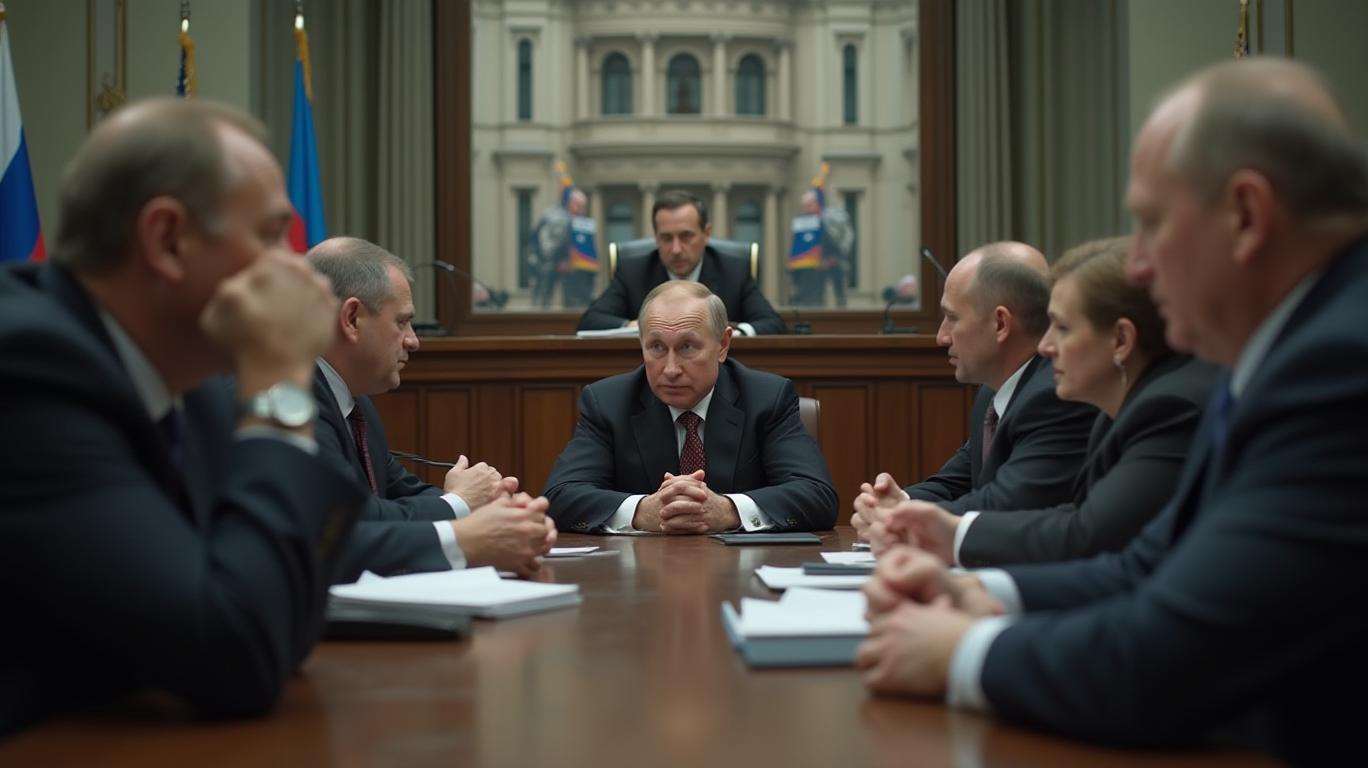
As discussions between Moscow and Washington on ending the war in Ukraine continue, one question remains: will the corporate exodus from Russia in opposition to the February 2022 invasion be reversed? While the Trump administration's efforts to ease restrictions could open the door for some companies to return, the recent asset seizures by the Russian government serve as a stark warning for Western firms considering a comeback.
In the last three years, more than a thousand companies have left Russia, with many selling their assets or handing them over to existing managers. However, some, like Danone and Carlsberg, had their assets seized and were forced to sell at huge discounts. The total value of these seizures is estimated to be around $107 billion, including lost revenue, according to a Reuters analysis in March 2024. Kirill Dmitriev, head of the Russian Direct Investment Fund, claims that US companies have lost $324 billion by leaving Russia.
The Russian government's recent seizures of Western-owned businesses, as well as Russian-owned ones, have raised concerns about the rule of law and property rights in the country. These seizures have also created uncertainty and instability for companies operating in Russia, making it difficult for them to plan and invest in the long term.
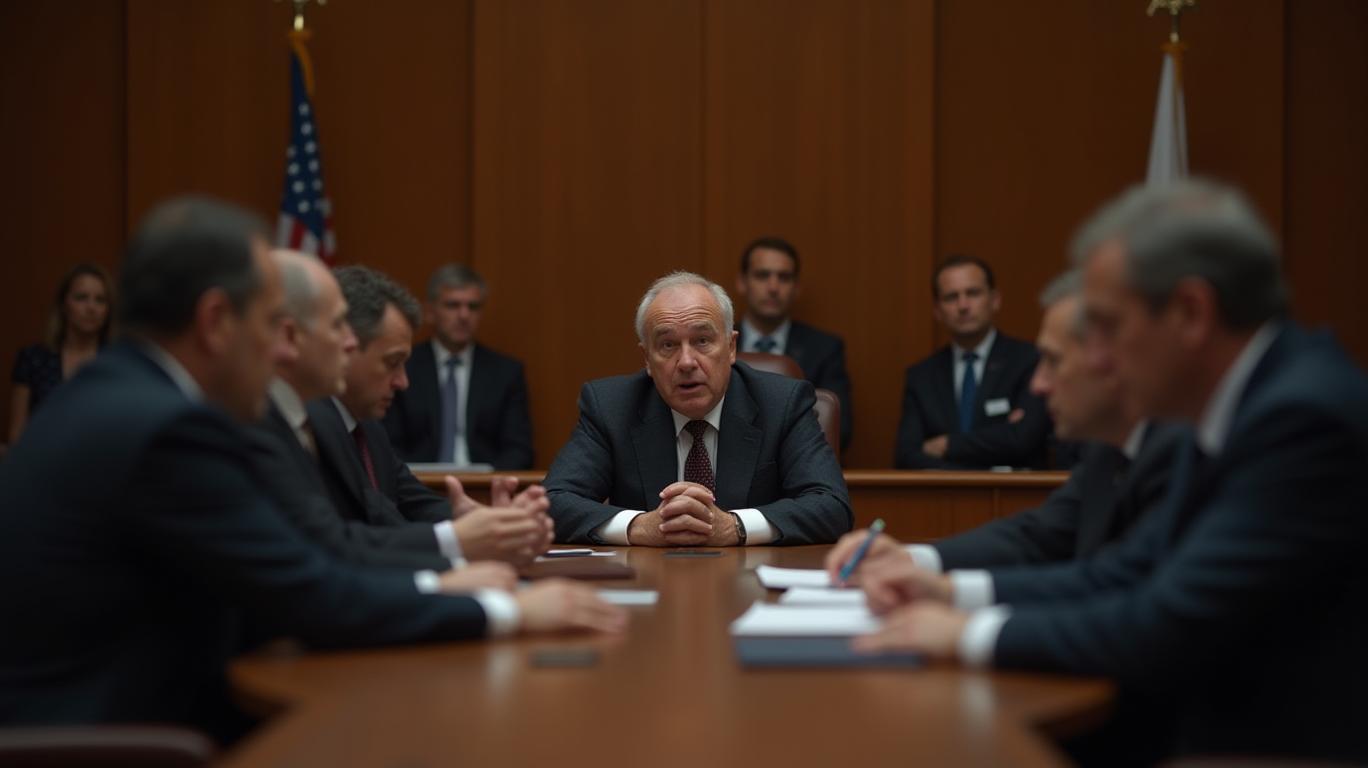
For Western companies considering a return to the Russian market under a Trump-inspired deal, the threat of asset seizures by the Russian government could significantly influence their decision-making process. The uncertainty, risk, reputation damage, legal challenges, investor concerns, and geopolitical risks associated with this threat could make it more difficult for companies to operate in Russia and could lead to a decrease in their willingness to return to the market.
Moreover, the Russian government's ability to retaliate against Western assetWDI-- seizures has been eroded by dwindling foreign investment. However, officials and economists warn that Russia still has ways to strike back, such as confiscating foreign investors' financial assets and securities currently held in special "type-C" accounts. This could further deter Western companies from returning to the Russian market.
In conclusion, the recent asset seizures by the Russian government have created significant challenges for Western companies operating in Russia and serve as a cautionary tale for those considering a return under a Trump-inspired deal. The threat of asset seizures, along with the uncertainty, risk, and other challenges associated with operating in Russia, could make it difficult for companies to decide whether to return to the market. Western governments must balance the desire to seize Russian assets to fund Ukraine's reconstruction with the need to protect their own companies' interests in Russia, while companies must carefully evaluate the risks and benefits of a potential return.
As discussions between Moscow and Washington on ending the war in Ukraine continue, one question remains: will the corporate exodus from Russia in opposition to the February 2022 invasion be reversed? While the Trump administration's efforts to ease restrictions could open the door for some companies to return, the recent asset seizures by the Russian government serve as a stark warning for Western firms considering a comeback.
In the last three years, more than a thousand companies have left Russia, with many selling their assets or handing them over to existing managers. However, some, like Danone and Carlsberg, had their assets seized and were forced to sell at huge discounts. The total value of these seizures is estimated to be around $107 billion, including lost revenue, according to a Reuters analysis in March 2024. Kirill Dmitriev, head of the Russian Direct Investment Fund, claims that US companies have lost $324 billion by leaving Russia.
The Russian government's recent seizures of Western-owned businesses, as well as Russian-owned ones, have raised concerns about the rule of law and property rights in the country. These seizures have also created uncertainty and instability for companies operating in Russia, making it difficult for them to plan and invest in the long term.
For Western companies considering a return to the Russian market under a Trump-inspired deal, the threat of asset seizures by the Russian government could significantly influence their decision-making process. The uncertainty, risk, reputation damage, legal challenges, investor concerns, and geopolitical risks associated with this threat could make it more difficult for companies to operate in Russia and could lead to a decrease in their willingness to return to the market.
Moreover, the Russian government's ability to retaliate against Western assetWDI-- seizures has been eroded by dwindling foreign investment. However, officials and economists warn that Russia still has ways to strike back, such as confiscating foreign investors' financial assets and securities currently held in special "type-C" accounts. This could further deter Western companies from returning to the Russian market.
In conclusion, the recent asset seizures by the Russian government have created significant challenges for Western companies operating in Russia and serve as a cautionary tale for those considering a return under a Trump-inspired deal. The threat of asset seizures, along with the uncertainty, risk, and other challenges associated with operating in Russia, could make it difficult for companies to decide whether to return to the market. Western governments must balance the desire to seize Russian assets to fund Ukraine's reconstruction with the need to protect their own companies' interests in Russia, while companies must carefully evaluate the risks and benefits of a potential return.

Divulgación editorial y transparencia de la IA: Ainvest News utiliza tecnología avanzada de Modelos de Lenguaje Largo (LLM) para sintetizar y analizar datos de mercado en tiempo real. Para garantizar los más altos estándares de integridad, cada artículo se somete a un riguroso proceso de verificación con participación humana.
Mientras la IA asiste en el procesamiento de datos y la redacción inicial, un miembro editorial profesional de Ainvest revisa, verifica y aprueba de forma independiente todo el contenido para garantizar su precisión y cumplimiento con los estándares editoriales de Ainvest Fintech Inc. Esta supervisión humana está diseñada para mitigar las alucinaciones de la IA y garantizar el contexto financiero.
Advertencia sobre inversiones: Este contenido se proporciona únicamente con fines informativos y no constituye asesoramiento profesional de inversión, legal o financiero. Los mercados conllevan riesgos inherentes. Se recomienda a los usuarios que realicen una investigación independiente o consulten a un asesor financiero certificado antes de tomar cualquier decisión. Ainvest Fintech Inc. se exime de toda responsabilidad por las acciones tomadas con base en esta información. ¿Encontró un error? Reportar un problema


SOBRE NOSOTROS
Nuestra historiaAutores de noticiasBase de conocimientosPolítica de privacidadTérmino de usoDescargo de responsabilidad de corretaje de tercerosTérminos de uso de AIMEDivulgaciones de riesgos de AInvest AICarrerasCONTÁCTENOS
Email: support@ainvest.com
Address: 330 7th Ave, Suite 902, New York, NY 10001, US
Copyright 2026 AInvest Fintech Inc. All rights reserved.


Comentarios
Aún no hay comentarios