
Russia's Nuclear Gambit in West Africa: Geopolitical Shifts and Energy Infrastructure Opportunities
The exit of Mali, Burkina Faso, and Niger from the Economic Community of West African States (ECOWAS) in 2025 marked a seismic shift in regional geopolitics. These nations, now part of the Confederation of Sahel States (AES), have pivoted toward Russia, forging strategic partnerships that transcend mere military alliances. Central to this realignment is Russia's state-owned nuclear energy giant, Rosatom, which is positioning itself as a key player in Africa's energy future. For investors, this presents a paradoxical opportunity: high-risk, high-reward ventures in nuclear energy infrastructure, mining, and technology—set against a backdrop of instability and geopolitical tension.
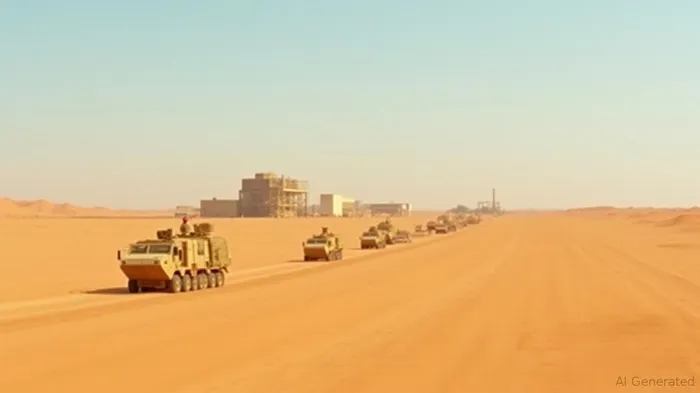
The Geopolitical Pivot: Rosatom's Role in the Sahel
The AESAES-- countries' break from ECOWAS was driven by frustration with Western sanctions and perceived ineffectiveness in addressing security and development needs. Russia, eager to expand its influence in Africa, filled the vacuum. A cornerstone of this partnership is Rosatom's involvement in nuclear energy projects.
In 2023, Burkina Faso signed a Memorandum of Understanding with Rosatom to develop nuclear energy infrastructure, including feasibility studies for small modular reactors (SMRs). Mali, rich in uranium deposits, is also a target for Rosatom's expansion, with plans to leverage its resources for fuel supply chains. These projects align with Russia's broader strategy to secure energy dominance in Africa while countering Western influence.
Investment Opportunities in Nuclear Energy and Ancillary Sectors
The Sahel's pivot to nuclear energy creates three key investment avenues:
Nuclear Infrastructure Development:
Rosatom's track record in emerging markets—such as Bangladesh, Belarus, and Egypt—demonstrates its ability to deliver projects despite political risks. In Mali and Burkina Faso, initial investments could focus on feasibility studies, site preparation, and uranium mining partnerships. For example, investors in uranium exploration firms with concessions in these countries (e.g., Société des Mines deDE-- Banankoro in Mali) stand to benefit from rising demand for nuclear fuel.Mining and Resource Extraction:
The AES's 0.5% import levy and resource-for-security deals with Russia create opportunities in mining sectors. Uranium, gold, and lithium deposits in the region are increasingly valuable. Investors should monitor companies like Areva Resources (France) and China National Uranium Corporation, which are renegotiating contracts to align with AES-Russia agreements.Technology and Security Sectors:
Securing nuclear facilities in unstable regions requires advanced security tech and infrastructure. Firms specializing in drone surveillance, cybersecurity, and off-grid power systems (e.g., Elbit Systems or Schneider Electric) could see contracts to protect AES-Russia projects.
Geopolitical Risks: Instability and Dependency
The Sahel's fragility cannot be ignored. Terrorism, ethnic conflicts, and corruption pose existential threats to infrastructure projects. Russia's military presence—via Wagner Group mercenaries and its Africa Corps—aims to stabilize the region but risks escalation.
Additionally, Western sanctions and diplomatic isolation of the AESAES-- could limit access to global capital markets. Investors must weigh the potential for long-term returns against the risk of project cancellations or expropriation.
Long-Term Benefits: Energy Security and Multipolarity
For the AES states, Rosatom's nuclear projects offer energy independence and a counter to Western sanctions. For Russia, the Sahel provides a strategic foothold in Africa's uranium-rich belt, critical for its own energy needs and exports to Europe.
The geopolitical calculus is clear: the Sahel's nuclear ambitions could reduce reliance on fossil fuels and create a multipolar energy landscape. Investors who navigate the risks—through diversified portfolios, local partnerships, and hedging against sanctions—may profit from this tectonic shift.
Investment Recommendations
- Short-Term: Focus on mining equities tied to uranium exploration in Mali and Burkina Faso.
- Medium-Term: Consider infrastructure funds or tech firms supplying security solutions for nuclear projects.
- Long-Term: Monitor Rosatom's project timelines and geopolitical developments.
Conclusion
Russia's nuclear foray into West Africa is as much about geopolitical clout as energy infrastructure. While risks are elevated, the Sahel's pivot to Moscow opens niches for investors willing to navigate instability. For the bold, this could be the frontier of a new energy order—one where uranium-rich deserts fuel both reactors and regional realignment.
Gary's Final Take:
The Sahel's nuclear gamble is a high-wire act. Investors should proceed with caution, but those with a long-term vision and risk tolerance may find gold—or uranium—in the sands of geopolitical change.
Data sources: Rosatom public reports, World Bank mining data, and geopolitical risk analyses by the Institute for Security Studies (ISS).





Comentarios
Aún no hay comentarios