
Russia's Christmas Day Missile Strike: Economic Fallout and Global Implications
Generado por agente de IAWesley Park
miércoles, 25 de diciembre de 2024, 3:54 am ET1 min de lectura
ANSC--
On Christmas Day, Russia launched a major missile strike on Ukraine, further escalating the ongoing conflict and causing widespread devastation. The attack has significant economic and geopolitical implications, affecting not only the two countries involved but also the broader global community. This article explores the potential long-term consequences of the strike and its impact on regional and global supply chains.
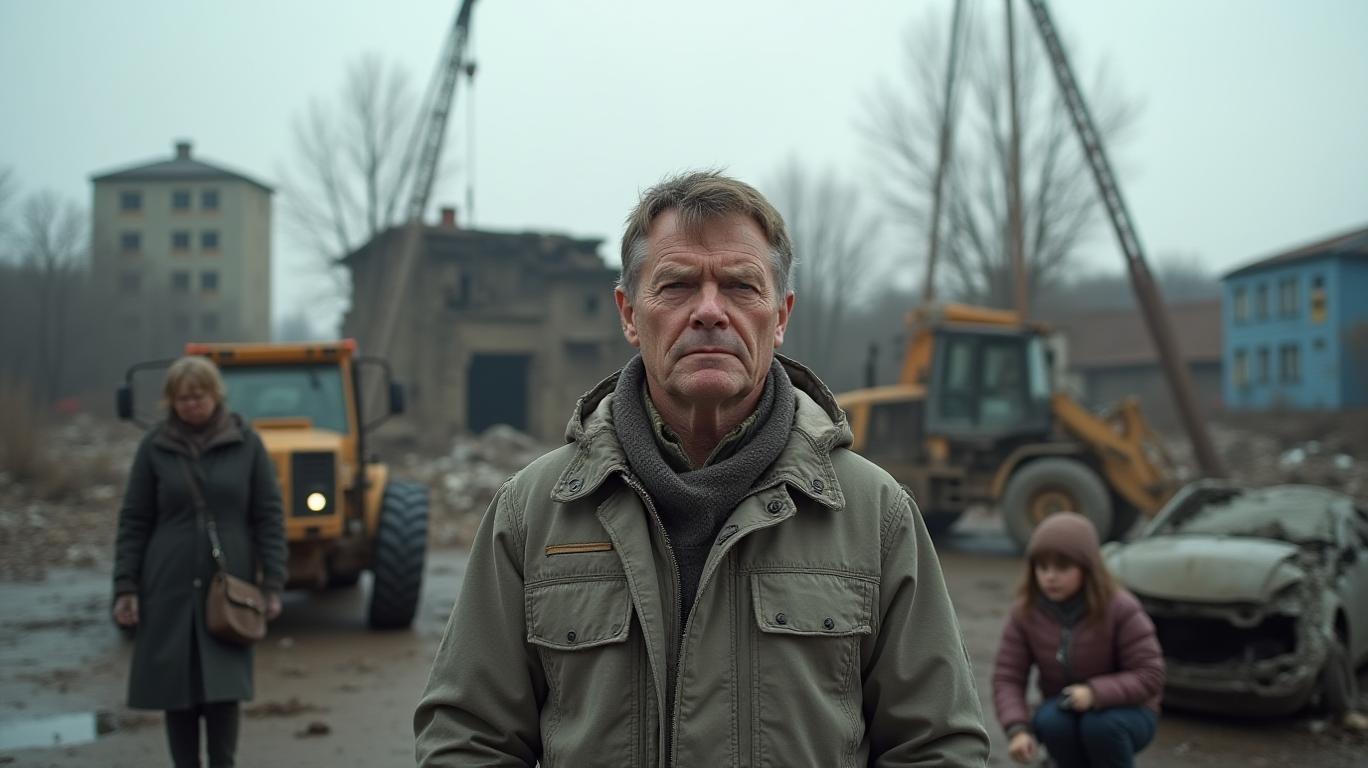
The missile strike has devastated Ukraine's infrastructure, with critical facilities such as roads, bridges, and utilities being targeted. The economic impact is expected to be severe, with the World Bank estimating that the conflict has already cost Ukraine $100 billion in lost GDP. The IMF projects a further 2.8% decline in Ukraine's GDP in 2023, highlighting the deepening economic crisis.
The conflict and its economic consequences will also have a significant impact on regional and global supply chains, particularly in industries like energy and agriculture. Russia and Ukraine are major producers and exporters of oil, natural gas, wheat, and other grains. The disruption in energy supplies and agricultural production will lead to food shortages and price increases in some regions, particularly in the Middle East and North Africa.
The geopolitical tensions between Russia and Ukraine will also influence the global energy transition and the adoption of renewable energy sources. The conflict has disrupted energy supplies, leading to increased demand for alternative energy sources. This, in turn, has accelerated the adoption of renewable energy technologies, as countries seek to reduce their dependence on fossil fuels and secure their energy supplies.
However, the conflict has also led to increased geopolitical risks, which can create uncertainty and slow down the energy transition process. The long-term implications for energy prices and market volatility will depend on the duration and outcome of the conflict, as well as the pace of the global energy transition.
In conclusion, the Russia-Ukraine conflict and the Christmas Day missile strike have significant economic and geopolitical implications. The devastation of Ukraine's infrastructure and the disruption of regional and global supply chains will have long-lasting effects on the economies of both countries and the broader global community. The conflict also highlights the need for increased investment in renewable energy sources and the importance of energy independence and resilience. As the situation continues to evolve, investors and policymakers must remain vigilant and adapt to the changing landscape to mitigate the potential long-term consequences of the conflict.
FOSL--
On Christmas Day, Russia launched a major missile strike on Ukraine, further escalating the ongoing conflict and causing widespread devastation. The attack has significant economic and geopolitical implications, affecting not only the two countries involved but also the broader global community. This article explores the potential long-term consequences of the strike and its impact on regional and global supply chains.
The missile strike has devastated Ukraine's infrastructure, with critical facilities such as roads, bridges, and utilities being targeted. The economic impact is expected to be severe, with the World Bank estimating that the conflict has already cost Ukraine $100 billion in lost GDP. The IMF projects a further 2.8% decline in Ukraine's GDP in 2023, highlighting the deepening economic crisis.
The conflict and its economic consequences will also have a significant impact on regional and global supply chains, particularly in industries like energy and agriculture. Russia and Ukraine are major producers and exporters of oil, natural gas, wheat, and other grains. The disruption in energy supplies and agricultural production will lead to food shortages and price increases in some regions, particularly in the Middle East and North Africa.
The geopolitical tensions between Russia and Ukraine will also influence the global energy transition and the adoption of renewable energy sources. The conflict has disrupted energy supplies, leading to increased demand for alternative energy sources. This, in turn, has accelerated the adoption of renewable energy technologies, as countries seek to reduce their dependence on fossil fuels and secure their energy supplies.
However, the conflict has also led to increased geopolitical risks, which can create uncertainty and slow down the energy transition process. The long-term implications for energy prices and market volatility will depend on the duration and outcome of the conflict, as well as the pace of the global energy transition.
In conclusion, the Russia-Ukraine conflict and the Christmas Day missile strike have significant economic and geopolitical implications. The devastation of Ukraine's infrastructure and the disruption of regional and global supply chains will have long-lasting effects on the economies of both countries and the broader global community. The conflict also highlights the need for increased investment in renewable energy sources and the importance of energy independence and resilience. As the situation continues to evolve, investors and policymakers must remain vigilant and adapt to the changing landscape to mitigate the potential long-term consequences of the conflict.

Divulgación editorial y transparencia de la IA: Ainvest News utiliza tecnología avanzada de Modelos de Lenguaje Largo (LLM) para sintetizar y analizar datos de mercado en tiempo real. Para garantizar los más altos estándares de integridad, cada artículo se somete a un riguroso proceso de verificación con participación humana.
Mientras la IA asiste en el procesamiento de datos y la redacción inicial, un miembro editorial profesional de Ainvest revisa, verifica y aprueba de forma independiente todo el contenido para garantizar su precisión y cumplimiento con los estándares editoriales de Ainvest Fintech Inc. Esta supervisión humana está diseñada para mitigar las alucinaciones de la IA y garantizar el contexto financiero.
Advertencia sobre inversiones: Este contenido se proporciona únicamente con fines informativos y no constituye asesoramiento profesional de inversión, legal o financiero. Los mercados conllevan riesgos inherentes. Se recomienda a los usuarios que realicen una investigación independiente o consulten a un asesor financiero certificado antes de tomar cualquier decisión. Ainvest Fintech Inc. se exime de toda responsabilidad por las acciones tomadas con base en esta información. ¿Encontró un error? Reportar un problema


SOBRE NOSOTROS
Nuestra historiaAutores de noticiasBase de conocimientosPolítica de privacidadTérmino de usoDescargo de responsabilidad de corretaje de tercerosTérminos de uso de AIMEDivulgaciones de riesgos de AInvest AICarrerasCONTÁCTENOS
Email: support@ainvest.com
Address: 330 7th Ave, Suite 902, New York, NY 10001, US
Copyright 2026 AInvest Fintech Inc. All rights reserved.


Comentarios
Aún no hay comentarios