
"Rupee Slips: Weaker Dollar Offers Little Solace Amid Importer Hedging Demand"
Generado por agente de IARhys Northwood
viernes, 7 de marzo de 2025, 1:29 am ET2 min de lectura
PUK--
The Indian rupee has breached the psychological barrier of ₹85 against the US dollar, reaching its all-time low. This steep and sustained depreciation has raised concerns about the economy, necessitating comprehensive policy responses. The depreciation has both positive and negative implications, and understanding these dynamics is crucial for navigating the current economic landscape.
Historical Perspective: The Rupee's Journey
The Indian rupee's journey has been marked by cycles of depreciation and appreciation, reflecting the country's economic growth and global market dynamics. In the 1970s, the rupee faced significant challenges due to high inflation and economic instability. The 1991 balance of payment crisis forced India to devalue its currency sharply, leading to a period of economic reforms and liberalization. The rupee's value has since fluctuated, but the current depreciation to ₹85 against the US dollar is a stark reminder of the recurring specter of economic volatility.
Present Realities: The Current Depreciation
The current depreciation of the rupee is driven by a combination of domestic and global factors. Domestically, India's GDP growth has fallen to a three-quarter low, dampening investor confidence. Industrial production and manufacturing sectors show subdued growth, further weakening economic fundamentals. The widening trade deficit, due to a rise in imports, particularly crude oil, while exports remain sluggish, has increased demand for dollars, putting downward pressure on the rupee.
Globally, the strengthening US dollar amid robust economic growth in the US and a proactive Federal Reserve has bolstered the dollar. Investors seeking stability in volatile global markets prefer dollar-denominated assets, further bolstering the dollar. The Federal Reserve’s tight monetary policy, despite a 25 basis point rate cut, remains hawkish in its approach to inflation control. Higher interest rates in the US attract capital flows away from emerging markets like India, increasing pressure on the rupee.
The Weaker Dollar: A Double-Edged Sword
The weakening of the US dollar can significantly influence the demand for Indian exports. A weaker US dollar makes Indian goods cheaper for buyers in countries that use the dollar or have currencies pegged to it. This price advantage can boost the competitiveness of Indian exports in global markets. For instance, if the US dollar depreciates, Indian textiles, IT services, and pharmaceuticals become more affordable for US and other international buyers, potentially increasing demand for these products.
However, the current depreciation of the rupee presents a different scenario. The weaker dollar offers little solace amid importer hedging demand. Importers, anticipating further depreciation, are hedging their positions by buying dollars in advance, increasing the demand for the greenback and putting additional pressure on the rupee. This dynamic creates a vicious cycle where the rupee's depreciation fuels further depreciation, as importers rush to hedge their positions.
Future Scenarios: Navigating the Storm
To navigate the current economic storm, policymakers must implement strategic interventions. The Reserve Bank of India (RBI) can stabilize the rupee through forex market interventions, such as selling dollars to increase supply. Tight monetary policies, including increased repo rates, can reduce inflationary pressures stemming from a weaker rupee. Boosting domestic manufacturing through the "Make in India" initiative can reduce dependence on imports, particularly in energy, electronics, and capital goods. Diversifying export products and markets can reduce dependency on specific sectors or regions, providing a buffer against currency volatility.
The Moral Imperative: Ethical Investing
In times of economic uncertainty, ethical investing becomes even more crucial. Investors must prioritize capital preservation and seek opportunities that align with broader societal goals. By investing in sectors that promote sustainability and social responsibility, investors can contribute to long-term economic growth while mitigating risks associated with currency volatility.
Conclusion: A Call for Prudence
The depreciation of the rupee presents both challenges and opportunities for India's economy. By implementing strategic interventions such as diversifying export products, promoting domestic manufacturing, tightening monetary policies, and investing in infrastructure, policymakers can mitigate the negative impacts and leverage the positive aspects of a weaker rupee to foster long-term economic growth. However, investors must remain prudentPUK-- and avoid FOMO-driven trades, building a fortress portfolio that can withstand the storms of economic volatility.
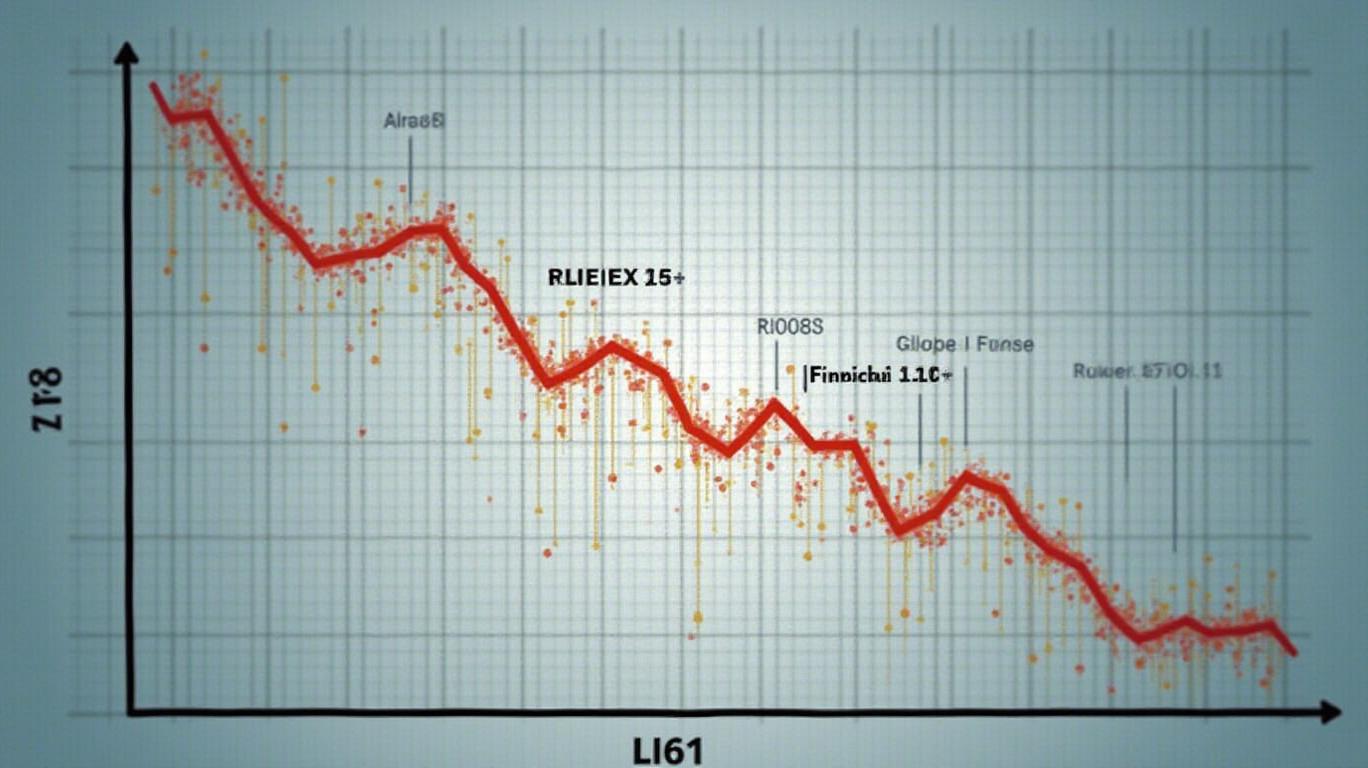
The Indian rupee has breached the psychological barrier of ₹85 against the US dollar, reaching its all-time low. This steep and sustained depreciation has raised concerns about the economy, necessitating comprehensive policy responses. The depreciation has both positive and negative implications, and understanding these dynamics is crucial for navigating the current economic landscape.
Historical Perspective: The Rupee's Journey
The Indian rupee's journey has been marked by cycles of depreciation and appreciation, reflecting the country's economic growth and global market dynamics. In the 1970s, the rupee faced significant challenges due to high inflation and economic instability. The 1991 balance of payment crisis forced India to devalue its currency sharply, leading to a period of economic reforms and liberalization. The rupee's value has since fluctuated, but the current depreciation to ₹85 against the US dollar is a stark reminder of the recurring specter of economic volatility.
Present Realities: The Current Depreciation
The current depreciation of the rupee is driven by a combination of domestic and global factors. Domestically, India's GDP growth has fallen to a three-quarter low, dampening investor confidence. Industrial production and manufacturing sectors show subdued growth, further weakening economic fundamentals. The widening trade deficit, due to a rise in imports, particularly crude oil, while exports remain sluggish, has increased demand for dollars, putting downward pressure on the rupee.
Globally, the strengthening US dollar amid robust economic growth in the US and a proactive Federal Reserve has bolstered the dollar. Investors seeking stability in volatile global markets prefer dollar-denominated assets, further bolstering the dollar. The Federal Reserve’s tight monetary policy, despite a 25 basis point rate cut, remains hawkish in its approach to inflation control. Higher interest rates in the US attract capital flows away from emerging markets like India, increasing pressure on the rupee.
The Weaker Dollar: A Double-Edged Sword
The weakening of the US dollar can significantly influence the demand for Indian exports. A weaker US dollar makes Indian goods cheaper for buyers in countries that use the dollar or have currencies pegged to it. This price advantage can boost the competitiveness of Indian exports in global markets. For instance, if the US dollar depreciates, Indian textiles, IT services, and pharmaceuticals become more affordable for US and other international buyers, potentially increasing demand for these products.
However, the current depreciation of the rupee presents a different scenario. The weaker dollar offers little solace amid importer hedging demand. Importers, anticipating further depreciation, are hedging their positions by buying dollars in advance, increasing the demand for the greenback and putting additional pressure on the rupee. This dynamic creates a vicious cycle where the rupee's depreciation fuels further depreciation, as importers rush to hedge their positions.
Future Scenarios: Navigating the Storm
To navigate the current economic storm, policymakers must implement strategic interventions. The Reserve Bank of India (RBI) can stabilize the rupee through forex market interventions, such as selling dollars to increase supply. Tight monetary policies, including increased repo rates, can reduce inflationary pressures stemming from a weaker rupee. Boosting domestic manufacturing through the "Make in India" initiative can reduce dependence on imports, particularly in energy, electronics, and capital goods. Diversifying export products and markets can reduce dependency on specific sectors or regions, providing a buffer against currency volatility.
The Moral Imperative: Ethical Investing
In times of economic uncertainty, ethical investing becomes even more crucial. Investors must prioritize capital preservation and seek opportunities that align with broader societal goals. By investing in sectors that promote sustainability and social responsibility, investors can contribute to long-term economic growth while mitigating risks associated with currency volatility.
Conclusion: A Call for Prudence
The depreciation of the rupee presents both challenges and opportunities for India's economy. By implementing strategic interventions such as diversifying export products, promoting domestic manufacturing, tightening monetary policies, and investing in infrastructure, policymakers can mitigate the negative impacts and leverage the positive aspects of a weaker rupee to foster long-term economic growth. However, investors must remain prudentPUK-- and avoid FOMO-driven trades, building a fortress portfolio that can withstand the storms of economic volatility.

Divulgación editorial y transparencia de la IA: Ainvest News utiliza tecnología avanzada de Modelos de Lenguaje Largo (LLM) para sintetizar y analizar datos de mercado en tiempo real. Para garantizar los más altos estándares de integridad, cada artículo se somete a un riguroso proceso de verificación con participación humana.
Mientras la IA asiste en el procesamiento de datos y la redacción inicial, un miembro editorial profesional de Ainvest revisa, verifica y aprueba de forma independiente todo el contenido para garantizar su precisión y cumplimiento con los estándares editoriales de Ainvest Fintech Inc. Esta supervisión humana está diseñada para mitigar las alucinaciones de la IA y garantizar el contexto financiero.
Advertencia sobre inversiones: Este contenido se proporciona únicamente con fines informativos y no constituye asesoramiento profesional de inversión, legal o financiero. Los mercados conllevan riesgos inherentes. Se recomienda a los usuarios que realicen una investigación independiente o consulten a un asesor financiero certificado antes de tomar cualquier decisión. Ainvest Fintech Inc. se exime de toda responsabilidad por las acciones tomadas con base en esta información. ¿Encontró un error? Reportar un problema




Comentarios
Aún no hay comentarios