
Royal Caribbean's Strategic Shipbuilding Expansion: A Blueprint for Long-Term Competitive Dominance
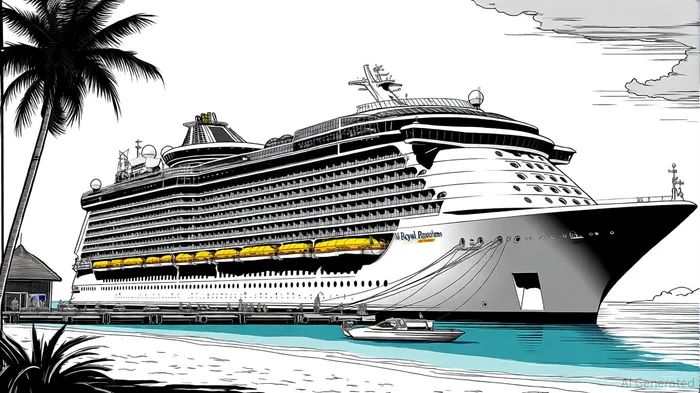
Royal Caribbean Group's recent and upcoming shipbuilding projects underscore a calculated strategy to solidify its leadership in the global cruise industry. By prioritizing innovation, sustainability, and diversified offerings, the company is positioning itself to outpace competitors in a market increasingly defined by evolving consumer preferences and environmental accountability.
1. The Discovery Class: Reimagining Accessibility and Intimacy
Royal Caribbean is in the early design phase of its Discovery Class, a new generation of smaller, more versatile ships intended to replace aging Vision Class vessels[1]. This initiative addresses a critical gap in the market: the demand for cruises to niche destinations inaccessible to mega-ships. According to a report by Royal Caribbean Blog, the Discovery Class will focus on “unique destinations” and offer a more intimate experience, potentially reducing overcrowding and enhancing guest satisfaction[2]. While no firm specifications or launch timeline have been announced, executives like Michael Bayley and Vicki Freed have described the project as “top secret” yet “special and innovative,” signaling a high-stakes bet on redefining cruising[3].
The strategic value of this class lies in its ability to tap into underserved markets, such as remote coastal towns and smaller ports, where larger ships cannot dock. This diversification of itineraries could attract a broader demographic, including adventure-seekers and eco-conscious travelers, while differentiating Royal Caribbean from competitors like CarnivalCCL-- and Norwegian CruiseNCLH-- Line.
2. Icon Class Expansion: Sustaining Technological Leadership
The Icon Class remains a cornerstone of Royal Caribbean's innovation strategy. With LNG-powered ships like Icon of the Seas (2024) and Star of the Seas (2025) already in service, the company is leveraging cutting-edge technology to reduce emissions and meet global sustainability targets[4]. Data from Wikipedia reveals that these ships, at 250,800 GT and carrying 5,610 guests, feature parabolic bow designs for enhanced stability and energy efficiency[5].
A long-term partnership with Meyer Turku ensures continued production of Icon Class ships, including Icon 5 (2028) and options for Icon 6 and Icon 7[6]. This collaboration not only secures shipbuilding capacity but also aligns with Finland's growing role in sustainable maritime engineering. By 2028, Royal Caribbean will have delivered five Icon Class vessels, reinforcing its reputation as a pioneer in eco-friendly cruising.
3. Land-Based Offerings: Expanding the Vacation Ecosystem
Beyond ships, Royal Caribbean is diversifying its revenue streams through land-based experiences. The launch of Royal Beach Club Paradise Island in December 2025, followed by clubs in Cozumel and the South Pacific, reflects a strategic pivot toward “all-inclusive” vacation packages[7]. These private beach clubs cater to travelers seeking seamless transitions between sea and shore, a trend amplified by the rise of hybrid travel itineraries.
This expansion mitigates risks tied to seasonal cruise demand and creates cross-selling opportunities. For instance, guests booking a Discovery Class cruise might also opt for a post-cruise stay at a Royal Beach Club, enhancing customer lifetime value.
4. Strategic Partnerships and Long-Term Flexibility
Royal Caribbean's agreement with Meyer Turku through 2036[8] ensures flexibility in its shipbuilding pipeline, allowing the company to adapt to market shifts without overcommitting to fixed schedules. This framework also supports the Discovery Class initiative, as the shipyard's expertise in LNG and hybrid technologies aligns with Royal's sustainability goals.
Conclusion: A Competitive Edge for the Next Decade
Royal Caribbean's shipbuilding strategy is a masterclass in balancing innovation, sustainability, and market diversification. The Discovery Class addresses unmet demand for smaller, destination-focused cruises, while the Icon Class cements its technological leadership. Complementary land-based offerings and strategic partnerships further insulate the company from industry volatility. For investors, these moves signal a long-term commitment to outpacing competitors and capturing emerging trends in leisure travel.







Comentarios
Aún no hay comentarios