
Rottneros AB: Navigating Timber Volatility with Strategic Resilience
Amid a volatile timber market defined by currency headwinds, rising input costs, and shifting demand dynamics, Rottneros AB (RROS) has emerged as a paragon of operational discipline. The Swedish forestry giant’s Q1 2025 results reveal a company not only weathering near-term storms but positioning itself to outperform peers through cost optimization, geographic diversification, and ESG-aligned innovation. For investors, the question is clear: Is this an undervalued asset primed for recovery as market conditions stabilize? The answer, supported by margin trends, strategic pivots, and analyst sentiment, is a resounding yes.
The Storm: Margin Pressures and Market Realities
Rottneros’ Q1 2025 EBIT plunged to -62 MSEK, a stark contrast to the +5 MSEK recorded in the same period last year. The primary culprits were well documented: a weaker U.S. dollar (USD) against the Swedish krona (SEK), rising wood costs (now 75% of variable expenses), and collapsing CTMP pulp prices in Asia. CTMP sales fell 9% in SEK terms, with Asian prices dipping below variable costs—a catastrophic outcome for a business reliant on export markets. Yet beneath these headline numbers lies a nuanced story of resilience.
Strategic Cost Optimization: Cutting Fat, Preserving Muscle
While peers bemoan uncontrollable macroeconomic forces, Rottneros is attacking what it can control. Its SEK 35–40 million annual cost-saving program—including layoffs at its Rottneros Mill and renegotiated supplier contracts—targets inefficiencies without sacrificing core capabilities. By trimming fixed costs (up 24 MSEK YoY due to wage inflation and depreciation), the company is fortifying its balance sheet. The 2% rise in total production volume, driven by a 16% surge in chemical pulp output at its Vallvik Mill, underscores operational agility. Even CTMP production, while cut by over 20%, is being redirected to high-margin niche markets like filter and electrotechnical pulp (now 26% of sales). This focus on premium segments—a deliberate shift from commodity pricing wars—hints at a path to sustainable profitability.
Geographic Diversification: Europe as Anchor, Asia as Opportunistic
Rottneros’ 67% sales reliance on Europe is both a liability and a strength. While European cartonboard demand has slumped (~15% decline since 2022), the region’s stability and regulatory alignment with ESG goals provide a reliable base. Meanwhile, Asia’s CTMP oversupply crisis has forced Rottneros to pivot strategically: exiting unprofitable markets while retaining access to niche customers. This selective approach avoids the trap of overexposure to volatile regions, instead leveraging Europe’s predictable demand for specialty pulps. The launch of its Polish fossil-free molded fiber plant—a joint venture with Arctic Paper—extends this logic, diversifying revenue streams into high-growth sustainable packaging. This facility, producing climate-friendly alternatives to plastic, aligns with Europe’s circular economy mandates and opens doors to global retailers.
ESG as a Strategic Moat: Valuation and Long-Term Advantage
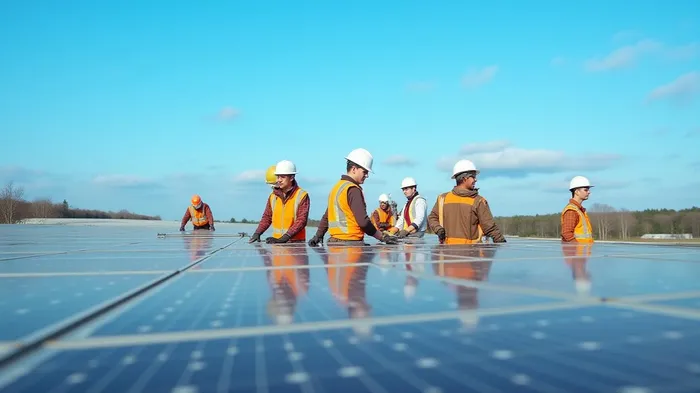
Rottneros’ 43.1% self-sufficiency in renewable energy (up from 35.7% in 2024) and 24 MSEK investment in a solar park at its Rottneros Mill are more than just greenwashing. They reduce energy costs, lower carbon footprints, and attract ESG-focused capital. The Polish packaging project, targeting fossil-free molded fiber trays, further cements its position as a leader in sustainable materials. These moves are not just altruistic; they future-proof assets against regulatory risks and position Rottneros to capitalize on rising demand for eco-friendly products. As European and global investors increasingly demand ESG alignment, Rottneros’ proactive stance could unlock premium valuations for its Nordic forestry assets.
The Buy Case: Undervalued Assets and Catalysts Ahead
Analysts at InvestingPro have labeled Rottneros’ stock "undervalued" at SEK 5.88, citing its 56% equity/assets ratio (above the 50% target) and projected SEK 208 million liquidity. While net debt rose to 558 MSEK, management’s aggressive lender renegotiations and cost discipline suggest solvency risks are manageable. The critical catalyst? Stabilization of wood prices, which are expected to decline from Q2 2025 due to improved supply-demand balance. If timber markets stabilize, Rottneros’ margin pressures will ease, unlocking its SEK 35–40 million annual cost savings to boost EBIT. The company’s 24% sales mix in high-margin electrotechnical pulp also offers a buffer against broader commodity price swings.
Risks and Reality Checks
The thesis is not without risks. A persistent weak USD could further erode export margins, while CTMP’s $200/tonne price gap with NBSK pulp remains a Sword of Damocles. China’s demand volatility—driven by property market weakness and shifting import policies—adds uncertainty. However, Rottneros’ focus on niche markets, geographic flexibility, and ESG-driven innovation provides asymmetric upside: the risks are priced in, but the recovery potential is not.
Conclusion: Buy Now for a 2025 Turnaround
Rottneros AB’s Q1 results are a snapshot of short-term pain, but its strategic moves—cost discipline, niche market focus, and ESG leadership—paint a picture of long-term resilience. With wood costs trending downward and its balance sheet intact, the company is positioned to capitalize on stabilization in global timber markets. At current valuations, Rottneros offers a compelling risk-reward profile: a buy rating for investors willing to bet on its ability to turn margins around and unlock the full potential of its Nordic forestry assets. The storm may not pass soon, but Rottneros is building an ark.







Comentarios
Aún no hay comentarios