
Ross Gerber: Robotaxi's Arrival, Waymo's Dominance, and Tesla's Hardware Limitations
Generado por agente de IAWesley Park
jueves, 30 de enero de 2025, 9:08 pm ET2 min de lectura
GOOGL--
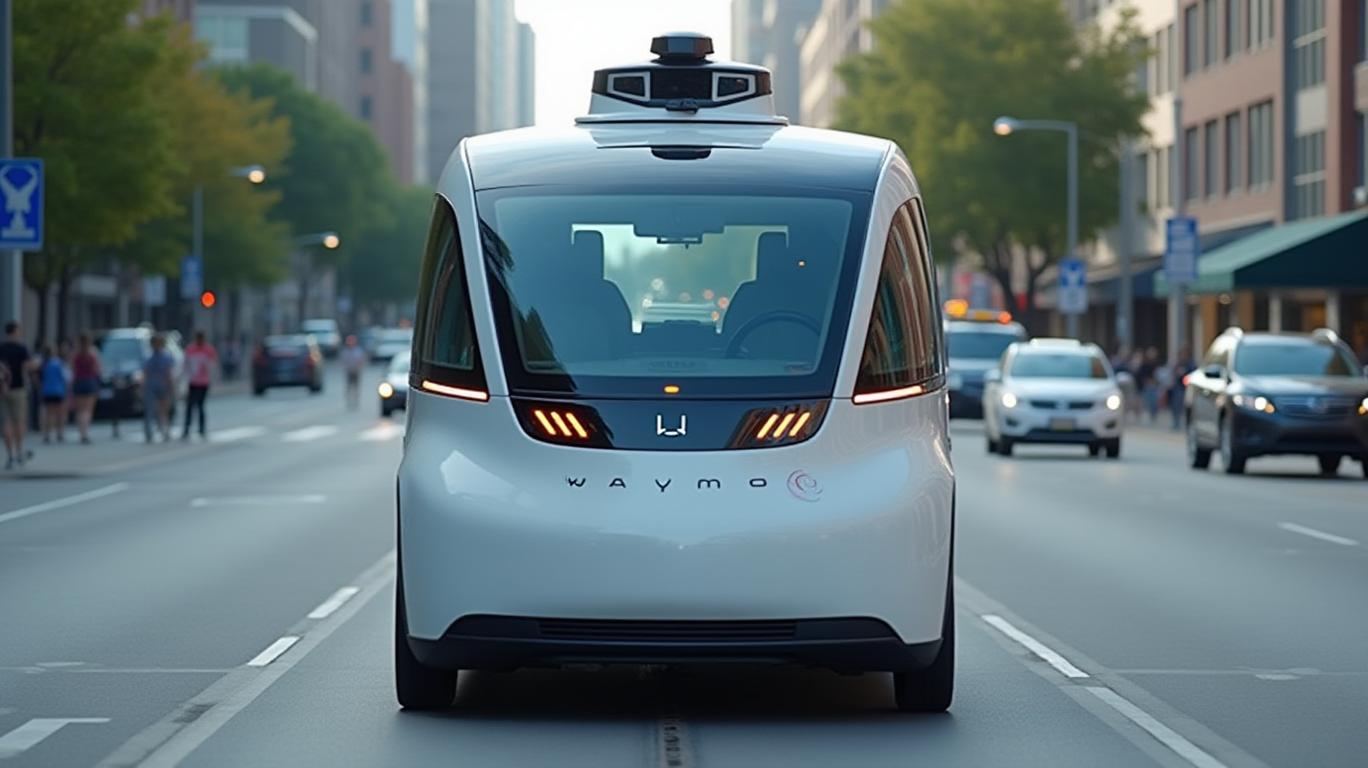
Ross Gerber, CEO of Gerber Kawasaki Wealth and Investment Management, has recently shared his insights on the autonomous driving landscape, highlighting the arrival of robotaxis and the dominance of Waymo, Google's self-driving unit. In a series of tweets, Gerber praised Waymo's robotaxi services, stating, "Waymo waymos everywhere. Driving flawlessly, with confidence. Robotaxi is here... and it's called Waymo. Coming to your city soon." (Source: X, January 30, 2025)
Gerber's enthusiasm for Waymo's robotaxi services is well-founded, as the company has made significant strides in expanding its operations and gaining public acceptance. Waymo's recent expansion into Los Angeles, where it has significantly increased its robotaxi service area, is a testament to its growing presence and acceptance among potential riders. In one particular experience shared by Gerber, he recounted an encounter where someone expressed their admiration for the Waymo service, reinforcing the idea that Waymo's vehicles are not just technologically advanced but are also gaining emotional connections from riders. Gerber whimsically concluded, "Robotaxi has been solved by Google. It works. Game over." (Source: X, October 20, 2024)
Waymo's success can be attributed to its strategic approach to autonomous driving, which differs significantly from Tesla's. Waymo's focus on hardware and sensor fusion, extensive data collection and training, safety and reliability, and regulatory compliance and partnerships have all contributed to its competitive edge in the market. In contrast, Tesla's reliance on cameras for its Autopilot and Full Self-Driving (FSD) systems, as well as its regulatory challenges and lack of strategic partnerships, may hinder its ability to scale its autonomous driving services as quickly as Waymo.
Gerber's praise for Waymo comes amid mounting concerns about Tesla's hardware capabilities. Responding to Tesla investor Sawyer Merritt, Gerber suggested that even Tesla's Hardware 4 system won't achieve full autonomy, citing "severe hardware limitations" compared to Waymo's proven robotaxi technology. These observations follow Tesla CEO Elon Musk's recent acknowledgment that the company will need to upgrade Hardware 3 vehicles for FSD customers, a process Musk described as "painful and difficult." (Source: X, January 30, 2025)
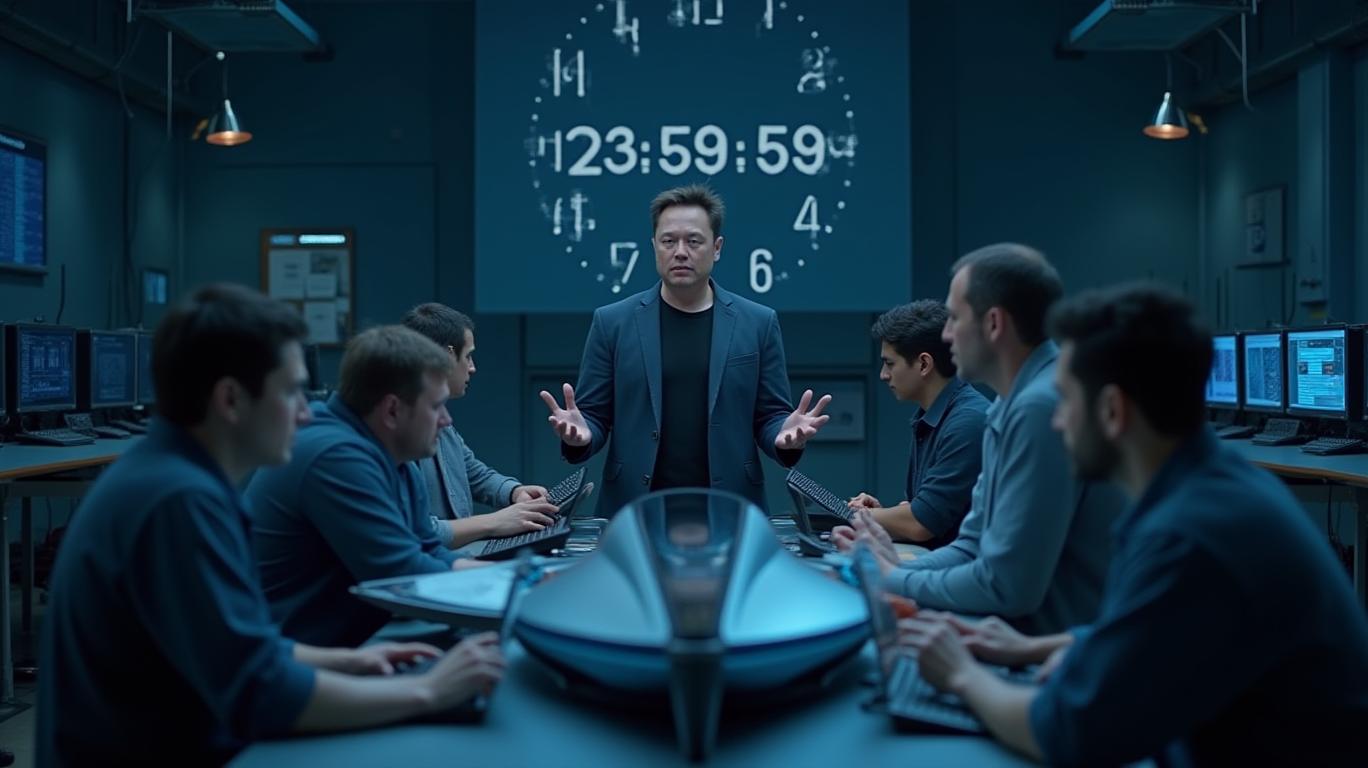
Gerber's criticism of Tesla's hardware limitations is not without merit. The reliance on cameras alone for autonomous driving can lead to issues in low-visibility conditions and make the system more susceptible to environmental factors like dust, ash, or sunlight. These limitations may hinder Tesla's ability to achieve full autonomy and compete with other companies like Waymo in the autonomous driving space.
As the autonomous driving market continues to evolve, investors and consumers alike should pay close attention to the competitive dynamics at play. The success of Waymo's robotaxi services, coupled with Gerber's praise, highlights the potential for autonomous vehicles to revolutionize the ride-hailing industry. However, the challenges faced by Tesla and other competitors in the space should not be overlooked, as the path to widespread adoption of autonomous driving technology remains fraught with obstacles.
In conclusion, Ross Gerber's perspective on Waymo's robotaxi services and Tesla's hardware limitations offers valuable insights into the competitive landscape of autonomous driving. As the market continues to grow and evolve, investors and consumers should stay informed about the progress and challenges faced by key players in the space. The arrival of robotaxis, led by Waymo, signals a significant milestone in the development of autonomous driving technology, and the future of the ride-hailing industry may well be shaped by the companies that can successfully navigate the challenges and opportunities that lie ahead.
ROST--
X--
Ross Gerber, CEO of Gerber Kawasaki Wealth and Investment Management, has recently shared his insights on the autonomous driving landscape, highlighting the arrival of robotaxis and the dominance of Waymo, Google's self-driving unit. In a series of tweets, Gerber praised Waymo's robotaxi services, stating, "Waymo waymos everywhere. Driving flawlessly, with confidence. Robotaxi is here... and it's called Waymo. Coming to your city soon." (Source: X, January 30, 2025)
Gerber's enthusiasm for Waymo's robotaxi services is well-founded, as the company has made significant strides in expanding its operations and gaining public acceptance. Waymo's recent expansion into Los Angeles, where it has significantly increased its robotaxi service area, is a testament to its growing presence and acceptance among potential riders. In one particular experience shared by Gerber, he recounted an encounter where someone expressed their admiration for the Waymo service, reinforcing the idea that Waymo's vehicles are not just technologically advanced but are also gaining emotional connections from riders. Gerber whimsically concluded, "Robotaxi has been solved by Google. It works. Game over." (Source: X, October 20, 2024)
Waymo's success can be attributed to its strategic approach to autonomous driving, which differs significantly from Tesla's. Waymo's focus on hardware and sensor fusion, extensive data collection and training, safety and reliability, and regulatory compliance and partnerships have all contributed to its competitive edge in the market. In contrast, Tesla's reliance on cameras for its Autopilot and Full Self-Driving (FSD) systems, as well as its regulatory challenges and lack of strategic partnerships, may hinder its ability to scale its autonomous driving services as quickly as Waymo.
Gerber's praise for Waymo comes amid mounting concerns about Tesla's hardware capabilities. Responding to Tesla investor Sawyer Merritt, Gerber suggested that even Tesla's Hardware 4 system won't achieve full autonomy, citing "severe hardware limitations" compared to Waymo's proven robotaxi technology. These observations follow Tesla CEO Elon Musk's recent acknowledgment that the company will need to upgrade Hardware 3 vehicles for FSD customers, a process Musk described as "painful and difficult." (Source: X, January 30, 2025)
Gerber's criticism of Tesla's hardware limitations is not without merit. The reliance on cameras alone for autonomous driving can lead to issues in low-visibility conditions and make the system more susceptible to environmental factors like dust, ash, or sunlight. These limitations may hinder Tesla's ability to achieve full autonomy and compete with other companies like Waymo in the autonomous driving space.
As the autonomous driving market continues to evolve, investors and consumers alike should pay close attention to the competitive dynamics at play. The success of Waymo's robotaxi services, coupled with Gerber's praise, highlights the potential for autonomous vehicles to revolutionize the ride-hailing industry. However, the challenges faced by Tesla and other competitors in the space should not be overlooked, as the path to widespread adoption of autonomous driving technology remains fraught with obstacles.
In conclusion, Ross Gerber's perspective on Waymo's robotaxi services and Tesla's hardware limitations offers valuable insights into the competitive landscape of autonomous driving. As the market continues to grow and evolve, investors and consumers should stay informed about the progress and challenges faced by key players in the space. The arrival of robotaxis, led by Waymo, signals a significant milestone in the development of autonomous driving technology, and the future of the ride-hailing industry may well be shaped by the companies that can successfully navigate the challenges and opportunities that lie ahead.

Divulgación editorial y transparencia de la IA: Ainvest News utiliza tecnología avanzada de Modelos de Lenguaje Largo (LLM) para sintetizar y analizar datos de mercado en tiempo real. Para garantizar los más altos estándares de integridad, cada artículo se somete a un riguroso proceso de verificación con participación humana.
Mientras la IA asiste en el procesamiento de datos y la redacción inicial, un miembro editorial profesional de Ainvest revisa, verifica y aprueba de forma independiente todo el contenido para garantizar su precisión y cumplimiento con los estándares editoriales de Ainvest Fintech Inc. Esta supervisión humana está diseñada para mitigar las alucinaciones de la IA y garantizar el contexto financiero.
Advertencia sobre inversiones: Este contenido se proporciona únicamente con fines informativos y no constituye asesoramiento profesional de inversión, legal o financiero. Los mercados conllevan riesgos inherentes. Se recomienda a los usuarios que realicen una investigación independiente o consulten a un asesor financiero certificado antes de tomar cualquier decisión. Ainvest Fintech Inc. se exime de toda responsabilidad por las acciones tomadas con base en esta información. ¿Encontró un error? Reportar un problema




Comentarios
Aún no hay comentarios