
Romania's Mainstream Stands Tall Against Far-Right Surge
Generado por agente de IAWesley Park
lunes, 2 de diciembre de 2024, 7:44 am ET1 min de lectura
AENT--
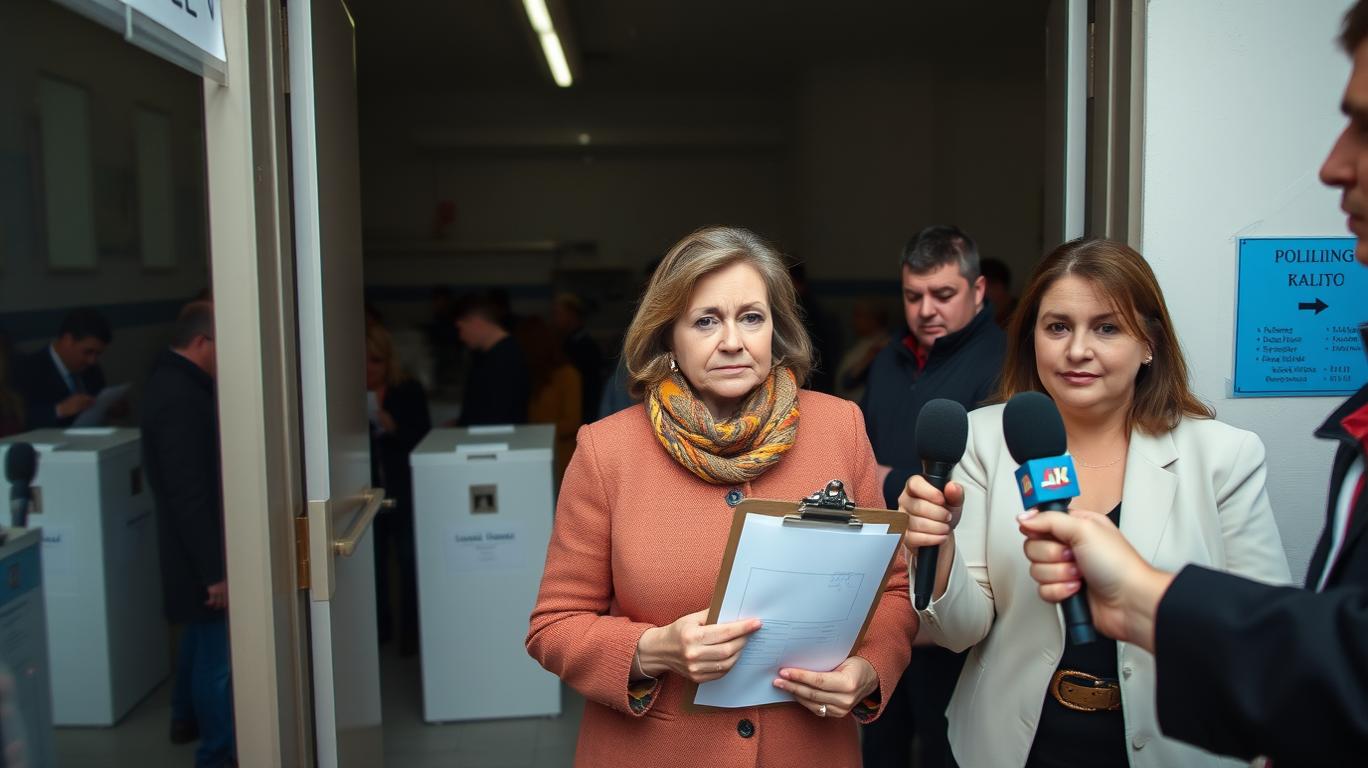
Romania's recent parliamentary elections were a tense affair, pitting pro-Western parties against a surging far-right nationalist movement. Despite the challenges, the mainstream parties managed to hold their ground, securing a victory that will shape the country's political landscape for years to come. Here's a closer look at the election results and their implications for Romania's future.
The leftist Social Democratic Party (PSD) emerged as the big winner, topping the polls with a comfortable lead. Meanwhile, the far-right Alliance for the Unity of Romanians (AUR) doubled its support, becoming the second-largest party in the legislature. This surge in far-right presence, however, failed to dislodge the pro-Western parties from their dominant position.
The increased presence of far-right parties, such as AUR, could introduce populist and anti-establishment sentiments into Romania's economic policymaking. These parties often advocate for nationalist policies, which may lead to stricter immigration policies and a more insular approach to Europe. The far-right's influence could also result in a shift towards more conservative social policies, potentially impacting issues such as LGBTQ+ rights and women's rights. In terms of foreign policy, these parties often have closer ties with Russia, which could lead to a more pro-Russian stance in Europe, potentially straining relations with the EU and NATO.
To maintain their majority and prevent the far-right from gaining further influence, pro-Western parties should unify, negotiate, and address societal concerns like high inflation and cost of living. They should work together to form a stable coalition and promote pro-European policies. Additionally, they should engage with the public and address concerns about corruption and economic stagnation. Lastly, they should not underestimate the far-right's ability to mobilize and continue to monitor their activities.
The upcoming presidential runoff between far-right populist Calin Georgescu and reformist Elena Lasconi will further influence the stability of the government. As the next president holds significant decision-making powers in areas such as national security and foreign policy, the outcome of this election will be crucial for Romania's future.
In conclusion, Romania's recent parliamentary elections saw pro-Western parties maintain their grip on power, signaling continuity in the country's pro-EU and pro-NATO stance. However, the surge in far-right nationalist parties, such as AUR, presents a significant challenge to this stability. Pro-Western parties must now work together to form a stable coalition and address societal concerns to maintain their majority and prevent the far-right from gaining further influence. The upcoming presidential runoff will also play a crucial role in shaping Romania's future political landscape.
U--
Romania's recent parliamentary elections were a tense affair, pitting pro-Western parties against a surging far-right nationalist movement. Despite the challenges, the mainstream parties managed to hold their ground, securing a victory that will shape the country's political landscape for years to come. Here's a closer look at the election results and their implications for Romania's future.
The leftist Social Democratic Party (PSD) emerged as the big winner, topping the polls with a comfortable lead. Meanwhile, the far-right Alliance for the Unity of Romanians (AUR) doubled its support, becoming the second-largest party in the legislature. This surge in far-right presence, however, failed to dislodge the pro-Western parties from their dominant position.
The increased presence of far-right parties, such as AUR, could introduce populist and anti-establishment sentiments into Romania's economic policymaking. These parties often advocate for nationalist policies, which may lead to stricter immigration policies and a more insular approach to Europe. The far-right's influence could also result in a shift towards more conservative social policies, potentially impacting issues such as LGBTQ+ rights and women's rights. In terms of foreign policy, these parties often have closer ties with Russia, which could lead to a more pro-Russian stance in Europe, potentially straining relations with the EU and NATO.
To maintain their majority and prevent the far-right from gaining further influence, pro-Western parties should unify, negotiate, and address societal concerns like high inflation and cost of living. They should work together to form a stable coalition and promote pro-European policies. Additionally, they should engage with the public and address concerns about corruption and economic stagnation. Lastly, they should not underestimate the far-right's ability to mobilize and continue to monitor their activities.
The upcoming presidential runoff between far-right populist Calin Georgescu and reformist Elena Lasconi will further influence the stability of the government. As the next president holds significant decision-making powers in areas such as national security and foreign policy, the outcome of this election will be crucial for Romania's future.
In conclusion, Romania's recent parliamentary elections saw pro-Western parties maintain their grip on power, signaling continuity in the country's pro-EU and pro-NATO stance. However, the surge in far-right nationalist parties, such as AUR, presents a significant challenge to this stability. Pro-Western parties must now work together to form a stable coalition and address societal concerns to maintain their majority and prevent the far-right from gaining further influence. The upcoming presidential runoff will also play a crucial role in shaping Romania's future political landscape.

Divulgación editorial y transparencia de la IA: Ainvest News utiliza tecnología avanzada de Modelos de Lenguaje Largo (LLM) para sintetizar y analizar datos de mercado en tiempo real. Para garantizar los más altos estándares de integridad, cada artículo se somete a un riguroso proceso de verificación con participación humana.
Mientras la IA asiste en el procesamiento de datos y la redacción inicial, un miembro editorial profesional de Ainvest revisa, verifica y aprueba de forma independiente todo el contenido para garantizar su precisión y cumplimiento con los estándares editoriales de Ainvest Fintech Inc. Esta supervisión humana está diseñada para mitigar las alucinaciones de la IA y garantizar el contexto financiero.
Advertencia sobre inversiones: Este contenido se proporciona únicamente con fines informativos y no constituye asesoramiento profesional de inversión, legal o financiero. Los mercados conllevan riesgos inherentes. Se recomienda a los usuarios que realicen una investigación independiente o consulten a un asesor financiero certificado antes de tomar cualquier decisión. Ainvest Fintech Inc. se exime de toda responsabilidad por las acciones tomadas con base en esta información. ¿Encontró un error? Reportar un problema


SOBRE NOSOTROS
Nuestra historiaAutores de noticiasBase de conocimientosPolítica de privacidadTérmino de usoDescargo de responsabilidad de corretaje de tercerosTérminos de uso de AIMEDivulgaciones de riesgos de AInvest AICarrerasCONTÁCTENOS
Email: support@ainvest.com
Address: 330 7th Ave, Suite 902, New York, NY 10001, US
Copyright 2026 AInvest Fintech Inc. All rights reserved.


Comentarios
Aún no hay comentarios