
Romania's Fiscal Crossroads: Junk or Jewel? A Contrarian's Playbook for Emerging Markets
The clock is ticking for Romania. With its sovereign credit ratings perched at the edge of junk status and a government scrambling to slash deficits, this Eastern European nation has become a high-stakes experiment in fiscal brinkmanship. For contrarian investors, the question isn't whether to run—it's whether to pounce. Let's break down the chaos and find opportunity.
The Fiscal Tightrope: Austerity vs. Rebellion
Romania's government has pulled out the fiscal big guns. To slash its 2024 deficit of 9.3% of GDP—the highest in the EU—the cabinet unveiled a €2.1 billion austerity package in July 2025. This includes:
- Raising VAT to 21%, ending preferential tax rates, and hiking excise duties on fuels and alcohol.
- Freezing public sector wages and pensions until 2026, while capping spending on civil servants.
- A 10% health surcharge on high-earning pensioners and expanding co-insurance requirements.
But here's the catch: These cuts could backfire. The far-right Alliance for Uniting Romanians (AUR), now polling at 40%, has already staged protests against the measures. A no-confidence vote looms, threatening to destabilize the fragile four-party coalition. “This isn't just a budget—it's a political Hail Mary,” says Ionut Dumitru, the prime minister's economic advisor.
Rating Agencies: The Sword of Damocles
Both Standard & Poor's and Moody'sMCO-- currently rate Romania at the lowest rung of investment grade (BBB- and Baa3, respectively), with negative outlooks. A single misstep could push it into “junk” territory, sparking a sell-off in bonds and spiking borrowing costs.
The agencies are watching closely. S&P has delayed a downgrade decision pending “credible adjustment,” while Moody's demands “sustained fiscal discipline.” The July 8 EU review deadline—where Romania must submit its revised deficit plan—is a make-or-break moment. Miss it, and the European Commission could freeze €33 billion in recovery funds, deepening the crisis.
The Contrarian Play: Timing the Fiscal Tightrope
For investors, the calculus is brutal but clear. Near-term risks are real:
- A downgrade could trigger forced sales by funds required to hold investment-grade debt.
- Political instability could derail reforms, even if austerity measures pass.
But long-term value exists if Romania sticks the landing:
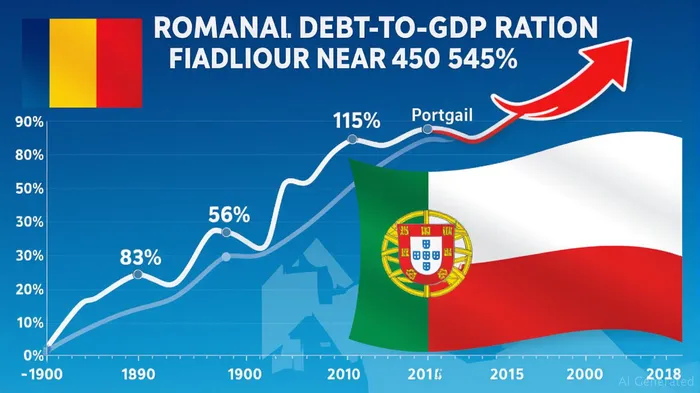
1. Debt sustainability: At 45% of GDP, public debt is manageable—far lower than peers like Italy (140%).
2. EU lifeline: Unlocking frozen recovery funds could turbocharge infrastructure spending, boosting growth.
3. Valuation upside: Romanian bonds trade at a 200 basis point premium to Portugal, offering a cushion if ratings stabilize.
Action Plan for Contrarians:
- Buy Romanian bonds with short maturities (2–3 years) to avoid prolonged credit risk.
- Wait for a downgrade—then snap up deeply discounted debt, betting on eventual fiscal compliance and EU support.
- Watch the currency: A credible fiscal plan could stabilize the leu (RON), reducing volatility for investors.
The Political Wildcard: AUR's Rise
The real wildcard isn't economics—it's politics. AUR's anti-austerity stance could force the government to backtrack on cuts, reigniting deficit fears. “This isn't just about budgets—it's a fight for Romania's soul,” says analyst Vlad Stoica. Investors must monitor protest activity and coalition cohesion. If AUR enters government, sell.
Final Verdict: A Gamble Worth Taking?
Romania is a rollercoaster, but the dips could be buying opportunities. If you're a contrarian with nerves of steel, allocate 1–2% of your portfolio to Romanian bonds. Target issues maturing in 2026–2027, and pair them with EU exposure via ETFs (e.g., EZU) to hedge volatility.
The bottom line? Romania's fiscal crisis is a high-risk, high-reward bet. The next three months will decide whether this emerging market becomes a junk casualty or a contrarian jewel. Fasten your seatbelt—it's going to be a wild ride.







Comentarios
Aún no hay comentarios