
Romania's Eurobond Crossroads: Election 2025 and the Fiscal Tipping Point
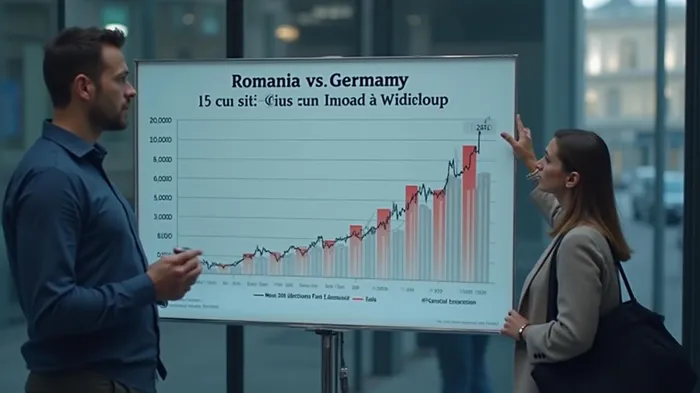
The May 18 presidential runoff in Romania is a high-stakes gamble for investors. With far-right candidate George Simion and centrist Andrei Dan vying to lead a country burdened by a 7.7% fiscal deficit and a 452-basis-point bond yield spread over Germany, the stakes couldn’t be clearer. The outcome will determine whether Romania can stabilize its borrowing costs—or plunge into a fiscal tailspin.
The Election Crucible: Risk vs. Reform
Simion’s Alliance for the Union of Romanians (AUR) has surged on a platform of nationalization of strategic firms, anti-Western rhetoric, and a pledge to scrap austerity measures. His victory could trigger a ratings downgrade to junk status (as warned by Fitch and S&P), pushing bond yields toward 8.5% or higher. In contrast, Dan’s centrist National Liberal Party promises fiscal discipline, EU compliance, and reforms to unlock frozen Recovery and Resilience Facility (RRF) funds.
The bond market is already pricing in risk: Romania’s 10-year Eurobond yield hit 8.02% on May 6, up 0.5% in a single day after Simion’s strong first-round showing. The RON/EUR exchange rate fell to a record RON 5.10/EUR, with capital fleeing as foreign investors—holding 52% of Romania’s government bonds—rushed to exit.
Fiscal Resilience Under Stress
Romania’s BBB- credit rating hangs by a thread. The EU’s fiscal surveillance data paints a dire picture:
- Deficit targets: The 2025 deficit is stuck at 7% of GDP, barely meeting the EU’s Excessive Deficit Procedure (EDP) deadline.
- Debt trajectory: Scope Ratings projects public debt to hit 74% of GDP by 2030, up from 52% today, unless austerity measures bite.
- Frozen funds: Only 14% of EU Recovery Funds have been absorbed, with disbursements halted until reforms depoliticize state enterprises.
The government’s “omnibus decree”—freezing pensions and public sector wages—has sparked protests but offers little relief. With inflation still elevated at 4%, the National Bank of Romania (BNR) is trapped: raising rates further risks choking growth, while cutting them fuels currency weakness.
Currency Risks in Play
The RON’s depreciation is a ticking time bomb. JPMorgan warns of a 15-20% collapse if Simion wins, exacerbating import costs and inflation. Even a “best-case” scenario of a Dan victory could see further RON weakening to RON 5.30/EUR as capital returns, but at a slower pace. The BNR’s EUR 2 billion intervention on May 5 was a stopgap—it cannot stem the tide of political uncertainty.
The Investor’s Dilemma: Wait or Wager?
Investors face a binary choice:
1. Bet on Simion’s victory: Risk a credit downgrade to junk, a spike to 8.5%+ yields, and a leu rout. This scenario would force Romania to issue shorter-term debt at punitive rates.
2. Back Dan’s stability: Hope for a 70-basis-point yield compression to 7.3% (matching Germany’s 2.4% plus a 488-bp risk premium), unlocking cheaper long-term borrowing and EU fund releases.
The smarter play? Wait-and-see. Avoid Eurobond purchases until after May 18. Post-election, Dan’s victory could trigger a buying frenzy, with yields dropping to 7.5% by year-end—a 4.7% total return for holders. Simion’s win? Look for short-term volatility as spreads widen, but avoid long-term exposure until policy clarity emerges.
Conclusion: The Reform Crossroads
Romania’s Eurobond strategy hinges on its leaders’ choices—not just fiscal discipline but geopolitical alignment. Investors who bet on Simion’s victory risk becoming collateral damage in a ratings downgrade. Those who wait for Dan’s stability could capitalize on a yield re-rating and cheaper access to EU funds.
The bond market’s verdict is clear: hold fire until May 18. Then, act swiftly. The upside for reformists is too compelling to ignore.







Comentarios
Aún no hay comentarios