
Rivian's $6.6B Gamble: A Lifeline or Last Chance for EV Aspirant?
Generado por agente de IAWesley Park
martes, 26 de noviembre de 2024, 1:14 pm ET1 min de lectura
RIVN--
Rivian Automotive, the electric vehicle (EV) startup that once seemed poised for success, finds itself in a precarious position. Despite initial hype and a strong public debut, Rivian has struggled to meet production targets, burnished through cash, and now faces an uncertain future. The Biden administration, however, has thrown the company a potential lifeline, as the U.S. Department of Energy (DOE) has conditionally approved a $6.6 billion loan to build a factory in Georgia. But is this loan a game-changer or a final, desperate attempt to save a struggling EV maker?
Rivian's troubles began shortly after its 2021 IPO, when it failed to meet production and sales targets for its R1 SUV and pickup truck. In response, the company announced it would pause construction of its Georgia plant and focus on producing the more affordable R2 SUV in Illinois. This move, while likely necessary for Rivian's short-term survival, raised questions about the company's long-term prospects and commitment to the mass market.
The DOE loan, if finalized, could provide Rivian with the capital it needs to complete its Georgia plant and bring the R2 and R3 models to market. The facility is projected to have an annual production capacity of 400,000 vehicles, significantly boosting Rivian's manufacturing footprint. However, the loan comes with strings attached. Rivian must not actively oppose union organizing efforts at the Georgia plant, a condition that could impact the company's labor relations and production costs.
Rivian's current situation raises important questions about the future of the EV industry and the role of government support. As an EV startup, Rivian faces intense competition from established automakers like Tesla and Ford, as well as other aspiring EV companies. The DOE loan could help Rivian better compete in this crowded market, but it also raises concerns about the company's ability to repay the loan and become profitable.
Moreover, the incoming Trump administration's stance on EV tax credits and industrial policy could further complicate Rivian's prospects. Trump previously vowed to end federal electric vehicle tax credits, which could hinder Rivian's affordability and market penetration. Additionally, Trump's market-based approach to economic growth might clash with Biden's industrial policy, potentially putting Rivian in a delicate position if Trump tries to claw back the loan.
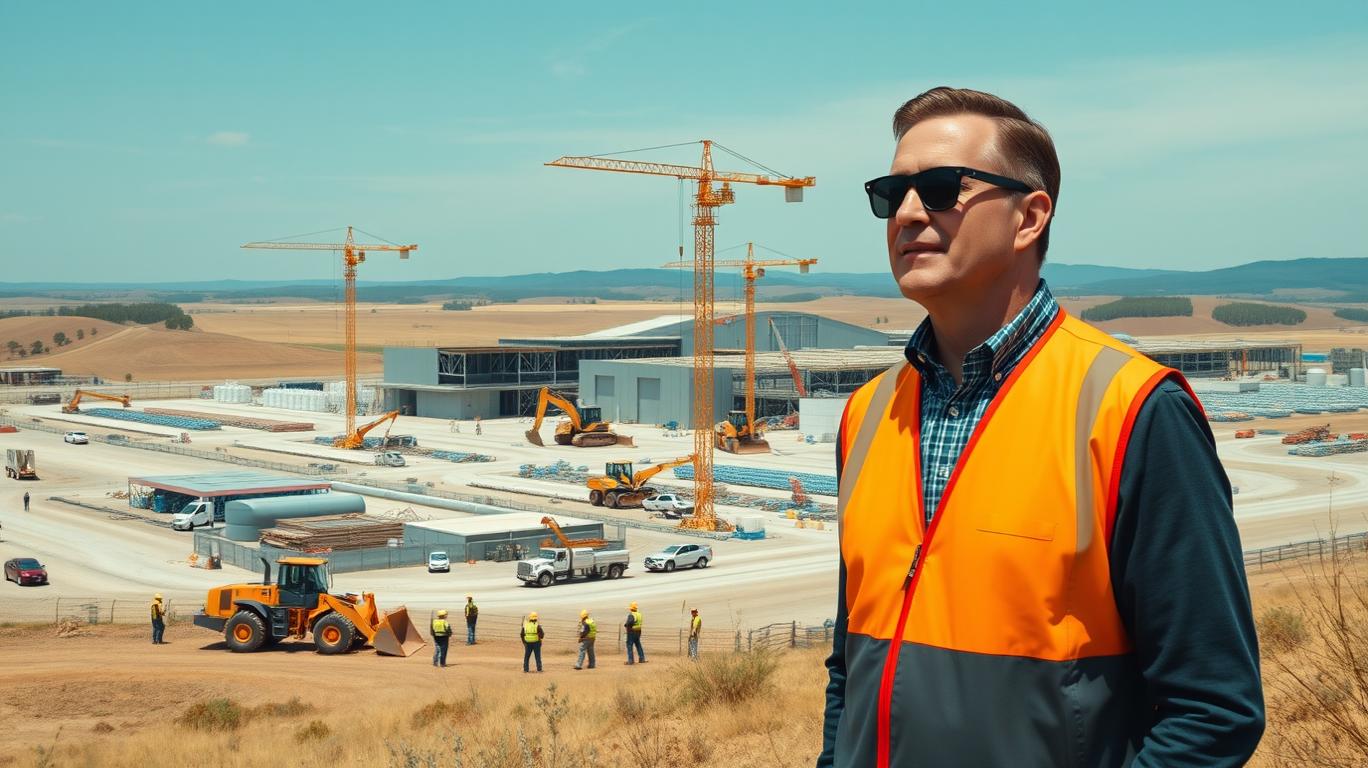
In conclusion, Rivian's $6.6 billion loan from the DOE is a significant gamble for both the company and the U.S. government. The loan could provide Rivian with the capital it needs to complete its Georgia plant and bolster its production capacity, but it also comes with potential risks and challenges. As Rivian navigates these uncertain waters, investors and analysts alike should closely monitor the company's progress and assess the true value of this high-stakes loan.
Rivian's troubles began shortly after its 2021 IPO, when it failed to meet production and sales targets for its R1 SUV and pickup truck. In response, the company announced it would pause construction of its Georgia plant and focus on producing the more affordable R2 SUV in Illinois. This move, while likely necessary for Rivian's short-term survival, raised questions about the company's long-term prospects and commitment to the mass market.
The DOE loan, if finalized, could provide Rivian with the capital it needs to complete its Georgia plant and bring the R2 and R3 models to market. The facility is projected to have an annual production capacity of 400,000 vehicles, significantly boosting Rivian's manufacturing footprint. However, the loan comes with strings attached. Rivian must not actively oppose union organizing efforts at the Georgia plant, a condition that could impact the company's labor relations and production costs.
Rivian's current situation raises important questions about the future of the EV industry and the role of government support. As an EV startup, Rivian faces intense competition from established automakers like Tesla and Ford, as well as other aspiring EV companies. The DOE loan could help Rivian better compete in this crowded market, but it also raises concerns about the company's ability to repay the loan and become profitable.
Moreover, the incoming Trump administration's stance on EV tax credits and industrial policy could further complicate Rivian's prospects. Trump previously vowed to end federal electric vehicle tax credits, which could hinder Rivian's affordability and market penetration. Additionally, Trump's market-based approach to economic growth might clash with Biden's industrial policy, potentially putting Rivian in a delicate position if Trump tries to claw back the loan.
In conclusion, Rivian's $6.6 billion loan from the DOE is a significant gamble for both the company and the U.S. government. The loan could provide Rivian with the capital it needs to complete its Georgia plant and bolster its production capacity, but it also comes with potential risks and challenges. As Rivian navigates these uncertain waters, investors and analysts alike should closely monitor the company's progress and assess the true value of this high-stakes loan.

Divulgación editorial y transparencia de la IA: Ainvest News utiliza tecnología avanzada de Modelos de Lenguaje Largo (LLM) para sintetizar y analizar datos de mercado en tiempo real. Para garantizar los más altos estándares de integridad, cada artículo se somete a un riguroso proceso de verificación con participación humana.
Mientras la IA asiste en el procesamiento de datos y la redacción inicial, un miembro editorial profesional de Ainvest revisa, verifica y aprueba de forma independiente todo el contenido para garantizar su precisión y cumplimiento con los estándares editoriales de Ainvest Fintech Inc. Esta supervisión humana está diseñada para mitigar las alucinaciones de la IA y garantizar el contexto financiero.
Advertencia sobre inversiones: Este contenido se proporciona únicamente con fines informativos y no constituye asesoramiento profesional de inversión, legal o financiero. Los mercados conllevan riesgos inherentes. Se recomienda a los usuarios que realicen una investigación independiente o consulten a un asesor financiero certificado antes de tomar cualquier decisión. Ainvest Fintech Inc. se exime de toda responsabilidad por las acciones tomadas con base en esta información. ¿Encontró un error? Reportar un problema


SOBRE NOSOTROS
Nuestra historiaAutores de noticiasBase de conocimientosPolítica de privacidadTérmino de usoDescargo de responsabilidad de corretaje de tercerosTérminos de uso de AIMEDivulgaciones de riesgos de AInvest AICarrerasCONTÁCTENOS
Email: support@ainvest.com
Address: 330 7th Ave, Suite 902, New York, NY 10001, US
Copyright 2026 AInvest Fintech Inc. All rights reserved.


Comentarios
Aún no hay comentarios