
Rising Yields and Fiscal Storms: How Treasury Auctions are Shaking Equity Markets
The U.S. Treasury yield curve is flashing warning signs. With the 10-year note hovering near 4.5% and the Q1 2025 deficit hitting a record $838 billion, markets are bracing for turbulence ahead of the pivotal May 2025 20-year Treasury auction. For equity investors, this isn’t just about bond math—it’s a crossroads where fiscal recklessness, geopolitical risks, and tax reform uncertainty are converging to redefine risk premiums.
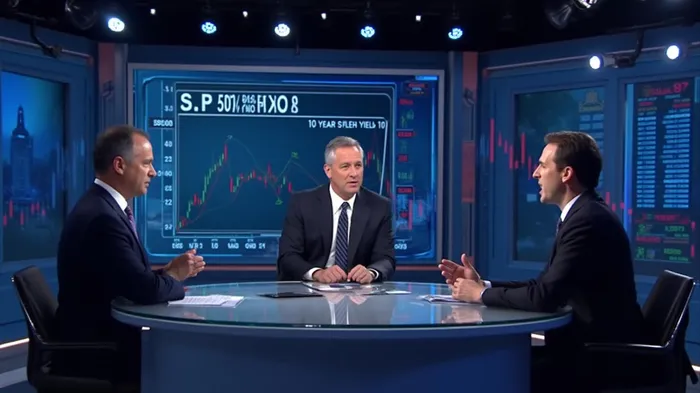
The Fiscal Policy Crossroads: Deficits and Tax Reforms in Focus
The Congressional Budget Office (CBO) projects the 2025 deficit will hit $1.9 trillion, with debt-to-GDP projected to soar to 118% by 2035—exceeding post-WWII peaks. This isn’t just a numbers game. The reinstated $36.1 trillion debt ceiling and Treasury’s “extraordinary measures” to delay defaults signal systemic instability. Investors are pricing in a fiscal reckoning:
- Tax Reform Uncertainty: With Congress debating corporate tax hikes to fund clean energy grants, equity valuations face a double whammy—lower earnings visibility and higher capital costs.
- Mandatory Spending Traps: Social Security, Medicare, and Medicaid outlays surged $54 billion in Q1 alone. These programs are now on auto-pilot, crowding out discretionary spending and forcing the Fed to keep rates high longer.
Geopolitical Tensions as a Wildcard
The hurricanes of 2024—Helene and Milton—cost the Treasury $9 billion in disaster response, a reminder of how climate volatility and geopolitical flashpoints (e.g., Middle East tensions) amplify fiscal pressures. Bond markets are now pricing in a “risk premium tax,” with yields rising not just from Fed policy but from systemic uncertainty.
The 20-Year Auction: A Litmus Test for Market Sentiment
The May 2025 20-year Treasury auction—scheduled for the first Wednesday after the Treasury’s May Quarterly Refunding—will test investor resolve. Key risks:
- Demand Shortfall: With $36 trillion in global negative-yielding debt, U.S. Treasuries are a “least worst option.” But if foreign buyers retreat (as China’s reserves fell 12% in Q1), yields could spike further.
- Reopening Dynamics: The 20-year note’s yield is already 4.75%, up 80 basis points since 2023. A poorly bid auction could push it past 5%, triggering equity rotation out of rate-sensitive sectors.
Spillover into Equities: The Risk Premia Reset
The bond market’s message is clear: equities are overvalued. Consider:
- Utilities & REITs Under Pressure: These sectors, once darlings of the low-rate era, now face 7-8% dividend yields vs. 5%+ Treasury yields.
- Tech’s Funding Cost Crunch: Startups and growth stocks reliant on cheap debt face a capital squeeze as venture funding dries up.
- Dividend Stocks on the Defensive: The S&P 500’s dividend yield (2.1%) is now half the 10-year yield—a historic inversion.
Actionable Strategies for Yield-Driven Volatility
Investors must pivot to a “yield-first” mindset:
- Short the Rate-Sensitive Sectors: Use ETFs like XLB (Consumer Staples) or XLU (Utilities) as short candidates.
- Hedged Equity Exposure: Buy S&P 500 call options while selling 10-year Treasury futures to hedge against yield spikes.
- Quality Over Growth: Focus on defensive sectors like healthcare (XPH) and consumer discretionary (XLY) with stable cash flows.
- Cash and Short-Term Bonds: Allocate 15-20% to money market funds or 2-year Treasuries to ride out volatility.
Final Warning: The Clock is Ticking
The Treasury’s “extraordinary measures” will buy only 6-8 months before defaults become inevitable. With the 20-year auction’s results set to dominate headlines in early June, investors cannot afford to be passive. This isn’t just about bonds—it’s a reckoning for equity markets. The playbook is clear: brace for volatility, prioritize safety, and let the yield curve guide your moves.
Act now—or risk being swept up in the fiscal storm.







Comentarios
Aún no hay comentarios