
Rising U.S. Treasury Yields and the Fed's Dovish Pivot: A New Era for Fixed Income Strategies
Fed Policy: From Tightening to Dovish Easing
The Federal Reserve's October 2025 policy statement marked a pivotal moment. After three years of quantitative tightening (QT), the central bank announced the end of its balance sheet reduction program, with the final phase concluding on December 1, as the Fed announcement stated. This move signals a strategic pivot toward liquidity support, as the Fed plans to resume, resuming Treasury purchases starting in Q1 2025, injecting $35 billion monthly into financial markets. Such actions aim to stabilize yields and ease pressure on high-risk assets, potentially catalyzing a 10-25% rally in cryptocurrencies and other volatile instruments, according to the same coinotag report.
However, the Fed's messaging remains cautious. While the central bank has signaled a dovish tilt, it has also emphasized that policy decisions cannot be solely dictated by buoyant financial markets, a point made by Fed official Miran. This duality reflects the Fed's balancing act: addressing inflationary risks while mitigating the fallout from a fragile economic outlook.
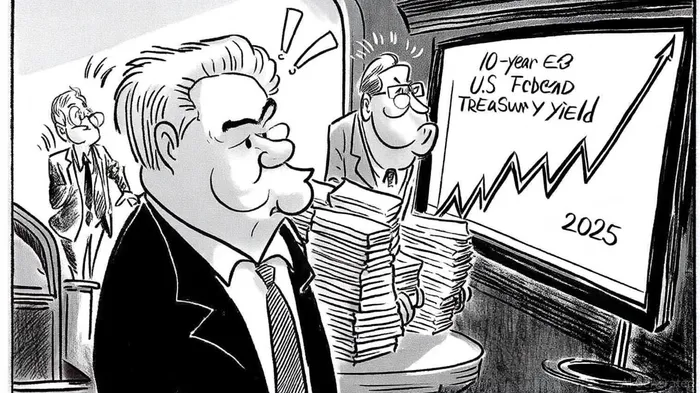
Corporate Debt Surge: Meta's $30B Bond Sale and AI-Driven Hedging
Corporate bond markets have become a focal point of this evolving landscape. Meta's $30 billion bond sale in 2025-its largest-ever debt offering-exemplifies the surge in corporate hedging activity, as highlighted by Meta's $30B bond sale. The funds, allocated to AI infrastructure, data centers, and chip acquisitions, reflect a broader trend of tech giants committing trillions to AI development, a theme covered by WebProNews. This issuance, priced at spreads as low as 1.4 percentage points over Treasuries, highlights robust investor demand for high-grade corporate debt despite rising yields, the WebProNews coverage noted.
Such activity is reshaping fixed income strategies. With corporate spreads narrowing and high-yield issuance remaining elevated, investors are increasingly allocating to corporate bonds as a hedge against equity volatility. For instance, Meta's bond sale attracted $125 billion in orders, underscoring confidence in its creditworthiness and long-term AI strategy. This trend aligns with broader estimates that AI infrastructure investments could reach $5.8 trillion between 2025 and 2030, according to Columbia Threadneedle estimates, further amplifying the role of fixed income in managing long-term capital commitments.
Yield Curve Dynamics and Portfolio Implications
The interplay between Fed policy and corporate bond demand is reshaping yield curve dynamics. While the Fed's resumption of Treasury purchases may stabilize short-term yields, the sheer scale of corporate debt issuance-particularly in AI-driven sectors-could exert upward pressure on long-term rates, as a MarketWatch story on a weak 7-year auction suggested. For example, the December 2023 Treasury auction of 7-year notes saw weaker demand, pushing yields higher than when-issued levels. This suggests that large-scale Treasury and corporate bond offerings may compete for investor capital, influencing both yield trajectories and fixed income allocations.
Investors must also contend with the Fed's evolving stance on inflation. With break-even rates at 2.40% and real yields at 2.15%, inflation expectations remain embedded in the yield curve, as noted by the T. Rowe Price analysis. This environment favors fixed income strategies that prioritize duration and diversification, particularly as bonds offer a buffer against equity market downturns, according to a JPMorgan analysis.
Strategic Adjustments for a Prolonged High-Yield Era
The confluence of Fed easing, corporate debt surges, and inflationary pressures necessitates a recalibration of fixed income portfolios. Key adjustments include:
1. Duration Rebalancing: Extending duration to capitalize on higher yields while hedging against potential rate volatility.
2. Credit Selection: Prioritizing investment-grade corporate bonds, especially in sectors with strong growth fundamentals (e.g., AI infrastructure).
3. Liquidity Management: Maintaining flexibility to navigate shifting monetary policy and market conditions.
As the Fed navigates its dovish pivot and corporations continue to fund transformative investments, fixed income markets will remain a cornerstone of portfolio resilience. Investors who adapt to this new paradigm-embracing both the opportunities and risks of prolonged higher-yield environments-will be better positioned to thrive in an era of structural change.







Comentarios
Aún no hay comentarios