
The Rising Risks of Environmental Regulation and Corporate Accountability in the Oil and Energy Sector
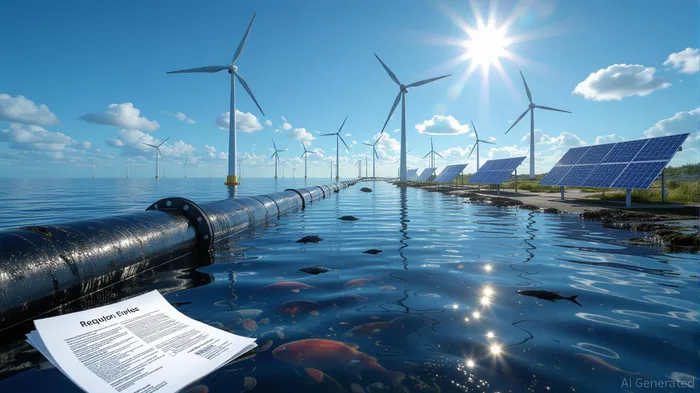
The oil and energy sector is undergoing a seismic shift as environmental disasters, regulatory tightening, and investor sentiment converge to redefine risk profiles. While specific 2024–2025 oil spills remain underreported, the broader implications of such incidents—heightened scrutiny, stricter penalties, and a global pivot toward clean energy—are reshaping investment landscapes. This analysis explores how these forces are accelerating the decline of fossil fuel dominance and elevating the stakes for energy investors.
Regulatory Reckoning: A New Era of Accountability
Recent oil spills, though not individually documented, have catalyzed a regulatory response that underscores the growing cost of environmental negligence. The U.S. Environmental Protection Agency (EPA) has intensified enforcement of environmental laws, emphasizing "safeguarding human health and the environment" through initiatives like the Powering the Great American Comeback program[1]. This framework prioritizes domestic clean energy production while tightening oversight of fossil fuel operations.
Regulatory penalties are no longer confined to fines; they now include mandatory infrastructure upgrades, operational suspensions, and long-term environmental remediation costs. For example, the EPA's focus on emergency response protocols post-spill has forced energy firms to allocate capital toward compliance, reducing funds available for shareholder returns[1]. These pressures are particularly acute for legacy oil and gas companies, which face a dual challenge: balancing aging infrastructure with the financial burden of regulatory compliance.
Investor Sentiment: Fossil Fuels Under Scrutiny
Investor reactions to energy stocks in 2024–2025 reveal a stark divergence between fossil fuel and renewable energy sectors. Fossil fuel companies, particularly those in natural gas, have benefited from stable fee-based contracts and infrastructure investments, but this growth is increasingly viewed as a short-term anomaly[2]. Conversely, renewable energy firms have seen mixed performance. While leaders like GE VernovaGEV-- surged by 131.78% in 2024 due to electrification demand, others, such as Enphase EnergyENPH--, struggled with competitive pressures[2].
The uncertainty surrounding the Inflation Reduction Act (IRA) of 2022 further complicates the landscape. Although the IRA's clean energy incentives have driven solar and wind energy to 20% of U.S. energy generation by Q2 2024 (up from 8% in 2018), fears of potential rollbacks under a Trump administration have created volatility[3]. Investors are now hedging bets, favoring companies with diversified portfolios that blend fossil fuel assets with renewable energy ventures.
The Renewable Energy Surge: A Structural Shift
Global renewable energy capacity grew by 15.1% in 2024, driven largely by solar power, but this rate still falls short of the 16.6% annual growth needed to triple capacity by 2030[4]. Regional disparities persist: China and other G20 nations dominate expansion, while Small Island Developing States lag behind[4]. This uneven progress highlights both the opportunities and risks in renewable energy investments.
For investors, the key lies in identifying firms that align with long-term decarbonization goals. Companies like Eco Wave Power, which specialize in emerging technologies, have shown resilience despite market fluctuations[2]. Meanwhile, traditional energy firms pivoting to hydrogen or carbon capture are attracting capital as they navigate the transition.
Conclusion: Navigating the New Energy Paradigm
The oil spills of 2024–2025 may not be individually documented, but their collective impact is evident in the regulatory and market shifts they have triggered. Energy investors now face a binary choice: bet on a sector burdened by compliance costs and reputational risk or allocate capital to renewable energy's uncertain but structurally advantaged future. As the EPA and global regulators continue to enforce stricter environmental standards, the cost of inaction for fossil fuel firms will only rise.
For those seeking to future-proof portfolios, the path forward lies in strategic diversification—supporting companies that innovate within the clean energy transition while hedging against the residual value of fossil fuel assets in a regulated world.







Comentarios
Aún no hay comentarios