
Rising Oil Rig Counts and Geopolitical Tensions: A Case for Strategic Energy Exposure
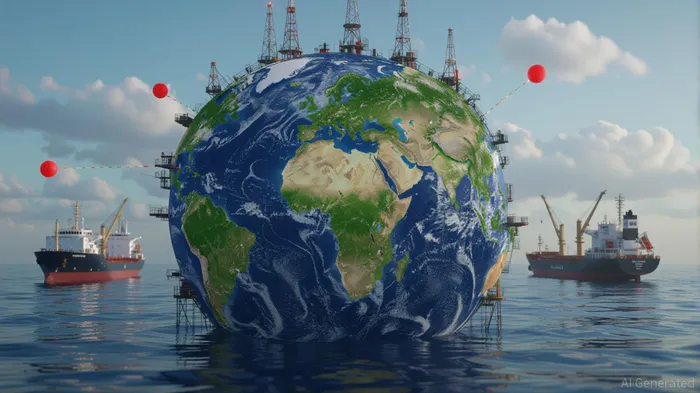
The energy sector in 2025 operates at the intersection of volatile short-term dynamics and transformative long-term trends. While granular data on global oil rig counts remains elusive, the broader context of geopolitical instability and shifting trade patterns offers critical insights for investors seeking to balance momentum and resilience.
Short-Term Momentum: Geopolitical Fractures and Market Volatility
The Global Risks Report 2025 underscores that state-based armed conflict has emerged as the top immediate risk, with geopolitical fragmentation reshaping energy trade flows. This instability has amplified price swings in oil and gas markets, creating short-term opportunities for energy producers. For instance, the reimposition of U.S. tariffs under President Donald Trump has disrupted traditional supply chains, forcing buyers to seek alternative suppliers and driving localized price premiums.
While oil rig count data is unavailable, historical correlations suggest that periods of geopolitical tension often coincide with increased drilling activity as producers anticipate higher prices. Investors should monitor regional conflicts—such as those in the Middle East and Eastern Europe—for signals of supply disruptions that could temporarily boost energy prices.
Long-Term Resilience: The Energy Transition and Structural Risks
Despite short-term volatility, the energy transition remains a defining trend. The Energy Transition Index (ETI) reports the fastest improvements in a decade, yet it warns of "stalled progress" due to geopolitical and economic headwinds. This duality presents a paradox: while renewable energy investments are accelerating, fossil fuels remain indispensable in a fractured global economy.
The long-term resilience of energy investments hinges on diversification. For example, companies integrating carbon capture technologies or hybrid energy systems (e.g., solar + gas) may outperform peers in a decarbonizing world. However, geopolitical risks—such as sanctions or trade wars—could delay infrastructure projects, creating asymmetries between regions.
Strategic Exposure: Navigating the 2025 Energy Landscape
Investors must adopt a dual strategy:
1. Short-Term Plays: Focus on regions with geopolitical-driven supply constraints, such as the Persian Gulf or the Arctic, where energy producers may benefit from near-term price spikes.
2. Long-Term Bets: Prioritize firms with hybrid energy portfolios and strong ESG credentials, as regulatory pressures and consumer demand for sustainability intensify.
Conclusion
The energy sector's 2025 landscape is defined by duality: immediate volatility from geopolitical fractures and enduring shifts toward decarbonization. While the absence of real-time oil rig data complicates granular analysis, macro-level trends suggest that strategic exposure—balancing short-term momentum with long-term resilience—is essential. Investors who align with these dynamics may navigate the turbulence of 2025 while positioning for a more stable energy future.







Comentarios
Aún no hay comentarios