
Rising Mortgage Rates and the Fed's Crossroads: Navigating the Housing Market's New Reality
The U.S. housing market is at a pivotal juncture. After years of record-low mortgage rates that fueled a historic boomBOOM--, borrowers now face rates hovering near 6.5%, with little relief expected soon. Behind this shift lies a Federal Reserve navigating an economic landscape fraught with trade policy uncertainties, persistent inflation, and a labor market that refuses to weaken. The result? A housing market undergoing a structural adjustment—one that investors must understand to position themselves effectively.
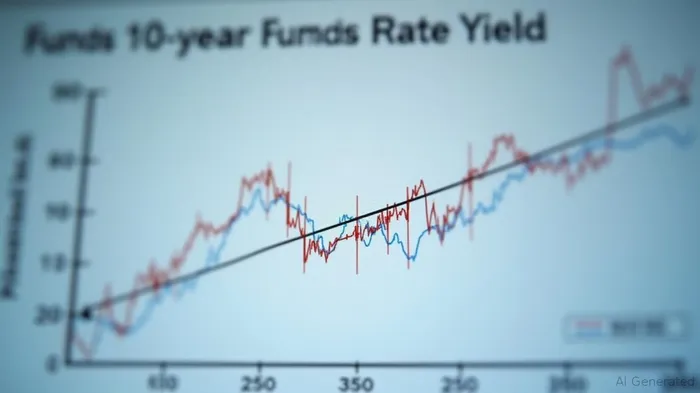
The Fed's Dilemma: Trade, Inflation, and Patience
The Federal Reserve's June 2025 decision to hold the federal funds rate steady at 4.25%-4.5% underscores its cautious approach. While inflation has retreated from pandemic peaks, it remains stubbornly above the 2% target, and trade policy volatility—particularly tariffs—introduces risks of both higher unemployment and inflation. Fed Chair Jerome Powell has emphasized that policy will remain “data-dependent,” with decisions hinging on incoming inflation and employment data.
The Fed's patience reflects a balancing act: avoid stifling growth by cutting rates prematurely, yet prevent inflation from becoming entrenched. This stance is unlikely to change soon.
Mortgage Rates: Stuck in the Middle
Mortgage rates, which track the 10-year Treasury yield, are unlikely to drop significantly in 2025. Analysts project the 30-year fixed-rate mortgage to linger in the mid-to-high 6% range through year-end, with a gradual decline to 6.2%-6.5% by late 2026. This “higher-for-longer” scenario stems from two factors:
- Tariff-Driven Inflation: Trade policies risk prolonging inflationary pressures, limiting the Fed's ability to cut rates aggressively.
- Structural Shifts: High national debt levels and a decades-low unemployment rate (3.4%) mean the era of 3%-4% mortgages is over.
Impact on the Housing Market
The combination of elevated rates and resilient demand has created a paradox: prices continue to rise (up nearly 5% in 2025), even as affordability strains buyers. First-time homebuyers are being priced out, while existing homeowners face sticker shock refinancing. Meanwhile, homebuilders are caught between rising material costs and slowing sales.
Investment Implications: Where to Look
For Homebuyers:
- Act Strategically: While rates may dip slightly, waiting risks missing out on rising prices. Focus on homes within budget and consider shorter-term horizons.
- Rent or Refinance: Renters in high-growth areas might benefit from price appreciation. Those with adjustable-rate mortgages should explore fixed-rate refinancing if rates ease further.
For Investors:
- Diversify Exposure: Avoid overconcentration in homebuilder stocks (e.g., D.R. Horton, Toll Brothers) unless valuations reflect slower growth.
- Consider Alternatives: Real estate investment trusts (REITs) in resilient sectors like industrial or healthcare may offer steadier returns.
- Monitor Treasury Yields: The 10-year yield's direction will signal mortgage rate trends—investors in long-duration bonds should remain cautious.
The Fed's Next Move: Watch for These Triggers
- Inflation Data: A sustained decline in the CPI (target: below 3% year-over-year) could unlock rate cuts by late 2025.
- Employment Trends: Unemployment rising above 4% might push the Fed to pivot, but a labor market “soft landing” remains elusive.
- Trade Policy Clarity: A resolution on tariffs could reduce uncertainty, allowing the Fed to act more decisively.
Conclusion: Adapting to a New Normal
The Fed's caution and the housing market's structural shifts mean investors must recalibrate expectations. While a return to pre-pandemic rates is unlikely, gradual declines could create pockets of opportunity. For now, focus on stability: prioritize cash flow, avoid over-leverage, and remain agile as data evolves. The housing market's next chapter will be written not by fleeting rate cuts, but by how well households and investors adapt to this higher-rate reality.
In this environment, the most resilient players will be those who embrace patience and diversification—and avoid mistaking hope for data.







Comentarios
Aún no hay comentarios