
Rising Energy and Transportation Costs Pose Risks for Global Markets
The U.S.-Iran conflict is increasing global energy prices and disrupting supply chains, particularly affecting gas, diesel, and food sectors according to reports. The Strait of Hormuz, a key shipping route, is experiencing delays due to the conflict, driving up transportation costs for oil and other goods as data shows. Analysts warn that retail prices could rise significantly as the retail industry faces pressures from both rising input costs and shifting consumer demand according to analysis.
Gas prices in the U.S. have reached $3.48 per gallon, up nearly 17% since early March 2026, while diesel prices have climbed 24% to $4.66 per gallon according to reports. The Strait of Hormuz, which handles one-fifth of the world's oil, is experiencing delays and bottlenecks that are exacerbating global oil price fluctuations as research indicates.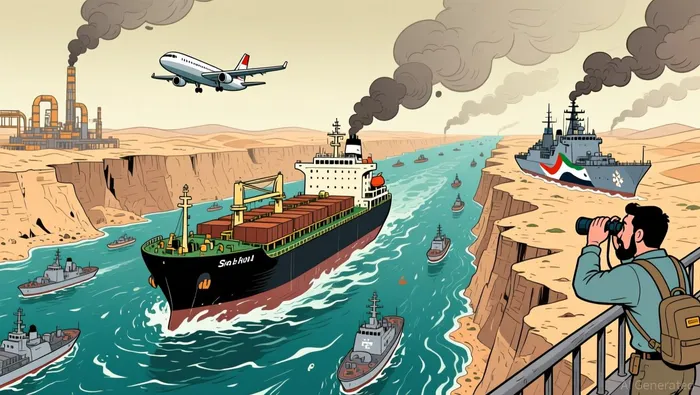 If the conflict continues, experts suggest gas prices could reach $3.75 or $4 per gallon in the coming weeks according to forecasts.
The agricultural sector is also being impacted, with the National Farmers' Union warning of potential food shortages and rising prices in the UK according to warnings. Higher energy and transportation costs are making it increasingly difficult for growers to sustain production, particularly for perishable goods like fruits and vegetables according to analysis. This scenario mirrors past supply chain disruptions seen during the 2022 Ukraine war as noted in reports.
Retailers are facing similar challenges, as the closure of the Strait of Hormuz disrupts the flow of essential goods and increases logistics costs according to industry reports. Groceries, which have less flexible supply chains than other products like apparel, are likely to see price increases first as analysts observe. Logistics companies are advising shippers to expect continued variability in service and pricing according to industry guidance.
How Will Energy Prices Impact Global Markets?
The rise in oil prices has already had a significant impact on energy-dependent sectors, with gas prices serving as a leading indicator of broader economic pressures according to analysis. The volatility in oil prices is also affecting consumer confidence and spending patterns, compounding the financial strain on households as data shows. As the conflict continues, energy prices could remain elevated, affecting not only transportation costs but also the prices of manufactured goods and food according to forecasts.
Mark Zandi, chief economist at Moody's Analytics, has highlighted the potential for further price hikes if the conflict does not de-escalate according to reports. This uncertainty could create a ripple effect across global markets, affecting sectors that rely on stable energy prices to maintain production and profit margins as industry experts note.
What Are the Broader Economic Implications?
The disruption to global supply chains is not limited to the energy sector. The closure of the Strait of Hormuz is also affecting the transportation of fertilizers, metals, and other critical goods according to industry analysis. C.H. Robinson, a major logistics provider, has warned that shippers should prepare for continued variability in service and pricing as company guidance states. This uncertainty could have long-term implications for global trade, particularly for sectors with less flexibility in supply chain adjustments according to industry reports.
Max Kahn of Coresight Research has noted that the retail industry may already be approaching its limits in absorbing these disruptions according to analysis. The combination of rising input costs and falling consumer confidence could lead to further price increases, particularly for essential goods like groceries as industry data shows. Retailers selling discretionary items, such as apparel and electronics, may be hit harder as consumers cut back on non-essential purchases according to market observations.
The U.S.-Iran conflict is also having a direct impact on food production and distribution. The National Farmers' Union has warned of potential empty supermarket shelves due to rising energy and transportation costs according to warnings. Growers are increasingly reluctant to continue production if the costs become unsustainable, raising concerns about food supply stability as analysis indicates. This scenario has parallels with the 2022 Ukraine war, which saw similar disruptions to global food markets as noted in reports.
What Are the Key Risks for Investors?
Investors should be aware of the potential for prolonged price volatility in energy and essential goods markets according to forecasts. The uncertainty surrounding the conflict and its impact on global trade could lead to further price hikes, particularly for energy and food sectors as industry analysis shows. Companies in the logistics and retail industries are also facing increased risk due to the potential for ongoing supply chain disruptions according to industry reports.
The closure of the Strait of Hormuz is likely to have lasting effects on global trade, particularly for industries that rely on stable and predictable transportation routes according to industry analysis. Companies with strong logistics and supply chain flexibility may be better positioned to navigate these challenges, but even they could face significant operational and cost pressures as experts observe.
Investors should monitor developments in the conflict and their impact on global markets, particularly in the energy, food, and retail sectors according to analysis. The potential for further disruptions to trade and production could have lasting implications for global economic stability and investor returns as industry data shows.







Comentarios
Aún no hay comentarios