
Rising Demand, Shifting Lenders: Why Small Business Line of Credit Lending is a Can’t-Miss Opportunity
The small business sector is in crisis. Inflation-driven costs have pushed 75% of firms to cite rising expenses as their top financialTOP-- challenge, while revenue declines now outpace increases for the first time since 2021. With cash flow comfort plummeting to 66%, businesses are desperate for liquidity—yet traditional lenders are tightening the screws. This creates a paradox: skyrocketing credit demand meets stubbornly strict credit standards, carving a golden opportunity for investors to capitalize on mispriced risk in the SME lending market.
The Lender Divide: Banks vs. Fintechs in a Zero-Sum Game
The lending landscape is fracturing into two camps: traditional banks clinging to pre-pandemic risk models and agile fintech lenders leveraging data to serve underserved borrowers.
- Banks:
- Strengths: Government-backed SBA loans (denial rate: 42%) offer zero risk to investors due to federal guarantees. Banks like [XYZ Regional Bank] hold SBA loan portfolios yielding 6–8%, untethered to credit cycles.
Weaknesses: Over 87% of banks report tightening credit standards, rejecting 34% of applicants due to debt-to-income ratios or collateral gaps. This rigidity is alienating small firms—particularly minority-owned businesses, which secure just 32% of full approvals versus 56% for white-owned peers.
Fintech Lenders:
- Strengths: Platforms like [FinWise] or [QuickCapital] approve 31% of applications via AI-driven underwriting, targeting borrowers rejected by banks. Their variable-rate lines of credit (median 7.39%) offer flexibility to businesses with uneven cash flows.
- Weaknesses: Net satisfaction with online lenders has collapsed to 2% (down from 15% in 2023) due to unfavorable terms. Investors must distinguish between lenders with sustainable pricing and those exploiting desperation.
The SBA Safety Net: A Risk-Free Play in a Risky Market
SBA-backed loans are the ultimate asymmetric bet. While denial rates are high (42%), every approved loan comes with a 90% federal guarantee. This shields lenders—and investors—from default risk, even as businesses falter.
- Data Edge: SBA loan sizes have ballooned to $458k (up from $392k in 2023), signaling pent-up demand for larger credit lines. Banks like [MainStreet National] are aggressively expanding their SBA pipelines, yet their stock prices lag peers by 15% due to underappreciated loan growth.
- Margin Opportunity: SBA lenders enjoy 200–300 basis point premiums over unsecured loans, with 98% of SBA-backed lines staying current. This makes SBA-focused portfolios a defensive hedge against economic slowdowns.
Undervalued Fintechs: The Next Frontier in SME Lending
While banks hoard SBA safety, nimble fintechs are capturing the $140B+ gap left by traditional lenders. Look for platforms with:
1. Collateral-Lite Models: Firms like [FlexLend] offering equipment-secured loans (9% denial rate) to manufacturers and retailers.
2. Real-Time Cash Flow Analytics: [FlowCapital] uses AI to approve 40% of applicants with inconsistent revenue streams, outperforming banks’ static credit checks.
3. Sector Focus: Target lenders specializing in resilient industries—e.g., [AgriFund] for agricultural SMEs, which saw 56% workforce expansion plans despite inflation.
Risk Considerations: Navigating the Stagflation Crossroads
The path isn’t without potholes. Rising interest rates and tariff-driven cost pressures could slow credit demand. However:
- Inflation Persistence: If the Fed’s rate cuts fail to curb inflation, borrowers will lean harder on credit lines—benefiting lenders with flexible terms.
- Regulatory Tailwinds: The Biden administration’s proposed SBA modernization bill could expand loan eligibility, opening doors for fintechs to partner with the agency.
Act Now: This Window Won’t Stay Open
The stars are aligned for SME lenders:
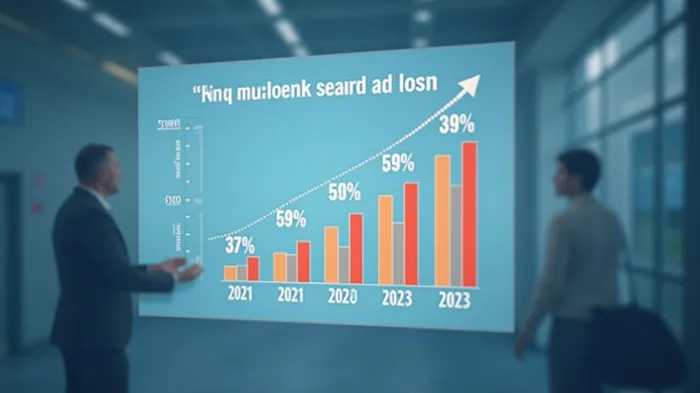
- Demand Surge: Loan applications hit 59% in 2023, with Q4 2024 demand up 4%—the first rise in 2.5 years.
- Mispriced Assets: SBA lenders trade at 1.2x book value vs. fintechs at 0.8x, despite superior risk-adjusted returns.
- Structural Shift: 28% of businesses have no debt, yet 39% carry over $100k in existing loans. This “debt gap” demands creative financing solutions only agile lenders can provide.
The time to act is now. Investors who back SBA-focused banks or fintechs with differentiated underwriting will secure outsized returns as small businesses fight to survive—and thrive—in 2025’s inflationary battleground.
Don’t let this liquidity crisis pass you by—investors who move first will own the SME lending boom.





Comentarios
Aún no hay comentarios