
The Rise of Stablecoin Savings in Africa: A New Frontier for Fintech Growth
Strategic Partnerships: The Engine of Adoption
The proliferation of stablecoin savings in Africa is being driven by partnerships that bridge the gap between cutting-edge technology and grassroots financial needs. For instance, Yellow Card's alliances with Tether, Circle, and PayPal have enabled over 1 million Africans to access stablecoin-based remittances, bill payments, and savings tools. These partnerships have generated $7 billion in transaction volumes, demonstrating the practical utility of stablecoins in everyday economic activity.
In 2025, Flutterwave and Polygon Labs launched a stablecoin-powered cross-border payments network spanning 34 African countries, including Ghana and South Africa. By leveraging blockchain, the platform reduces transaction fees from 6% to under 1% and slashes settlement times from days to minutes. This initiative has already seen a surge in adoption, particularly in Nigeria, where currency devaluation has pushed users to seek stable digital alternatives.
Such partnerships are not limited to fintechs. Ripple's RLUSD stablecoin, integrated with Chipper Cash and VALR, has further streamlined institutional and retail payments, reducing cross-border costs by up to 60%. These collaborations align with global regulatory frameworks like the U.S. GENIUS Act, ensuring compliance while fostering innovation.
Financial Inclusion: A New Era of Access
Stablecoins are addressing systemic barriers to financial inclusion. In Sub-Saharan Africa, where remittances totaled $54 billion in 2023, stablecoins have cut transaction costs from 8-10% to under 1%, aligning with the UN's Sustainable Development Goal to reduce remittance fees to less than 3% by 2030. For small businesses and freelancers, this means faster access to liquidity and protection against inflation.
A vivid example is Kenya's micro-task workers, who now use stablecoins to make affordable cross-border payments. Similarly, freelancers in Accra benefit from near-instant settlements, bypassing the delays and inefficiencies of traditional banks. Over $54 billion in stablecoin transactions were recorded in Sub-Saharan Africa between July 2023 and June 2024, underscoring the continent's organic adoption of these tools.
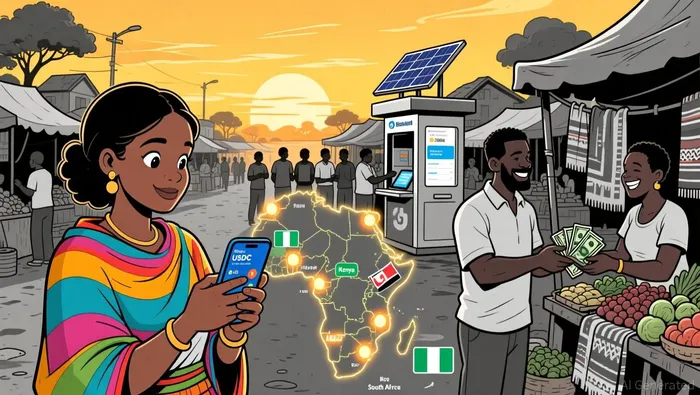
Investment Returns: Efficiency and Scalability
Beyond inclusion, stablecoins are enhancing investment returns by optimizing working capital and reducing transaction costs. African financial institutions leveraging stablecoins for cross-border settlements and supplier payments have achieved cost reductions of up to 40%. For enterprises engaged in international trade, this efficiency translates to higher profit margins and faster reinvestment cycles.
The Central Bank of Nigeria's 2024 approval of a Naira stablecoin exemplifies how governments are balancing innovation with monetary sovereignty. By creating regulated alternatives to global stablecoins, policymakers aim to preserve seigniorage revenues while embracing the benefits of digital finance.
Regulatory Collaboration: A Path Forward
The long-term viability of stablecoins hinges on regulatory clarity. Kenya's Virtual Asset Service Providers Bill (2025) is a landmark example of how collaboration between regulators and innovators can provide legitimacy to the stablecoin ecosystem. Similarly, the EU's MiCA legislation and the U.S. GENIUS Act are informing African policymakers on balancing oversight with innovation.
However, challenges remain. The "digital dollarization" of African economies risks eroding public finances, with seigniorage losses estimated at 1.0–1.5% of GDP. To mitigate this, governments must strengthen tax systems and promote local-currency stablecoins or CBDCs as regulated alternatives.
Conclusion
Stablecoin savings in Africa are no longer a niche experiment-they are a transformative force. Through strategic partnerships, fintechs are democratizing access to global liquidity, while governments are crafting frameworks to harness this potential responsibly. For investors, the continent's stablecoin ecosystem represents a high-growth opportunity, blending financial inclusion with scalable returns. As Africa's digital economy continues to evolve, one thing is clear: the future of finance is being written in stablecoins.







Comentarios
Aún no hay comentarios