
The Rise of rcUSDC Vaults and the Future of Stablecoin Yield Strategies
The DeFi landscape in 2025 has witnessed a paradigm shift with the emergence of rcUSDC vaults, blending institutional-grade stability with decentralized innovation. Among these, Ember's R25 rcUSDC Vault, launched on the SuiSUI-- network via TopNod Wallet, has captured significant attention. This article evaluates the immediate appeal of the vault's yield structure and liquidity flexibility while dissecting its long-term viability through the lenses of smart contract security, regulatory alignment, and macroeconomic trends.
Immediate Attraction: High Yield and Institutional-Grade Flexibility
Ember's R25 rcUSDC Vault offers a compelling value proposition for investors seeking stable returns. The product promises a 12% annual percentage yield (APY) over a 12-month period, with an additional 2% bonus yield for the first three months for qualifying users according to a press release. This structure directly addresses the persistent issue of "predatory APY" in DeFi, where unsustainable high yields often collapse under liquidity pressures. By capping initial deposits at $7 million, the vault mitigates overexposure while incentivizing early participation.
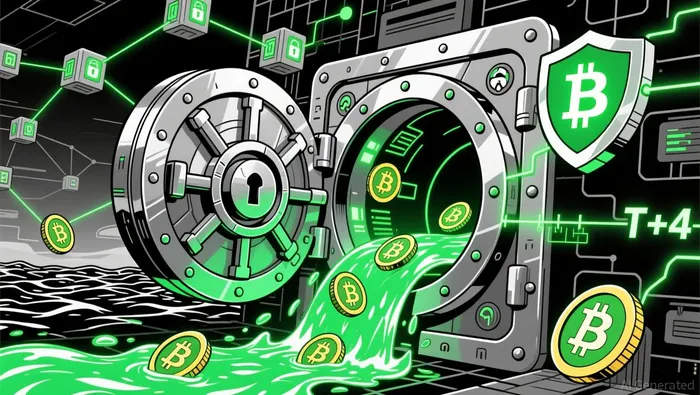
A critical differentiator is the flexible liquidity model, allowing users to withdraw funds at any time with a four-day settlement period (T+4) according to analysis. This contrasts sharply with traditional fixed-term stablecoin products, which often lock capital for extended durations. The integration with TopNod Wallet further enhances accessibility, leveraging key sharding and Trusted Execution Environment (TEE) technology to ensure security without compromising decentralization according to industry analysis. For institutional and retail investors alike, this combination of yield, flexibility, and security represents a novel approach to stablecoin DeFi.
Long-Term Viability: Smart Contract Risks and Regulatory Alignment
Despite its immediate appeal, the vault's long-term sustainability hinges on two critical factors: smart contract security and regulatory compliance.
Smart Contract Vulnerabilities
The DeFi ecosystem remains vulnerable to exploits, with over $2.2 billion stolen in 2024 due to smart contract flaws. While the Ember R25 rcUSDC Vault's documentation does not explicitly confirm third-party audit status, industry best practices mandate rigorous manual code reviews and penetration testing to identify complex vulnerabilities according to a compliance checklist. The absence of a publicly available audit report raises concerns about transparency, particularly for a product targeting institutional-grade returns. Investors must weigh the potential rewards against the risk of unverified smart contract integrity.
Regulatory Compliance
The vault's alignment with 2025 regulatory frameworks, however, is a strong positive. The GENIUS Act, enacted in July 2025, requires stablecoin issuers to operate under banking regulators, ensuring reserve adequacy and preventing unauthorized issuance according to regulatory analysis. While the vault itself does not issue rcUSDC, its operational model appears to comply with these standards by relying on permitted stablecoin issuers according to industry reports. Additionally, the T+4 settlement period mirrors requirements under the EU's MiCA regulation, emphasizing redemption efficiency and transparency according to a policy review. TopNod's advanced security protocols further align with SEC 2025 cyberCYBER-- compliance mandates, including incident response and customer data protection according to compliance guidelines. These measures suggest a deliberate effort to navigate the evolving regulatory landscape.
Macro Trends: Renewable Energy and DeFi Sustainability
A less-discussed but pivotal factor in the vault's long-term viability is the global energy transition. In 2025, solar and wind energy accounted for 17.6% of global electricity generation, surpassing coal in key markets according to sustainability reports. This shift reduces the carbon footprint of blockchain operations, indirectly enhancing the sustainability of DeFi products like the Ember vault. Moreover, declining battery costs have enabled continuous solar generation, making renewable-powered blockchain networks economically viable according to the same analysis. As institutional investors prioritize ESG criteria, the alignment of DeFi protocols with green energy trends could bolster their credibility and adoption.
Conclusion: Balancing Innovation and Caution
Ember's R25 rcUSDC Vault exemplifies the next phase of stablecoin yield strategies, offering competitive returns and institutional-grade flexibility. However, its success will depend on addressing smart contract risks through transparent audits and maintaining regulatory agility as frameworks evolve. For investors, the vault represents a high-yield opportunity in a maturing DeFi ecosystem, but due diligence remains paramount. As renewable energy trends and regulatory clarity converge, the future of stablecoin DeFi may well be defined by projects that harmonize innovation with sustainability.






Comentarios
Aún no hay comentarios