
Rio Tinto's Argentina Bet: Rincon Project Draws Attention, Activists Push for Consolidation
Generado por agente de IAWesley Park
miércoles, 4 de diciembre de 2024, 7:54 am ET1 min de lectura
RIO--
Rio Tinto, the global mining giant, has recently released initial estimates for its Rincon Lithium Project in Argentina, sparking interest in the investment community. The project, located in the heart of the lithium triangle, holds significant potential for the company and the global energy transition. However, activists are pushing for a strategic move that could reshape Rio Tinto's future.
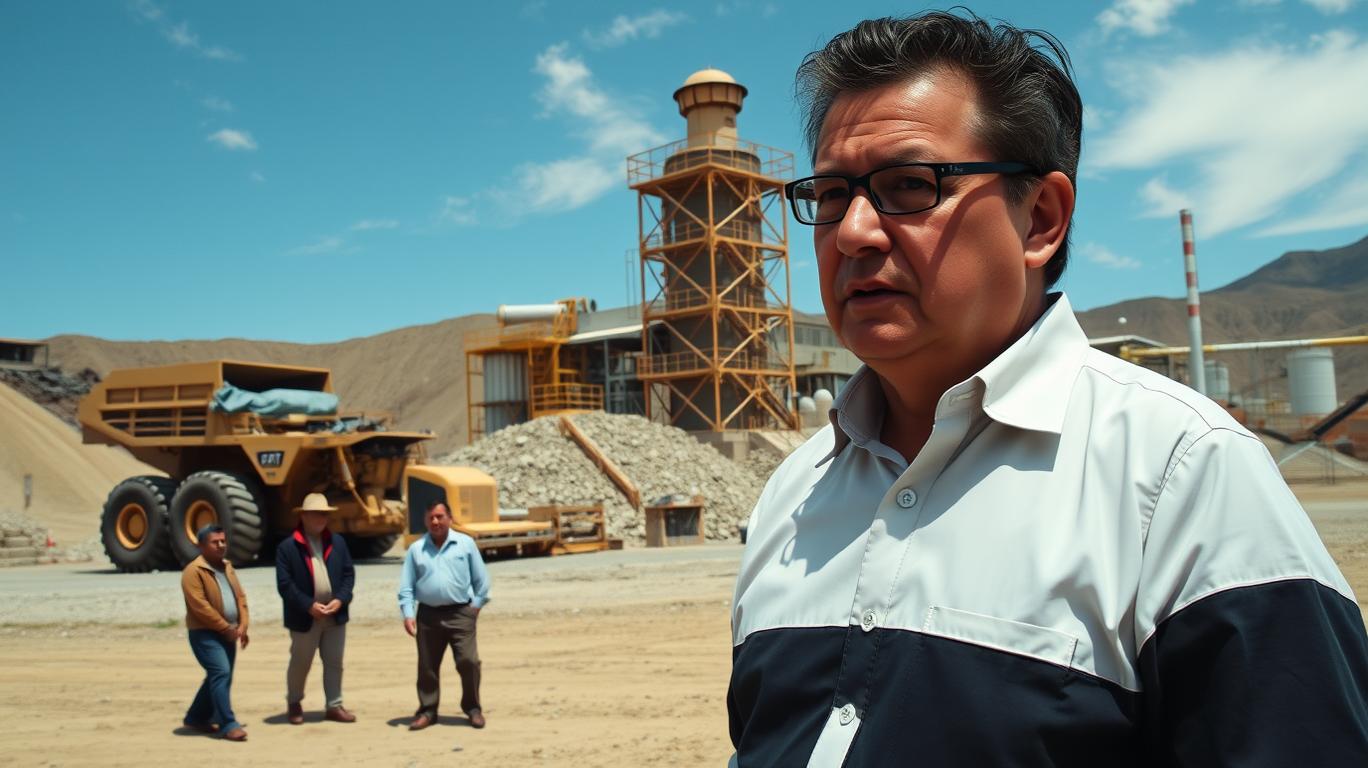
The Rincon project boasts a massive lithium resource, with measured and indicated resources of 11.8 million tonnes of lithium carbonate equivalent, and a projected 40-year mine life. Rio Tinto's acquisition of the project for $825 million positions the company to meet the soaring demand for battery-grade lithium, vital for electric vehicles and energy storage. The project's direct lithium extraction technology, a deviation from traditional solar evaporation ponds, offers higher lithium recoveries and a lower carbon footprint, aligning with Rio Tinto's decarbonization commitment by 2050.
However, the investment landscape for Rio Tinto is not without its challenges. Activist investors, such as Palliser Capital and Blackwattle Investment Partners, have called on the company to consolidate its primary listing in Sydney, Australia, and abandon its dual listing structure across London and Sydney. They argue that this move would bring the company in line with its competitor BHP, which relocated its primary listing to Sydney in 2022.
But why is this consolidation push significant? By moving its primary listing to Sydney, Rio Tinto could potentially gain a more stable and predictable investment environment. The Sydney Stock Exchange has shown resilience in recent years, providing a more supportive ecosystem for mining companies. Moreover, a single primary listing could simplify Rio Tinto's capital structure and reduce costs, allowing the company to focus on growth and operational efficiency.
Yet, the question remains: should Rio Tinto heed the activists' call for consolidation? As an investor, I would argue that a one-size-fits-all approach might not be the best strategy for Rio Tinto. The company's diverse global operations and unique investment opportunities warrant a more tailored approach to capital structure and listings. Furthermore, the potential impact of labor market dynamics, wage inflation, and geopolitical tensions on the company's projects, such as the Rincon project, should be carefully considered before making any significant changes.
In conclusion, the Rincon project represents a promising opportunity for Rio Tinto to strengthen its battery materials business and position itself to meet the growing demand for lithium. However, the company should weigh the pros and cons of the activists' consolidation push, considering the potential impact on its capital structure, investment environment, and operational efficiency. As investors, we should remain vigilant and stay informed about the developments surrounding Rio Tinto and its strategic decisions, as they ultimately shape the company's future and our portfolios.
Rio Tinto, the global mining giant, has recently released initial estimates for its Rincon Lithium Project in Argentina, sparking interest in the investment community. The project, located in the heart of the lithium triangle, holds significant potential for the company and the global energy transition. However, activists are pushing for a strategic move that could reshape Rio Tinto's future.
The Rincon project boasts a massive lithium resource, with measured and indicated resources of 11.8 million tonnes of lithium carbonate equivalent, and a projected 40-year mine life. Rio Tinto's acquisition of the project for $825 million positions the company to meet the soaring demand for battery-grade lithium, vital for electric vehicles and energy storage. The project's direct lithium extraction technology, a deviation from traditional solar evaporation ponds, offers higher lithium recoveries and a lower carbon footprint, aligning with Rio Tinto's decarbonization commitment by 2050.
However, the investment landscape for Rio Tinto is not without its challenges. Activist investors, such as Palliser Capital and Blackwattle Investment Partners, have called on the company to consolidate its primary listing in Sydney, Australia, and abandon its dual listing structure across London and Sydney. They argue that this move would bring the company in line with its competitor BHP, which relocated its primary listing to Sydney in 2022.
But why is this consolidation push significant? By moving its primary listing to Sydney, Rio Tinto could potentially gain a more stable and predictable investment environment. The Sydney Stock Exchange has shown resilience in recent years, providing a more supportive ecosystem for mining companies. Moreover, a single primary listing could simplify Rio Tinto's capital structure and reduce costs, allowing the company to focus on growth and operational efficiency.
Yet, the question remains: should Rio Tinto heed the activists' call for consolidation? As an investor, I would argue that a one-size-fits-all approach might not be the best strategy for Rio Tinto. The company's diverse global operations and unique investment opportunities warrant a more tailored approach to capital structure and listings. Furthermore, the potential impact of labor market dynamics, wage inflation, and geopolitical tensions on the company's projects, such as the Rincon project, should be carefully considered before making any significant changes.
In conclusion, the Rincon project represents a promising opportunity for Rio Tinto to strengthen its battery materials business and position itself to meet the growing demand for lithium. However, the company should weigh the pros and cons of the activists' consolidation push, considering the potential impact on its capital structure, investment environment, and operational efficiency. As investors, we should remain vigilant and stay informed about the developments surrounding Rio Tinto and its strategic decisions, as they ultimately shape the company's future and our portfolios.

Divulgación editorial y transparencia de la IA: Ainvest News utiliza tecnología avanzada de Modelos de Lenguaje Largo (LLM) para sintetizar y analizar datos de mercado en tiempo real. Para garantizar los más altos estándares de integridad, cada artículo se somete a un riguroso proceso de verificación con participación humana.
Mientras la IA asiste en el procesamiento de datos y la redacción inicial, un miembro editorial profesional de Ainvest revisa, verifica y aprueba de forma independiente todo el contenido para garantizar su precisión y cumplimiento con los estándares editoriales de Ainvest Fintech Inc. Esta supervisión humana está diseñada para mitigar las alucinaciones de la IA y garantizar el contexto financiero.
Advertencia sobre inversiones: Este contenido se proporciona únicamente con fines informativos y no constituye asesoramiento profesional de inversión, legal o financiero. Los mercados conllevan riesgos inherentes. Se recomienda a los usuarios que realicen una investigación independiente o consulten a un asesor financiero certificado antes de tomar cualquier decisión. Ainvest Fintech Inc. se exime de toda responsabilidad por las acciones tomadas con base en esta información. ¿Encontró un error? Reportar un problema


SOBRE NOSOTROS
Nuestra historiaAutores de noticiasBase de conocimientosPolítica de privacidadTérmino de usoDescargo de responsabilidad de corretaje de tercerosTérminos de uso de AIMEDivulgaciones de riesgos de AInvest AICarrerasCONTÁCTENOS
Email: support@ainvest.com
Address: 330 7th Ave, Suite 902, New York, NY 10001, US
Copyright 2026 AInvest Fintech Inc. All rights reserved.


Comentarios
Aún no hay comentarios