
Rio Tinto's Big Bet on Local Manufacturing: The Future of Iron Ore Rail Cars
Generado por agente de IAWesley Park
jueves, 3 de abril de 2025, 12:19 am ET1 min de lectura
RIO--
Ladies and gentlemen, buckle up! We're diving headfirst into the world of iron ore and the game-changing move by Rio TintoRIO-- to bring rail car manufacturing back to Western Australia. This isn't just a story about rail cars; it's about resilience, innovation, and a bold bet on the future. So, let's get started!
Why Local Manufacturing? The Big Picture
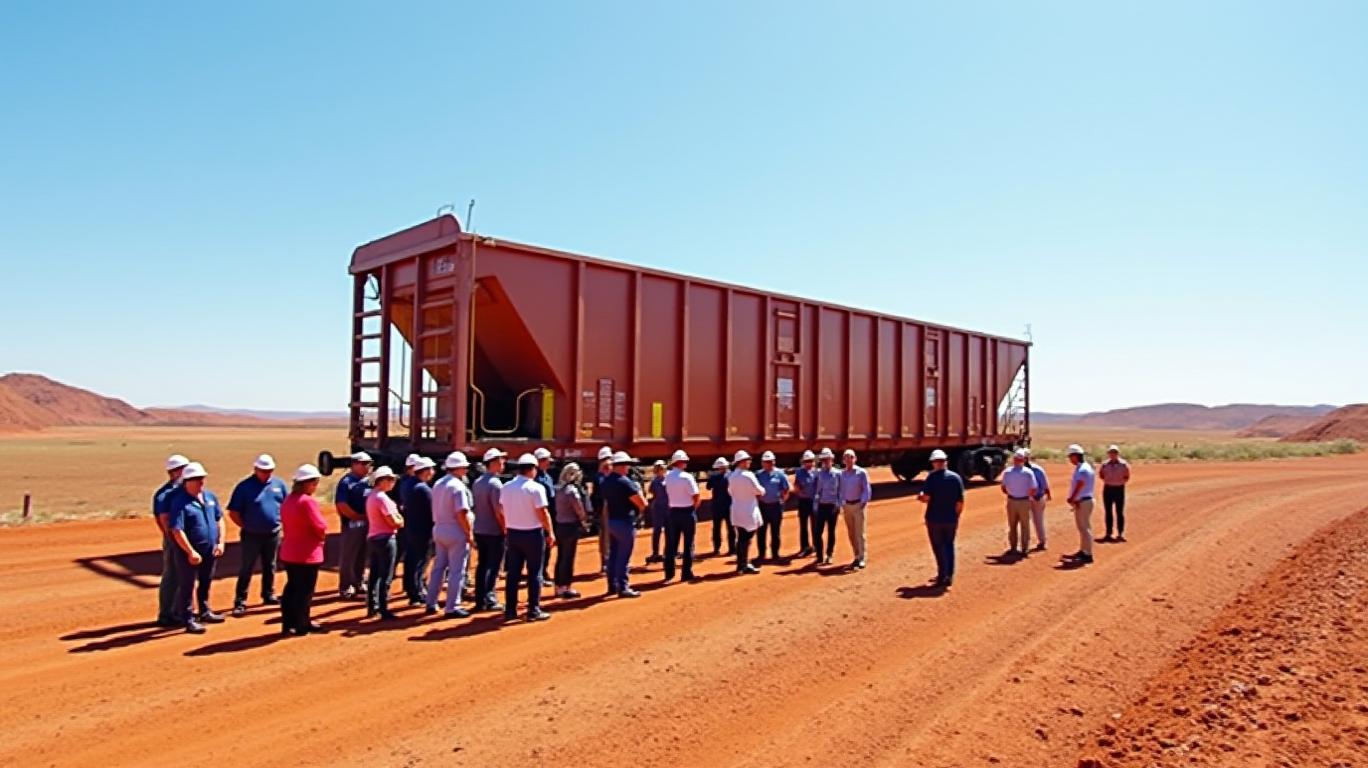
Rio Tinto is making a massive $150 million investment to build 100 new rail cars right here in Western Australia. Why the big move? It's all about supply chain resilience and long-term sustainability. The COVID-19 pandemic taught us that global supply chains can be fragile, and Rio Tinto is taking action to mitigate those risks. By manufacturing locally, they can ensure a steady supply of components, reduce transportation costs, and lower their carbon footprint. It's a win-win-win!
The Numbers Don't Lie
Let's break it down with some hard numbers. Rio Tinto operates about 14,000 rail cars across its Pilbara rail network, each capable of holding close to 120 tonnes of iron ore. That's a lot of iron ore! By manufacturing these rail cars locally, Rio Tinto can reduce the need to transport components between the Pilbara and Perth, saving an estimated 150 truck journeys and 300 tonnes of CO2 per year. That's a massive environmental win!
The Economic Boost
But it's not just about the environment. This move is a massive boost for the local economy. The new Karratha facility is expected to employ around 20 people, creating jobs and supporting local businesses. And let's not forget the $6.9 million investment from the Western Australian government to support this initiative. It's a clear signal that the government is committed to rebuilding local manufacturing capacity.
The Long-Term Play
Now, you might be thinking, "This sounds great, but what about the upfront costs?" And you're right to ask. The initial investment is higher than sourcing components from overseas. But Rio Tinto is playing the long game here. They've crunched the numbers and are confident that the long-term benefits will outweigh the upfront costs. Faster delivery times, reduced supply chain disruptions, and lower transportation costs all add up to a more efficient and sustainable operation.
The Bottom Line
So, what's the takeaway? Rio Tinto's decision to invest in locally manufactured iron ore rail cars is a bold move that aligns with their long-term strategic goals. It's about resilience, sustainability, and supporting the local economy. And while there are risks, the potential benefits are too big to ignore. This is a no-brainer for Rio Tinto, and it's a move that could set a new standard for the industry.
So, are you ready to jump on board? Because this train is leaving the station, and it's headed straight for the future!
Ladies and gentlemen, buckle up! We're diving headfirst into the world of iron ore and the game-changing move by Rio TintoRIO-- to bring rail car manufacturing back to Western Australia. This isn't just a story about rail cars; it's about resilience, innovation, and a bold bet on the future. So, let's get started!
Why Local Manufacturing? The Big Picture
Rio Tinto is making a massive $150 million investment to build 100 new rail cars right here in Western Australia. Why the big move? It's all about supply chain resilience and long-term sustainability. The COVID-19 pandemic taught us that global supply chains can be fragile, and Rio Tinto is taking action to mitigate those risks. By manufacturing locally, they can ensure a steady supply of components, reduce transportation costs, and lower their carbon footprint. It's a win-win-win!
The Numbers Don't Lie
Let's break it down with some hard numbers. Rio Tinto operates about 14,000 rail cars across its Pilbara rail network, each capable of holding close to 120 tonnes of iron ore. That's a lot of iron ore! By manufacturing these rail cars locally, Rio Tinto can reduce the need to transport components between the Pilbara and Perth, saving an estimated 150 truck journeys and 300 tonnes of CO2 per year. That's a massive environmental win!
The Economic Boost
But it's not just about the environment. This move is a massive boost for the local economy. The new Karratha facility is expected to employ around 20 people, creating jobs and supporting local businesses. And let's not forget the $6.9 million investment from the Western Australian government to support this initiative. It's a clear signal that the government is committed to rebuilding local manufacturing capacity.
The Long-Term Play
Now, you might be thinking, "This sounds great, but what about the upfront costs?" And you're right to ask. The initial investment is higher than sourcing components from overseas. But Rio Tinto is playing the long game here. They've crunched the numbers and are confident that the long-term benefits will outweigh the upfront costs. Faster delivery times, reduced supply chain disruptions, and lower transportation costs all add up to a more efficient and sustainable operation.
The Bottom Line
So, what's the takeaway? Rio Tinto's decision to invest in locally manufactured iron ore rail cars is a bold move that aligns with their long-term strategic goals. It's about resilience, sustainability, and supporting the local economy. And while there are risks, the potential benefits are too big to ignore. This is a no-brainer for Rio Tinto, and it's a move that could set a new standard for the industry.
So, are you ready to jump on board? Because this train is leaving the station, and it's headed straight for the future!

Divulgación editorial y transparencia de la IA: Ainvest News utiliza tecnología avanzada de Modelos de Lenguaje Largo (LLM) para sintetizar y analizar datos de mercado en tiempo real. Para garantizar los más altos estándares de integridad, cada artículo se somete a un riguroso proceso de verificación con participación humana.
Mientras la IA asiste en el procesamiento de datos y la redacción inicial, un miembro editorial profesional de Ainvest revisa, verifica y aprueba de forma independiente todo el contenido para garantizar su precisión y cumplimiento con los estándares editoriales de Ainvest Fintech Inc. Esta supervisión humana está diseñada para mitigar las alucinaciones de la IA y garantizar el contexto financiero.
Advertencia sobre inversiones: Este contenido se proporciona únicamente con fines informativos y no constituye asesoramiento profesional de inversión, legal o financiero. Los mercados conllevan riesgos inherentes. Se recomienda a los usuarios que realicen una investigación independiente o consulten a un asesor financiero certificado antes de tomar cualquier decisión. Ainvest Fintech Inc. se exime de toda responsabilidad por las acciones tomadas con base en esta información. ¿Encontró un error? Reportar un problema


SOBRE NOSOTROS
Nuestra historiaAutores de noticiasBase de conocimientosPolítica de privacidadTérmino de usoDescargo de responsabilidad de corretaje de tercerosTérminos de uso de AIMEDivulgaciones de riesgos de AInvest AICarrerasCONTÁCTENOS
Email: support@ainvest.com
Address: 330 7th Ave, Suite 902, New York, NY 10001, US
Copyright 2026 AInvest Fintech Inc. All rights reserved.


Comentarios
Aún no hay comentarios