
The Rig Count Collapse: Why Energy Investors Must Act Now Before the Floor Drops Out!
The U.S. oil rigRIG-- count—the lifeblood of domestic crude production—is in freefall. From a June 2024 peak of 485 rigs to just 479 as of May 2025, this 1.24% weekly decline and a staggering 12.27% annual drop signal a seismic shift in the energy landscape. 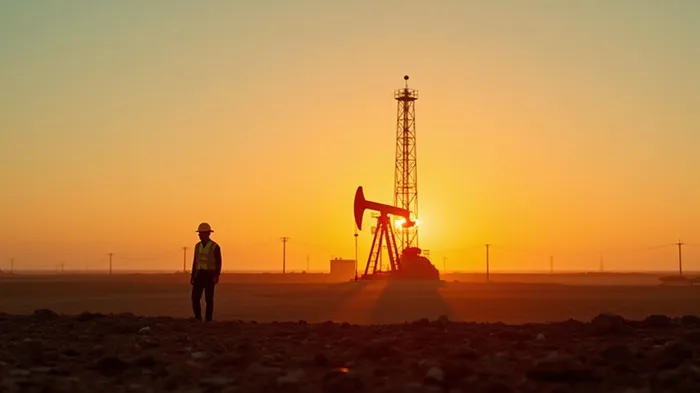 Declining rig activity, trade war-driven cost pressures, and OPEC+'s supply machinations are converging to create a high-stakes moment for energy investors. Let's dissect why this is a buy-or-beg moment for oil equities and commodities—and how to position your portfolio before the next shockwave hits.
The Rig Death Spiral: A Production Sustainability Crisis
The numbers don't lie. Since peaking at 1,609 rigs in 2014, the U.S. rig count has been on a rollercoaster, hitting a pandemic low of 267 oil rigs in 2020 and now retreating to 2021 levels—despite record production in 2023. . Here's the rub:
- Permian Basin rig counts dropped 6.7% year-over-year to 291 in early 2025, while natural gas rigs plunged 12.7%.
- New wells are half as productive as those drilled in 2019, with rapid decline rates gutting the Permian's “sweet spots.”
- The EIA now projects U.S. oil production growth to slow to 490,000 bpd in 2025, down from earlier estimates of 640,000 bpd—a 23% cut in growth expectations.
Why it matters: Sustaining production at 13.4 million bpd requires drilling in increasingly marginal areas. With rig counts falling and well productivity collapsing, the U.S. could face a production peak by late 2025, mirroring historical shale play declines. This isn't just a slowdown—it's a structural ceiling.
Trade Wars and Tariffs: The Silent Killer of Drilling Profits
The U.S.-China tariff feud is kneecapping drillers. China's 34% retaliatory tariffs on U.S. imports have spiked costs for steel, tubing, and fracking equipment—a 10–15% hit to drilling budgets. Meanwhile, U.S. tariffs on Canadian steel and Mexican aluminum add insult to injury.
.
- Breakeven costs for shale wells now average $65/barrel, but Brent crude trades at $68—a razor-thin margin.
- Frac crews have dropped 15% in 2025, with Permian Basin activity gutted.
The math is simple: no rigs = no production growth. And without growth, shale's “boom” becomes a bust.
OPEC+'s Playbook: Flooding Markets or Tightening Supply?
OPEC+ is playing a high-stakes game. After boosting output by 411,000 bpd in May 2025, they're testing whether they can outproduce U.S. shale and regain pricing power. But here's the twist:
- Global inventories are set to swell by 0.7 million bpd in Q3 2025, per the EIA—a supply overhang that could push prices below $60.
- Yet sanctions on Russia, Iran, and Venezuela remove 4 million bpd from global markets, creating a geopolitical floor.
Investment takeaway: OPEC+ can't outdrill the U.S. forever. Their moves are a buy-the-dip opportunity—short-term pain, long-term gain for oil bulls.
Investment Strategy: Play the Volatility—Aggressively
This is no time for passive investing. Here's how to profit:
1. Go Short-Term on Oil ETFs
- ProShares Ultra Oil & Gas (UGA): Leverages 2x the price swings of oil-heavy equities. Use it to bet on volatility as OPEC+ and shale clash.
- Short U.S. Oil ETFs (SCO): If OPEC+ succeeds in capping prices, shorting oil is a liquidity play—but exit quickly if geopolitical risks spike.
2. Buy Quality, Not Quantity
- Occidental Petroleum (OXY): Its Permian Basin assets are among the last with sub-$50 breakevens. Its partnership with Chevron in the DJ Basin gives it a moat in marginal times.
- EOG Resources (EOG): A high-margin, low-debt operator with a track record of outperforming during rig downturns.
3. Hedge with OPEC+ Winners
- National Iranian Oil Company (if sanctioned lifts): A wildcard play—positioning via Iranian-linked ETFs or offshore funds could pay off if sanctions ease.
- Gulf Keystone Petroleum (GKP): A smaller player in the Kurdistan region with underappreciated upside if OPEC+ supply cuts bite.
4. Avoid the Losers
- Small-cap shale players (PDC Energy, Whiting Petroleum): Their high debt and reliance on $70+ breakevens make them walking burnouts in this environment.
Final Warning: The Floor Is Crumbling—Act Before It's Too Late
The rig count collapse is not a temporary dip—it's a structural reckoning. With production peaking and costs rising, the energy market is a pressure cooker. Investors who ignore this trend risk being left holding the bag when crude prices surge again.
The clock is ticking: Position now in quality operators, short-term volatility plays, and OPEC+ hedges. This is your chance to profit from the rig count's death spiral—before the next shock hits.
.
Don't wait—act now. The floor is gone.
This is not financial advice. Consult your advisor before making investment decisions.







Comentarios
Aún no hay comentarios