
Ride-Hailing's New Rival: How Waymo's Robotaxis Impact Uber and Lyft Drivers
Generado por agente de IAWesley Park
viernes, 29 de noviembre de 2024, 12:53 pm ET1 min de lectura
GOOG--
In the dynamic world of ride-hailing, Uber and Lyft drivers are facing a new challenge: Waymo's robotaxis. These autonomous vehicles, developed by Google's Alphabet subsidiary, have begun to hit the streets in cities like Phoenix and Los Angeles, raising concerns about the impact on human drivers' earnings. This article explores the potential implications and offers insights for drivers and ride-hailing companies alike.
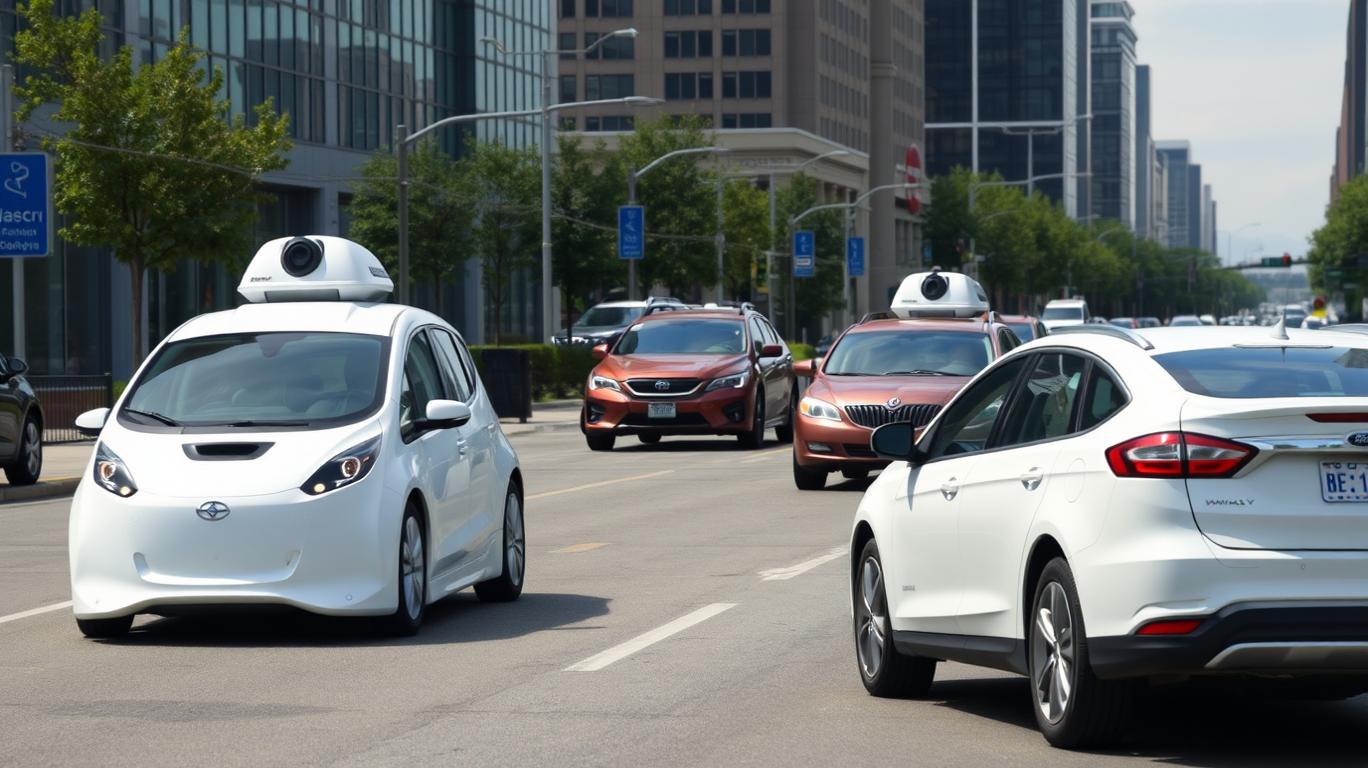
Waymo's robotaxis, such as the Jaguar SUVs and Chevrolet hatchbacks spotted in San Francisco, have been testing and refining their capabilities for years. With state regulators' approval, these autonomous vehicles are now operating paid services around the clock, providing stiff competition for human-driven rides. Drivers at Uber and Lyft are taking notice, with some reporting decreased earnings due to Waymo's expanding presence.
The question on everyone's mind is: how will this new autonomous competitor affect the ride-hailing landscape? To answer this, we must consider the unique advantages and challenges that robotaxis bring to the table. Autonomous vehicles offer efficient allocation, matching, and rerouting of vehicles, reducing human driver intervention and potentially lowering operating costs. However, they may also block emergency vehicles or cause traffic jams due to their limited real-world adaptability.
To mitigate these issues and ensure that drivers remain competitive, ride-hailing companies must adapt their strategies. They can do this by:
1. Optimizing dispatch algorithms: Ride-hailing platforms should refine their algorithms to manage AV and human-driven vehicles more effectively. This can help ensure that human drivers are allocated to high-demand areas and times, maximizing their earning potential.
2. Implementing strategic surge pricing: To counter the pricing advantage of robotaxis, ride-hailing companies can introduce surge pricing during peak demand times, incentivizing human drivers to stay active and meet increased passenger demand.
3. Retraining and transitioning drivers: As autonomous vehicles become more prevalent, ride-hailing companies should invest in retraining and transitioning drivers to new roles within the AV ecosystem. This can include maintenance, data analysis, and customer service positions.
In conclusion, Waymo's robotaxis pose both challenges and opportunities for Uber and Lyft drivers. By understanding the dynamics at play and adapting their strategies, ride-hailing companies can ensure that drivers remain competitive in the face of this new autonomous rival. As the market evolves, investors should keep a close eye on the performance of these companies and the potential long-term implications for drivers' earnings and job roles.
GOOGL--
LYFT--
PEV--
UBER--
In the dynamic world of ride-hailing, Uber and Lyft drivers are facing a new challenge: Waymo's robotaxis. These autonomous vehicles, developed by Google's Alphabet subsidiary, have begun to hit the streets in cities like Phoenix and Los Angeles, raising concerns about the impact on human drivers' earnings. This article explores the potential implications and offers insights for drivers and ride-hailing companies alike.
Waymo's robotaxis, such as the Jaguar SUVs and Chevrolet hatchbacks spotted in San Francisco, have been testing and refining their capabilities for years. With state regulators' approval, these autonomous vehicles are now operating paid services around the clock, providing stiff competition for human-driven rides. Drivers at Uber and Lyft are taking notice, with some reporting decreased earnings due to Waymo's expanding presence.
The question on everyone's mind is: how will this new autonomous competitor affect the ride-hailing landscape? To answer this, we must consider the unique advantages and challenges that robotaxis bring to the table. Autonomous vehicles offer efficient allocation, matching, and rerouting of vehicles, reducing human driver intervention and potentially lowering operating costs. However, they may also block emergency vehicles or cause traffic jams due to their limited real-world adaptability.
To mitigate these issues and ensure that drivers remain competitive, ride-hailing companies must adapt their strategies. They can do this by:
1. Optimizing dispatch algorithms: Ride-hailing platforms should refine their algorithms to manage AV and human-driven vehicles more effectively. This can help ensure that human drivers are allocated to high-demand areas and times, maximizing their earning potential.
2. Implementing strategic surge pricing: To counter the pricing advantage of robotaxis, ride-hailing companies can introduce surge pricing during peak demand times, incentivizing human drivers to stay active and meet increased passenger demand.
3. Retraining and transitioning drivers: As autonomous vehicles become more prevalent, ride-hailing companies should invest in retraining and transitioning drivers to new roles within the AV ecosystem. This can include maintenance, data analysis, and customer service positions.
In conclusion, Waymo's robotaxis pose both challenges and opportunities for Uber and Lyft drivers. By understanding the dynamics at play and adapting their strategies, ride-hailing companies can ensure that drivers remain competitive in the face of this new autonomous rival. As the market evolves, investors should keep a close eye on the performance of these companies and the potential long-term implications for drivers' earnings and job roles.

Divulgación editorial y transparencia de la IA: Ainvest News utiliza tecnología avanzada de Modelos de Lenguaje Largo (LLM) para sintetizar y analizar datos de mercado en tiempo real. Para garantizar los más altos estándares de integridad, cada artículo se somete a un riguroso proceso de verificación con participación humana.
Mientras la IA asiste en el procesamiento de datos y la redacción inicial, un miembro editorial profesional de Ainvest revisa, verifica y aprueba de forma independiente todo el contenido para garantizar su precisión y cumplimiento con los estándares editoriales de Ainvest Fintech Inc. Esta supervisión humana está diseñada para mitigar las alucinaciones de la IA y garantizar el contexto financiero.
Advertencia sobre inversiones: Este contenido se proporciona únicamente con fines informativos y no constituye asesoramiento profesional de inversión, legal o financiero. Los mercados conllevan riesgos inherentes. Se recomienda a los usuarios que realicen una investigación independiente o consulten a un asesor financiero certificado antes de tomar cualquier decisión. Ainvest Fintech Inc. se exime de toda responsabilidad por las acciones tomadas con base en esta información. ¿Encontró un error? Reportar un problema


SOBRE NOSOTROS
Nuestra historiaAutores de noticiasBase de conocimientosPolítica de privacidadTérmino de usoDescargo de responsabilidad de corretaje de tercerosTérminos de uso de AIMEDivulgaciones de riesgos de AInvest AICarrerasCONTÁCTENOS
Email: support@ainvest.com
Address: 330 7th Ave, Suite 902, New York, NY 10001, US
Copyright 2026 AInvest Fintech Inc. All rights reserved.


Comentarios
Aún no hay comentarios