
Rheinmetall's Strategic Expansion into Naval Systems and its Implications for Defense Growth
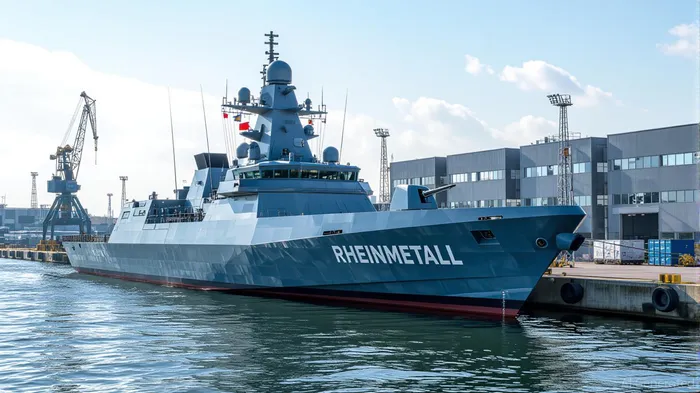
The defense industry is undergoing a seismic shift driven by geopolitical volatility and strategic realignments in Europe. At the forefront of this transformation is Rheinmetall AG, a German industrial giant that has positioned itself as a key player in the naval systems market. By acquiring Naval Vessels Lürssen (NVL), the military division of the Lürssen Group, Rheinmetall is not only diversifying its portfolio but also capitalizing on a broader trend of sector consolidation and surging defense budgets. For investors, this move raises critical questions about the long-term viability of defense contractors leveraging geopolitical momentum to scale operations.
Strategic Acquisition and Market Positioning
Rheinmetall's acquisition of NVL—a €1 billion-a-year shipbuilder with four German shipyards and a global workforce of 2,100—marks a pivotal step in its naval expansion[3]. This deal, expected to close in early 2026 pending regulatory approval, aligns with the company's ambition to dominate the European naval defense sector. NVL's expertise in constructing corvettes, frigates, and submarines complements Rheinmetall's existing capabilities in armor and artillery, creating a vertically integrated defense ecosystem.
The acquisition also reflects a broader industry-wide consolidation. As noted by Bloomberg, Germany's naval sector is witnessing a “race to scale,” with competitors like Thyssenkrupp's TKMS division preparing to spin off its shipbuilding operations. Rheinmetall's move positions it to capture market share in a sector where demand is being driven by NATO's push for enhanced maritime security amid Russia's invasion of Ukraine and rising tensions in the Indo-Pacific[3].
Geopolitical Tailwinds and Revenue Growth
Europe's defense spending surge is a critical catalyst. In 2024, Rheinmetall reported total revenue of €9.8 billion, with its defense segment contributing €7.6 billion—a 50% year-over-year increase. This growth is directly tied to the European Union's commitment to defense self-reliance, exemplified by initiatives like the European Defense Fund and national budget increases (e.g., Germany's €100 billion defense package).
Rheinmetall's CEO, Armin Papperger, has further signaled intent to leverage industrial infrastructure for cost efficiency. Discussions to repurpose the Volkswagen plant in Osnabrück highlight the company's strategy to reduce production costs while scaling output—a critical advantage in a sector where rapid deployment of capabilities is paramount.
Long-Term Investment Potential
For investors, Rheinmetall's expansion into naval systems underscores the attractiveness of defense contractors that align with geopolitical trends. The company's target of €5 billion in naval segment sales by 2026[3] suggests a high-growth trajectory, supported by:
1. Sector Consolidation: By acquiring NVL, Rheinmetall reduces competition and secures a dominant position in a fragmented market.
2. Regulatory Tailwinds: European governments are increasingly prioritizing domestic defense production, offering subsidies and regulatory support to local firms.
3. Diversification: Naval systems diversify Rheinmetall's exposure beyond land-based defense, insulating it from sector-specific risks.
Risks and Considerations
While the strategic rationale is compelling, investors must remain cautious. Regulatory hurdles for the NVL acquisition could delay integration, and antitrust scrutiny in the EU may necessitate asset divestitures. Additionally, the defense sector's reliance on government contracts introduces political risk, though Rheinmetall's alignment with NATO priorities mitigates this to an extent.
Conclusion
Rheinmetall's naval expansion is a masterclass in leveraging geopolitical momentum and sector consolidation. By acquiring NVL and repurposing industrial assets, the company is not only future-proofing its operations but also positioning itself as a cornerstone of Europe's defense industrial base. For investors seeking exposure to the defense sector's next phase of growth, Rheinmetall's strategic bets offer a compelling case—provided they are willing to navigate the regulatory and geopolitical complexities inherent in the industry.







Comentarios
Aún no hay comentarios