
Rheinmetall's Ammunition Plant in Latvia: A Strategic Play in the European Defense Boom
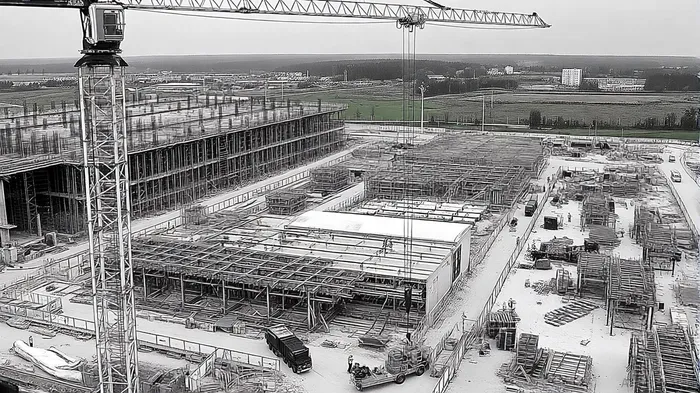
The European defense sector is undergoing a seismic shift, driven by geopolitical tensions, supply chain vulnerabilities, and the urgent need to counter Russian aggression. At the heart of this transformation is Germany's Rheinmetall AG, which has positioned itself as a pivotal player in reshaping the continent's military industrial base. The company's recent €275 million joint venture with Latvia's State Defence Corporation to build a 155 mm artillery shell production plant underscores its strategic vision—and the broader implications for Northern Europe's defense landscape.
Geopolitical Catalysts and Strategic Rationale
Latvia's decision to partner with Rheinmetall is not merely a local initiative but a calculated response to regional and global security dynamics. According to a report by Reuters, the plant—expected to begin operations in late 2027—will produce tens of thousands of artillery shells annually, addressing a critical shortfall in European production capacity for large-caliber ammunition[1]. This aligns with NATO's push for self-sufficiency, particularly after the war in Ukraine exposed vulnerabilities in Western supply chains[2].
The Baltic states, including Latvia, have become focal points for this defense renaissance. As stated by Latvia's Ministry of Defense, the project strengthens national security while integrating the country into international supply chains, a move that enhances its geopolitical credibility[3]. Rheinmetall's 51% stake in the venture also reflects its ambition to dominate key markets in Eastern Europe, a strategy mirrored by its €180 million plant in Lithuania[2].
Financial Architecture and EU Support
The financial structure of the Latvia-Rheinmetall partnership is equally telling. With Rheinmetall and the Latvian state each holding 51% and 49% shares, the model avoids direct competition with existing private defense firms while leveraging public-private collaboration[2]. This mirrors similar EU-funded initiatives, such as the €130 million ASAP program, which recently allocated funds to Rheinmetall to scale 155 mm shell production for Ukraine[5].
The project's funding also highlights the EU's role in catalyzing defense industrial growth. While Latvia's state-owned “Rollo” project—a €67 million factory led by a Franco-Italian-Finnish-Norwegian consortium—receives EU grants[2], Rheinmetall's venture relies on a mix of private equity and state support. This hybrid approach ensures scalability without overburdening national budgets, a critical factor as European governments balance defense spending with economic constraints.
Strategic Implications for the Defense Sector
Rheinmetall's expansion into Latvia is part of a broader redefinition of its corporate strategy. As analyzed in Defence Finance Monitor, the company is pivoting toward integrated European defense ecosystems, emphasizing cross-border partnerships and long-range precision systems[3]. The Latvia plant not only secures a foothold in the Baltics but also positions Rheinmetall to capitalize on NATO's €100 billion annual defense spending increase over the next decade[4].
For investors, the project's success hinges on three factors:
1. Geopolitical Stability: Continued tensions with Russia will sustain demand for artillery and ammunition.
2. EU Policy Alignment: Future funding from programs like ASAP or the European Peace Facility could accelerate production timelines.
3. Operational Efficiency: The plant's modular design, capable of producing 50,000 shells annually[2], must meet NATO standards to attract contracts beyond Latvia.
Conclusion: A Model for Future Defense Investments
Rheinmetall's Latvia venture exemplifies the new paradigm in European defense: a blend of private-sector innovation, state-backed infrastructure, and geopolitical pragmatism. By anchoring its production in a NATO frontline state, the company not only secures long-term contracts but also reinforces European defense sovereignty—a priority for both the EU and its member states. For investors, this project signals a shift toward localized, resilient supply chains, where strategic location and political alignment are as critical as technological prowess.
As the plant nears construction in spring 2026, the defense sector will be watching closely. The success of this venture could set a precedent for similar partnerships across Eastern Europe, further cementing Rheinmetall's role in the continent's security architecture—and its profitability in the process.







Comentarios
Aún no hay comentarios